
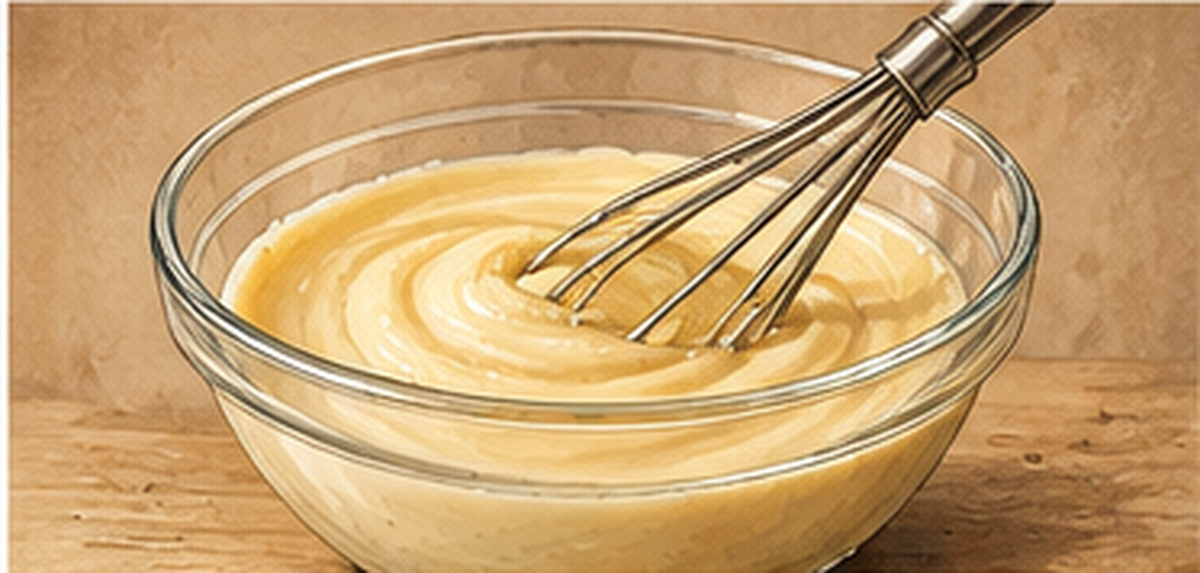
Cold process soap can sometimes go from fluid and manageable to unexpectedly thick. Two important causes discussed are over-blending and fragrance.
If the soap is blended more than necessary, you can lose the fluidity needed for pouring and decorative work. Some essential oils and fragrance oils can accelerate the change dramatically, with floral essential oils being particularly challenging for beginners.
Thick soap is not necessarily failed soap
This is the most important distinction.
If the formulation is otherwise correct, a batch that has become too thick can still become usable soap. What you may have lost is the design you intended to create.
That is why I separate aesthetic failure from formulation failure. A soap that will not form a delicate swirl is not automatically an unsafe or unusable soap.
Why beginners experience this more often
An experienced maker may already know that a particular fragrance will thicken the soap and can plan a simpler design or work more quickly. A beginner may expect the slow, manageable behaviour seen with another scent and be caught by surprise.
The practical response is not to begin with the most difficult fragrance and the most complicated design at the same time. Learn the normal behaviour of the soap first.
Preparation matters
When working with a fragrance known to act quickly, everything needed for the design should already be close at hand. The mold, colours and other materials should not become things you start looking for after the soap has begun thickening. The broader lesson is that the behaviour of cold process soap is affected not only by the base oils but also by what you add to it. When a batch suddenly becomes thick, ask what was blended, how much it was worked, and what fragrance was introduced before assuming the formulation itself has failed.