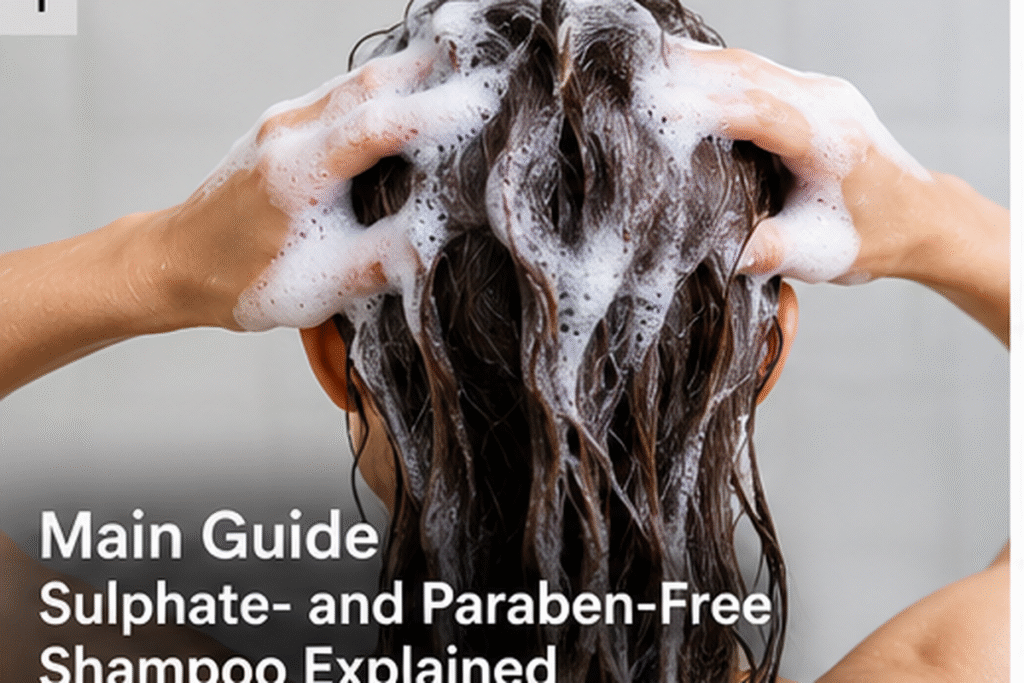
Shampoo bars are concentrated solid shampoos designed to cleanse the hair and scalp without the same liquid format used in conventional bottled shampoo.
Although they may look similar to soap bars, shampoo bars can be designed very differently in terms of cleansing system, pH, ingredients and how they behave on the hair.
This learning hub brings together the most important questions about shampoo bars, including how they compare with liquid shampoo, why they can last longer, how pH affects the product, why herbs and clays work well in solid bars, and how shampoo bars can be adapted for different hair and scalp types.
Shampoo Bar vs Liquid Shampoo: What’s the Difference?
Both shampoo bars and liquid shampoos cleanse the hair, but their physical formats are very different.
A shampoo bar is a concentrated solid product, while liquid shampoo already contains a significant water portion. This difference affects usage, longevity, packaging and the types of powdered ingredients that can be incorporated.
Read: Shampoo Bar vs Liquid Shampoo: What’s the Difference?
Why Do Shampoo Bars Last Longer Than Liquid Shampoo?
One of the main advantages of shampoo bars is that they are concentrated.
Only a small amount of the bar transfers to wet hair during each wash, so the bar gradually becomes smaller rather than being dispensed in larger visible quantities like liquid shampoo.
How the bar is stored between washes also matters.
Read: Why Do Shampoo Bars Last Longer Than Liquid Shampoo?
Shampoo Bar vs Soap Bar: What’s the Difference?
Shampoo bars and soap bars can look almost identical, especially when both are made in similar molds.
The important distinction is not the shape of the bar but the cleansing system and pH it is designed around.
A surfactant-based shampoo bar is intended specifically for cleansing the hair and is different from an ordinary soap-type bar.
Read: Shampoo Bar vs Soap Bar: What’s the Difference?
Why Does pH Matter in a Shampoo Bar?
pH is an important part of how a shampoo bar is designed.
The shampoo bars discussed in this learning series are based around the pH range taught as desirable for shampoo, while soap-type solid cleansers may have a higher pH.
Two bars can therefore look very similar while behaving differently on the hair.
Read: Why Does pH Matter in a Shampoo Bar?
Why Are Herbal Powders Easier to Use in Shampoo Bars Than Liquid Shampoo?
Powdered herbs can be difficult to keep evenly distributed in liquid shampoo because they may settle at the bottom of the bottle.
A solid shampoo bar provides a structure that can hold powdered ingredients throughout the bar.
This makes the format useful for herbal ingredients such as neem, reetha and shikakai, as well as different types of clay.
Read: Why Are Herbal Powders Easier to Use in Shampoo Bars Than Liquid Shampoo?
Can Shampoo Bars Be Used for Oily Scalp?
Yes. Shampoo bars can be adapted for oily-scalp concepts.
One advantage of the solid format is that ingredients such as clay and activated charcoal can be incorporated more easily than in a liquid shampoo where powders may settle.
The conditioning richness of the bar can also be considered according to the scalp type.
Read: Can Shampoo Bars Be Used for Oily Scalp?
Do Shampoo Bars Dry Out the Hair?
A shampoo bar is concentrated, but that does not mean the whole concentrated bar is applied to the hair at once.
Only a small quantity transfers during washing.
At the same time, the job of any shampoo is to remove dirt, grease and oil. This means naturally dry or frizzy hair may still feel dry after cleansing and may benefit from conditioning.
Read: Do Shampoo Bars Dry Out the Hair?
Why Should Dry or Frizzy Hair Use Conditioner After a Shampoo Bar?
Shampoo and conditioner perform different jobs.
The shampoo cleanses the hair and scalp, while conditioner provides the follow-up conditioning and smoothing step.
Dry, rough, curly or frizzy hair may therefore still need conditioner after using a shampoo bar, just as it may after using liquid shampoo.
Read: Why Should Dry or Frizzy Hair Use Conditioner After a Shampoo Bar?
SCI vs SLSA vs SLS: What’s the Difference in Shampoo Bars?
SCI, SLSA and SLS may sound similar, but they should not be treated as the same ingredient.
SCI and SLSA are discussed as mild shampoo-bar surfactants that contribute cleansing and lather, while SLS is distinguished separately.
Understanding the complete ingredient names is particularly important because SLSA and SLS are easy to confuse.
Read: SCI vs SLSA vs SLS: What’s the Difference in Shampoo Bars?
Understanding Shampoo Bars as a Complete Hair-Care Product
A good shampoo bar is not simply liquid shampoo that has been made solid.
Its concentrated structure changes how the product is used, how long it can last and what kinds of ingredients can be incorporated.
The solid format can make it easier to work with herbal powders and clays, reduce dependence on liquid bottles and make the product convenient for travel.
At the same time, the shampoo still has to perform its primary role: cleansing the hair and scalp.
Hair type also matters.
Someone with an oily scalp may want a different balance from somebody with dry, curly or frizzy hair. Conditioner may still be necessary after cleansing, especially when the hair naturally tends toward dryness or roughness.
The useful way to understand shampoo bars is therefore not simply as an alternative shape for shampoo, but as a different product format with its own advantages, ingredient possibilities and practical considerations.
Learn Shampoo Bar Formulation
For structured training on shampoo bars, including formulation principles, ingredient functions and practical demonstrations, explore the complete ZestChest Shampoo Bars Course.