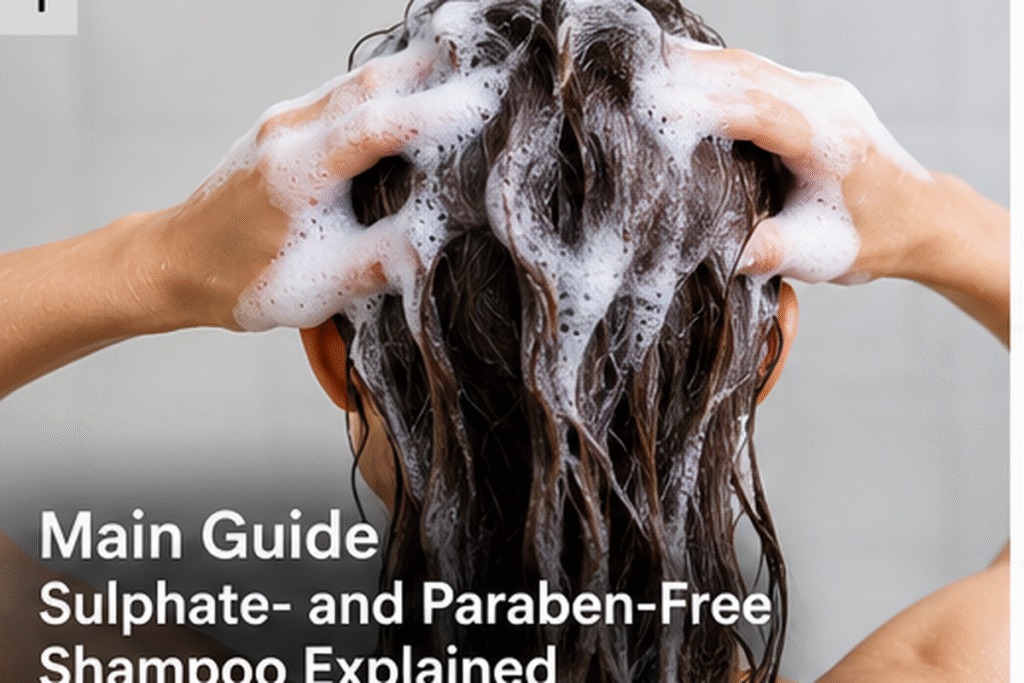
Oils, butters and other greasy materials can interfere with the lathering experience of a shampoo. As more moisturizing or softening material is introduced, the product may become creamier or feel more conditioning while producing less dramatic foam.
Why this matters
Shampoo formulation is a balancing exercise. Several desirable properties have to coexist: cleansing, lather, texture, stability, rinsing and the way the hair feels during and after washing.
Improving one characteristic can change another. Adding something oily may improve softness or the creamy feel of the shampoo but reduce its foam.
Does less foam mean the shampoo is worse?
No. Foam and cleansing are not identical.
Consumers often use lather as a visual signal of cleaning power, but a shampoo can cleanse without producing enormous amounts of foam. A reduction in lather after adding oily or buttery materials therefore does not automatically mean that the shampoo has become ineffective.
Why natural oils are especially interesting in a rinse-off product
Natural oils and butters can contribute softness, but shampoo is designed to wash material away. They may soften the hair while the shampoo is being used and then largely rinse away.
This is one reason a shampoo cannot simply be loaded with oils and expected to behave simultaneously like a powerful cleanser and a rich conditioner.
The practical takeaway
When comparing shampoos, do not assume that the one with the biggest lather is necessarily better. A creamier, more moisturizing shampoo may deliberately strike a different balance between foam and feel.
Related Sulphate Free Paraben Free Shampoo guides
→ Does More Lather Mean a Shampoo Cleans Better?
→ Natural Oils vs Silicones in Shampoo: What’s the Difference?
For a broader look at oils, lather, surfactants and conditioning ingredients, read our complete guide to sulphate-free and paraben-free shampoo.