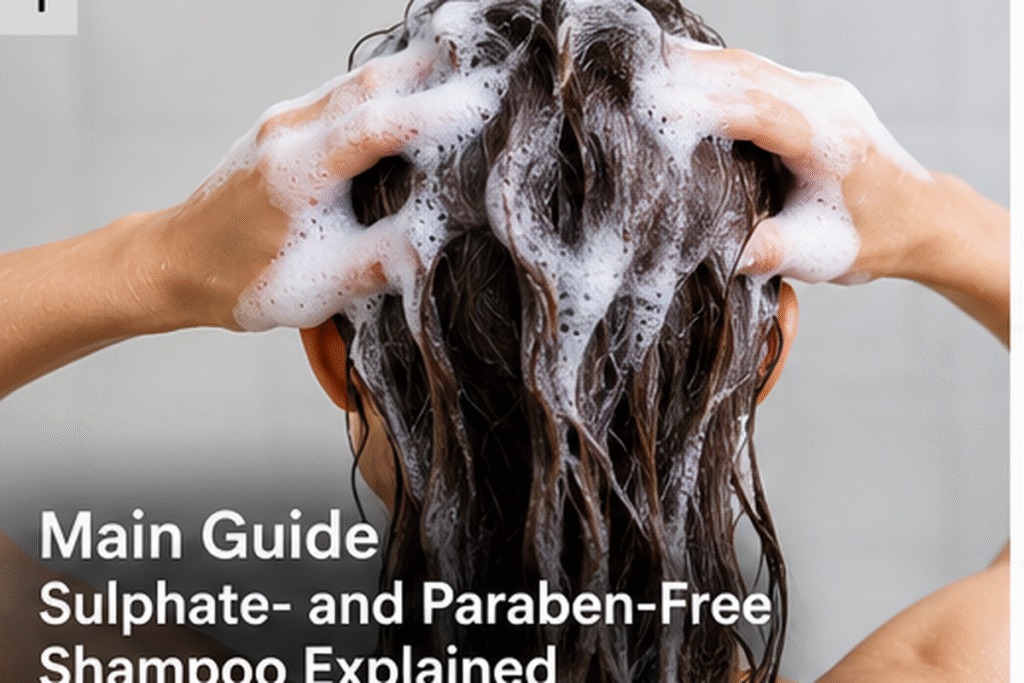
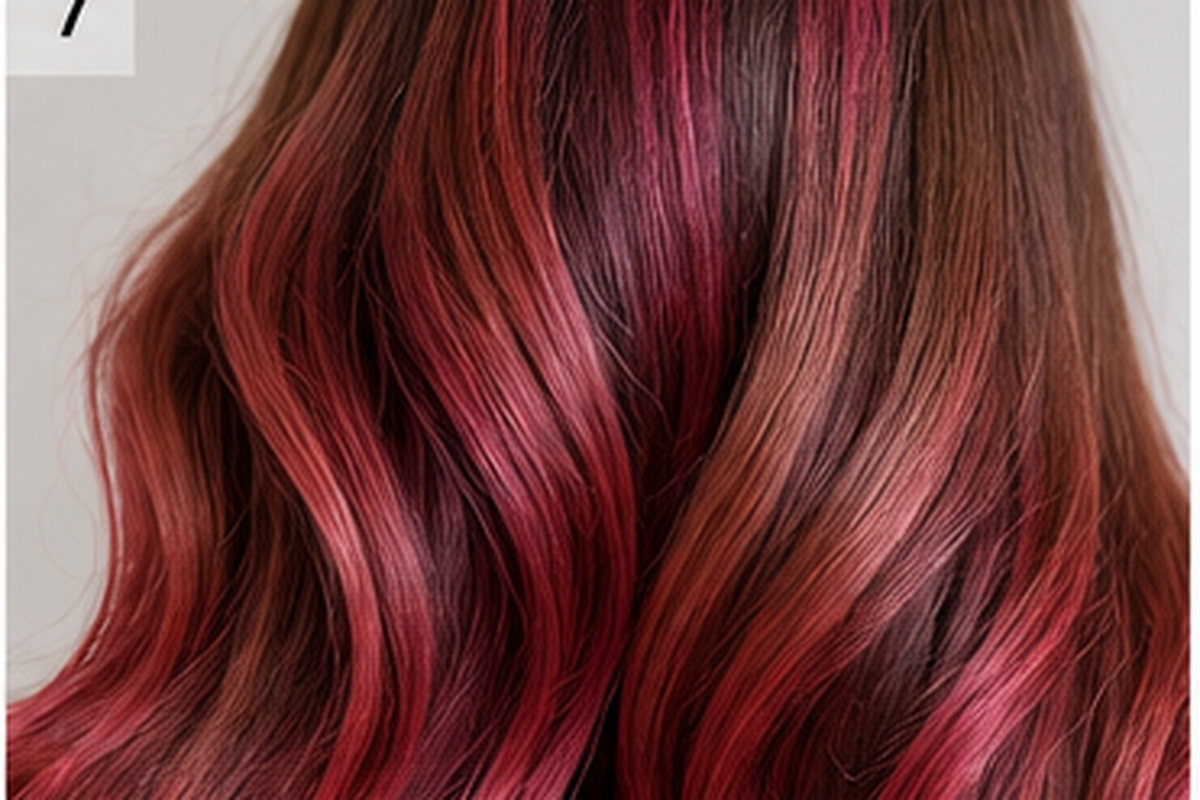
The sulphate-free shampoos discussed in the workshop were presented as suitable for fashion-coloured and highlighted hair because they avoid the stronger sulphate cleansing system associated there with faster stripping of colour.
Why cleansing strength matters
A shampoo’s fundamental job is to cleanse, but more cleansing is not automatically better cleansing in every situation.
SLS and SLES were discussed as very strong cleansers. Sulphate-free shampoos can instead use milder surfactants to perform the cleansing job. When preservation of hair colour is part of the objective, avoiding unnecessarily strong cleansing becomes particularly relevant.
Sulphate-free is still shampoo
It is important not to misunderstand the term. Sulphate-free does not mean that the shampoo contains no surfactants or does not cleanse. The product still needs a cleansing system capable of removing dirt, grease and oil so that they can be rinsed away.
The difference lies in the type and intensity of cleansing system used.
Colour is only one part of choosing shampoo
Colour-treated hair may also be dull, dehydrated, damaged, prone to breakage or frizzy. Those concerns can point toward different shampoo characteristics.
The broader principle is to choose shampoo around the actual condition of the hair rather than relying on one marketing term alone.
Takeaway
For coloured or highlighted hair, the workshop approach favoured sulphate-free cleansing because it avoids the stronger sulphate system associated there with faster colour stripping. The aim is not to stop cleansing, but to cleanse without unnecessary intensity.
Related Sulphate Free Paraben Free Shampoo guides
→ What Does Sulphate-Free Shampoo Actually Mean?
→ How Do You Choose the Right Shampoo for Your Hair Concern?
For a broader look at gentle cleansing, surfactants and choosing shampoo for different hair needs, read our complete guide to sulphate-free and paraben-free shampoo.