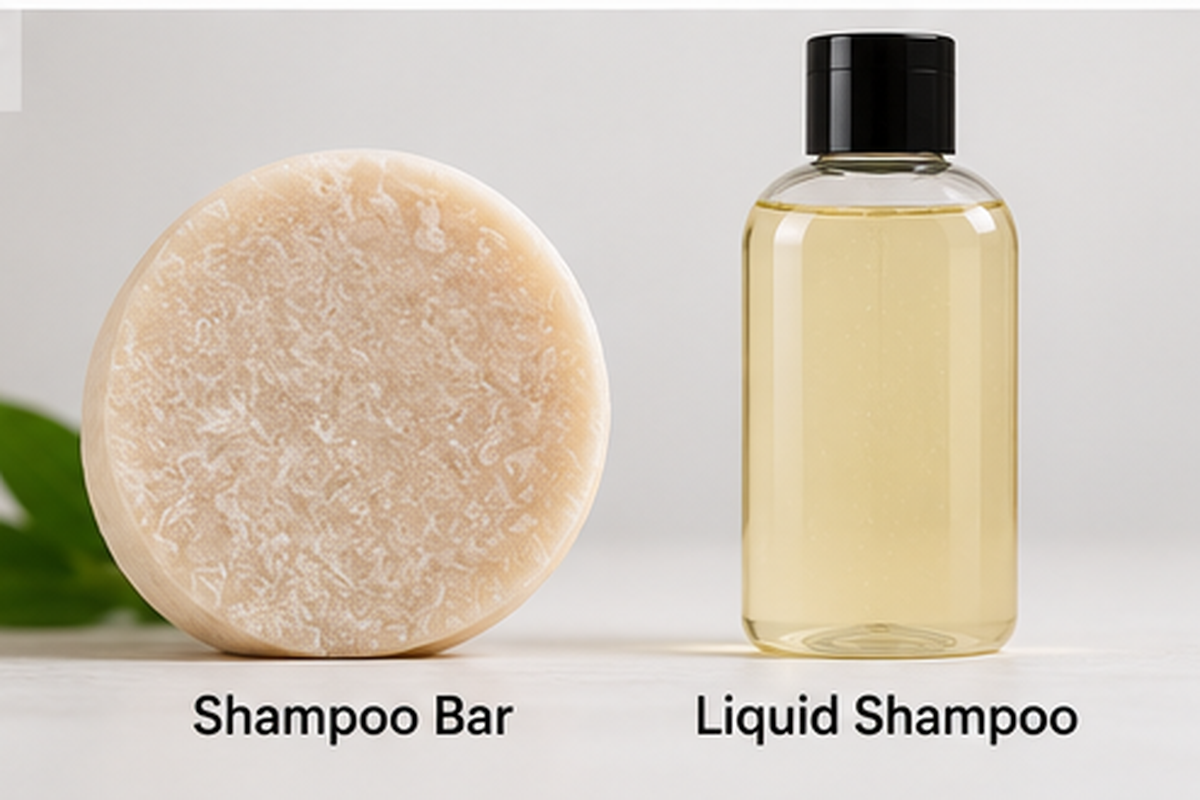
Both liquid shampoos and shampoo bars can be designed to cleanse hair and address similar hair concerns. The main distinction discussed in the workshop was format rather than a rule that one form is for one hair type and the other for another.
Why shampoo bars are interesting
The strongest argument made for shampoo bars was environmental. A water less shampoo bar can reduce dependence on plastic bottles.
That makes the format particularly interesting when packaging reduction is part of the objective.
Consumer habit is a major difference
One obstacle is simply what people are accustomed to. Consumers commonly expect shampoo to come from a bottle and associate bars with body cleansing.
Changing the format therefore also means changing a familiar usage habit.
Can bars address the same hair concerns?
From the cleansing perspective discussed in the workshop, both liquid and solid formats can be designed around similar concerns. The format itself does not create a simple division such as “this hair type needs liquid shampoo” and “that hair type needs a bar.”
Not every solid hair cleanser is the same
An important distinction was made between surfactant-based shampoo bars and cold-process soap-style bars. They should not automatically be treated as the same product merely because both are solid.
The way a product looks or the fact that it comes in a bar does not tell you everything about the cleansing system behind it.
Takeaway
The most useful way to compare liquid shampoo and shampoo bars is to separate format from function. Both can cleanse; the bar offers a water less format with potential packaging advantages, while the liquid format matches the usage habit most consumers already know.
Related Sulphate Free Paraben Free Shampoo guides
→ How Do You Choose the Right Shampoo for Your Hair Concern?
→ What Does Sulphate-Free Shampoo Actually Mean?
For a broader look at cleansing systems, ingredients, lather, texture and different shampoo formats, read our complete guide to sulphate-free and paraben-free shampoo.