
Liquid Castile Soap
Liquid Castile soap is an oil-based liquid soap that can be adapted for very different purposes—from face, body and hand cleansing to laundry, dishes and household cleaning.
But not every liquid Castile soap behaves the same way. The oils used can change its cleansing strength, lather, thickness and feel, while dilution and other formulation choices affect how the finished soap looks, feels and is stored.
This learning collection brings together our main guide and focused articles to help you understand why different liquid Castile soaps behave differently and how their properties relate to the way they are used.
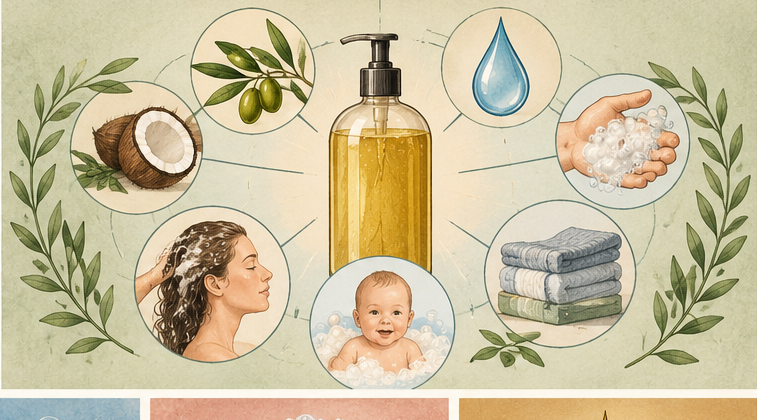
If you are new to liquid Castile soap, begin with our main guide. It brings together the key principles behind oils, cleansing, lather, thickness, skin feel and the different ways Castile soap can be used.
Understand Oils, Lather and Consistency
The oil used to make liquid Castile soap has a major influence on the finished product. Different oils can produce very different cleansing strength, lather and thickness—and these properties should not be confused with one another.

Olive Oil vs Coconut Oil in Liquid Castile Soap: What Is the Difference?
Olive oil and coconut oil produce very different liquid soaps. Compare their cleansing, lather and thickness, and understand why each can be better suited to different uses.
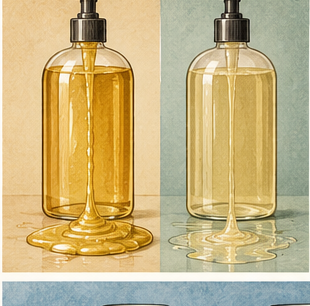
Why Is Some Liquid Castile Soap Thick While Other Castile Soap Is Thin?
A thin liquid soap is not necessarily weak, and a thick soap is not necessarily more powerful. Learn why different oils can produce dramatically different consistencies.

Does More Lather Mean a Liquid Castile Soap Cleans Better?
Lots of bubbles can make a cleanser feel more effective, but lather and cleansing are not the same thing. Explore why different Castile soaps produce different amounts of foam and why more lather is not always desirable.
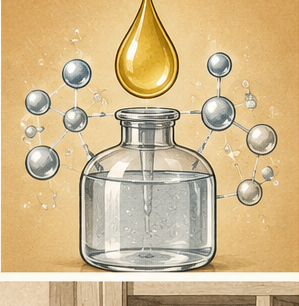
Why Is Glycerin Used in Liquid Castile Soap?
Glycerin can affect both the feel and consistency of liquid Castile soap. Learn why it is used, how it differs from simply diluting with water, and why more glycerin does not necessarily mean more lather.
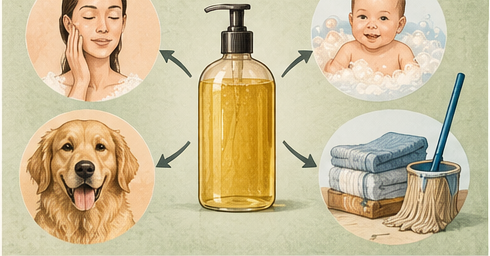
Can You Use the Same Liquid Castile Soap for Skin, Babies, Pets and Household Cleaning?
Castile soap can be used for everything from personal cleansing to pet washing and household cleaning. Learn why the oils and cleansing strength should still be chosen according to the intended use.
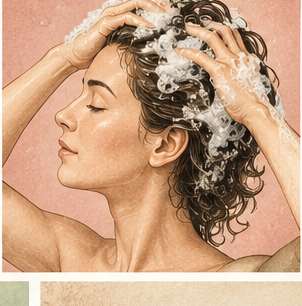
Can Liquid Castile Soap Be Used as Shampoo?
Liquid Castile soap can clean hair, but that does not mean it will behave or feel like a conventional shampoo. Learn why its alkaline nature matters and what you may notice when using it on hair.
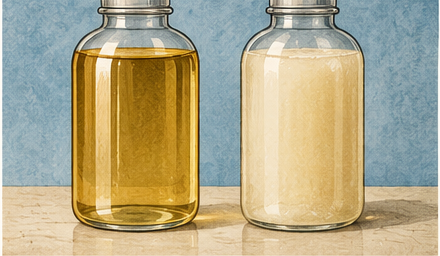
Why Does Liquid Castile Soap Look Cloudy Instead of Clear?
Liquid Castile soap can sometimes look cloudy even when you expected a clear product. Learn how mixing, trapped bubbles, resting time and essential oils can affect its appearance.
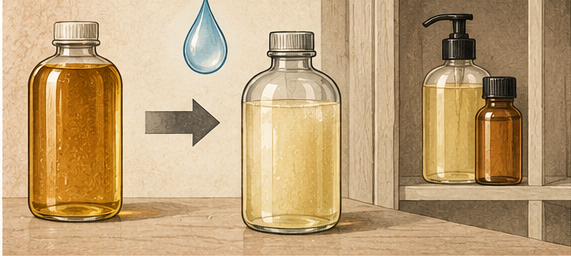
Why Does Adding Water Change the Storage Needs of Liquid Castile Soap?
Concentrated Castile soap and Castile soap diluted with water do not have the same storage considerations. Learn why adding water changes the preservation question, particularly when a finished product will be stored for longer or sold.
Want to Learn How to Make Liquid Castile Soap?
The articles in this learning hub are designed to help you understand the principles behind liquid Castile soap—how different oils affect cleansing, lather and thickness, why soaps behave differently, and how the intended use influences the type of soap you may want to make.
They intentionally do not publish the complete formulations, detailed manufacturing process, preservation system or supplier information taught in the course.
If you are ready to move from understanding the principles to actually making liquid Castile soap, the Zestchest course provides structured instruction covering the formulations, practical making process and supplier details.