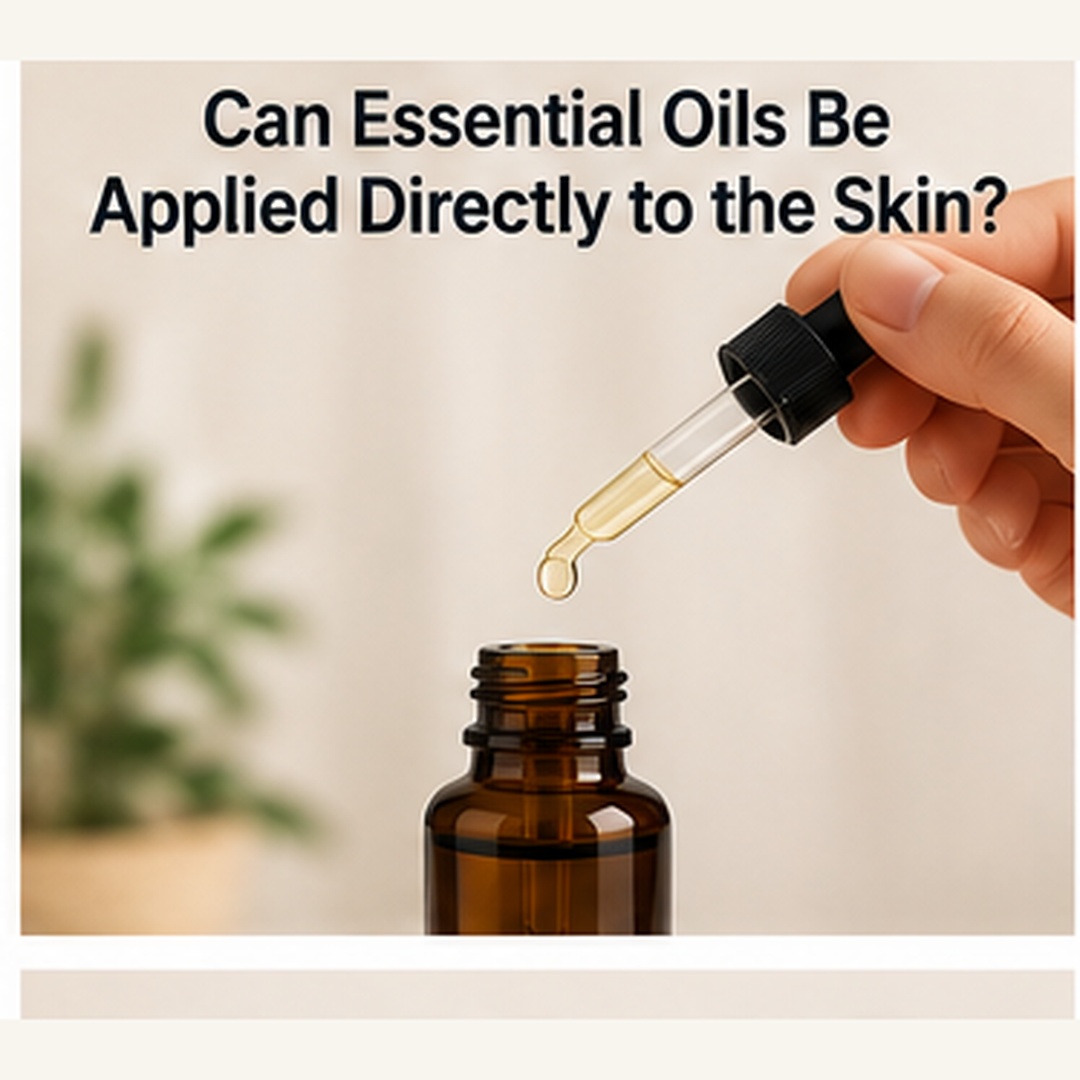
I do not recommend treating concentrated essential oils like ordinary facial or massage oils.
Essential oils are highly concentrated and are normally incorporated into a suitable carrier or another appropriate cosmetic base before being spread across the skin.
Dilution is therefore one of the most important principles in aromatherapy.
Why Does Dilution Matter?
An essential oil can have a very strong aroma even in a small amount.
That same concentration is why applying it directly to sensitive skin can result in redness, burning or irritation.
The fact that an essential oil comes from a plant does not mean concentrated use is automatically appropriate.
A Useful Way to Understand Concentration
Think about chilli.
A small amount mixed throughout food can be enjoyable.
A concentrated chilli paste used in the same quantity would feel completely different.
The ingredient itself has not changed. The concentration has.
Essential oils follow a similar principle.
When appropriately incorporated into a carrier, a small amount of essential oil can be distributed over a larger area.
What Can Be Used as a Base?
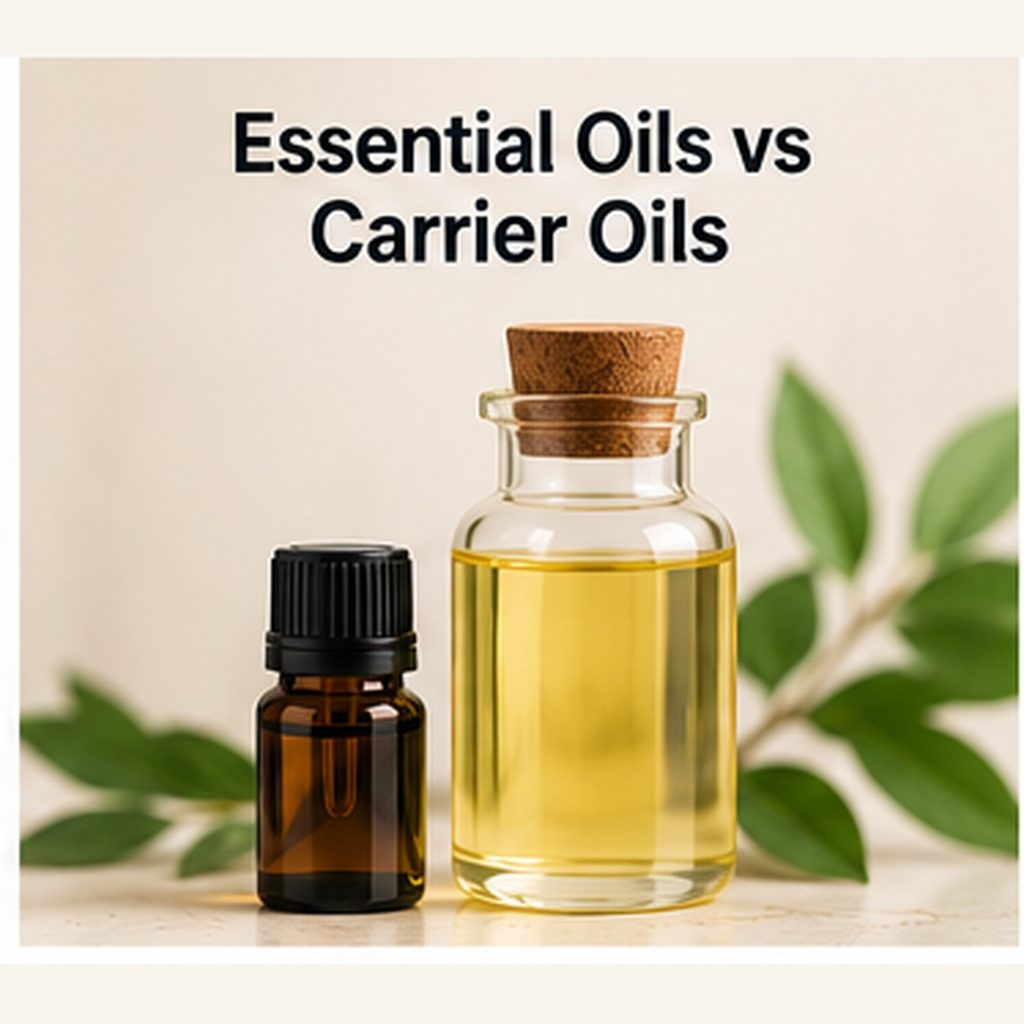
Carrier oils are the simplest example.
Options discussed include oils such as:
- sunflower;
- olive;
- almond;
- jojoba;
- argan.
But an aromatherapy product does not always have to be an oil.
Essential oils may also be incorporated into suitable products such as creams, lotions, gels, shampoos, conditioners and bath products.
The correct base depends on how and where the finished product will be used.
What About Facial Use?
Facial products need additional care because skin type matters.
For oily or acne-prone facial skin, I prefer lighter carrier choices rather than heavy oils.
The point is not simply to dilute the essential oil. The carrier itself must suit the person’s skin.
Is Stronger Better?
No.
Increasing the amount of essential oil does not automatically increase the benefit.
A product can simply become overwhelmingly fragrant or irritating.
This is especially relevant for leave-on products that remain in contact with the skin or scalp.
Should You Patch Test?
If you are unsure how your skin will respond to a new aromatherapy product, patch testing is the more cautious approach discussed in the workshop.
Individual reactions vary, and citrus oils such as lemon and orange are mentioned as ingredients that some people may find irritating when used incorrectly or too directly.
The Practical Rule
Treat essential oil as a concentrated ingredient, not as the entire finished product.
The appropriate base, the intended use and the person’s skin type all matter.
Using a smaller amount thoughtfully is very different from assuming that stronger concentration must produce a better result.