
Korean Skincare
Understand Korean skincare through the ingredients, product types and practical principles behind it. Explore hydration, exfoliation, toners, serums, skin polishes, rice-derived ingredients, snail mucin and how different products fit together in a skincare routine.
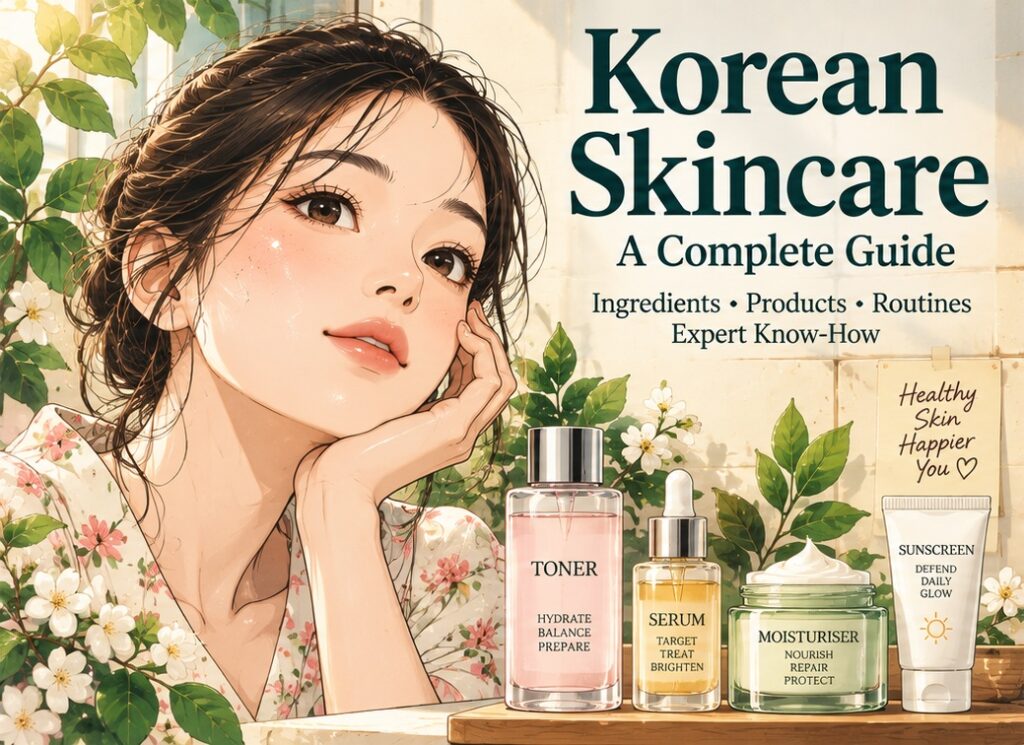
A complete introduction to Korean skincare—from hydration, exfoliation and skin texture to key ingredients such as hyaluronic acid, rice derivatives and snail mucin, plus the roles of toners, serums, creams, masks and skin polishes.
Explore Korean Skincare in Detail
Have a specific question? Explore these focused guides to Korean skincare ingredients, product types, skin feel and practical usage.
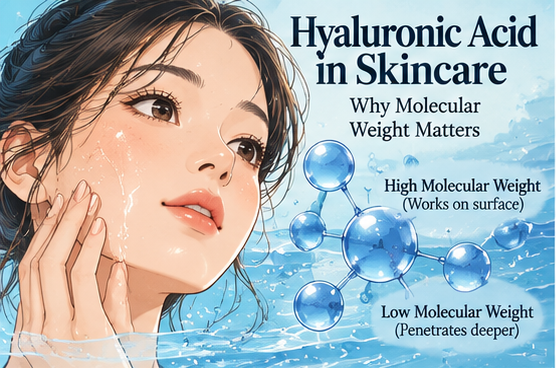
What Does Hyaluronic Acid Do in Skincare, and Why Does Molecular Weight Matter?
Understand the difference between low- and high-molecular-weight hyaluronic acid and why molecular weight matters when thinking about skin hydration.
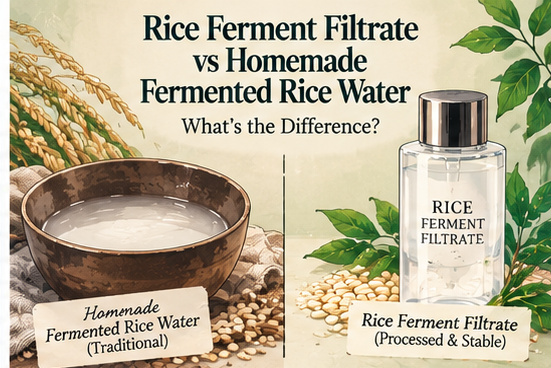
Rice Ferment Filtrate vs Homemade Fermented Rice Water: What's the Difference?
Learn why cosmetic rice ferment filtrate is different from rice water fermented at home and why different rice-derived skincare ingredients should not be treated as interchangeable.
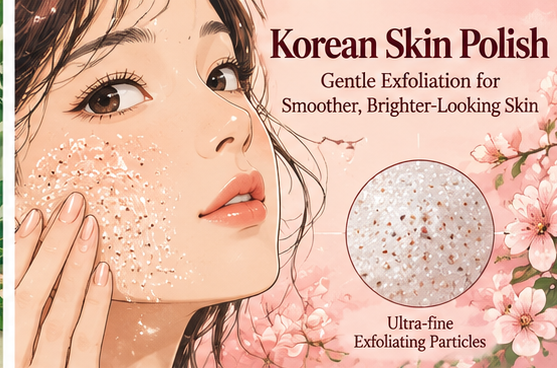
What Is a Korean Skin Polish, and How Is It Different From a Coarse Scrub?
Discover how a skin polish uses very fine exfoliating particles to smooth the skin and why the experience can be different from using a conventional coarse scrub.
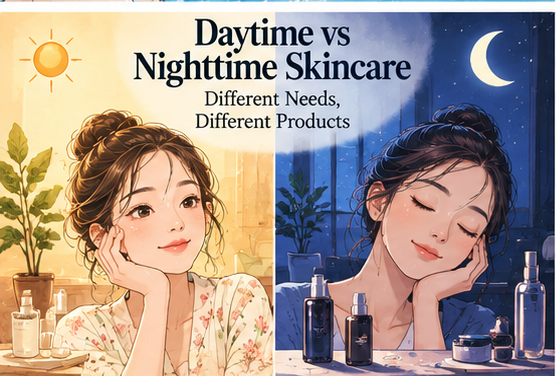
Why Are Some Korean Skincare Products Better Suited to Nighttime Use?
Understand why the ingredients inside a skincare product—not simply whether it is called a cream or serum—can determine whether it is better suited to daytime or nighttime use.
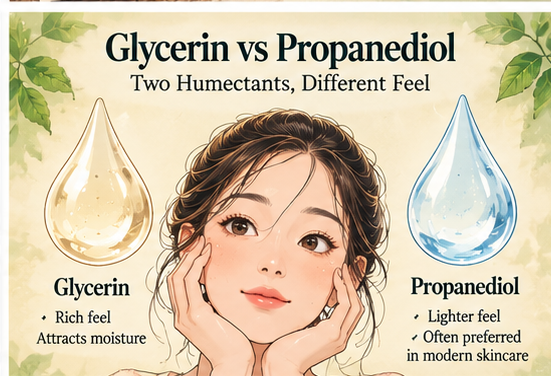
Glycerin vs Propanediol in Skincare: Why Can Glycerin Feel Sticky?
Compare two moisturizing ingredients and learn why glycerin can sometimes produce a sticky or moist skin feel while propanediol may feel lighter.
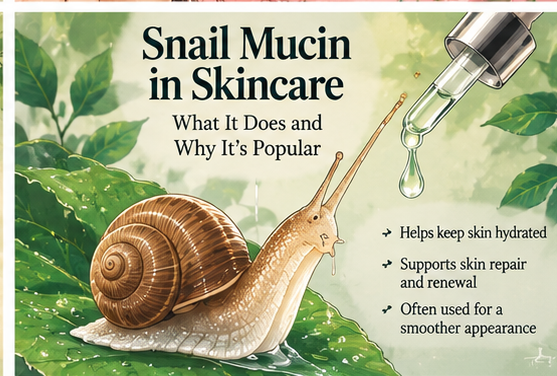
What Is Snail Mucin in Skincare, and Is It Vegan?
Learn what snail mucin is, how the cosmetic ingredient is used in skincare and why its animal origin means it is not a vegan ingredient.

Toner vs Serum in Korean Skincare: What's the Difference?
Understand how a Korean skincare tonic differs from a more concentrated serum, what each product is intended to do and where they fit into a skincare routine.
Want to Learn How to Make Korean Skincare Products?
If you want to move from understanding Korean skincare ingredients and product types to actually learning how to formulate and make the products, explore our Korean Skin Care Course.
The course takes the subject into the practical formulation and making process as well as supplier details that isn’t reproduced in these public guides.
Whether you’re making products for yourself or developing a range to sell, the course is designed to help you move from understanding the formulation to creating finished, market-ready products.