
Kumkumadi Oil
Kumkumadi oil is a traditional Ayurvedic herbal oil built around saffron together with a wider group of herbs and supporting ingredients. It is used for concerns including pigmentation, tanning, dark circles, acne marks, dryness and signs associated with aging skin.
This learning hub brings together our guides to Kumkumadi oil—what it is, how it differs from simple saffron-infused oil, its uses for different skin concerns, how to use it on the face, and how characteristics such as clarity, ingredients and preparation can help you understand the oil you are buying.
Start with our complete guide if you are new to Kumkumadi oil. It covers its key ingredients and their roles, pigmentation and acne-prone skin, dry skin, facial use, traditional Kumkumadi oil versus simple saffron-infused oil, and practical considerations when choosing and using the oil.
Explore Kumkumadi Oil Guides
Have a specific question? Explore our focused guides to Kumkumadi oil and saffron oil, pigmentation and tanning, acne-prone and dry skin, facial application, traditional preparation, clarity and the reasons traditional Kumkumadi oil can be expensive.
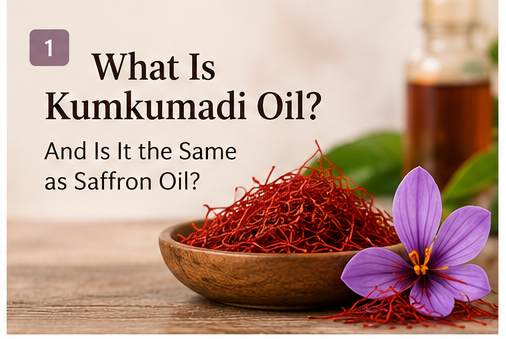
What Is Kumkumadi Oil, and Is It the Same as Saffron Oil?
Kumkumadi oil is strongly associated with saffron, but traditional Kumkumadi oil is more than saffron infused into a carrier oil. Learn what distinguishes the two and why that difference matters.
Why Is Kumkumadi Oil Used for Pigmentation, Tanning and Dark Circles?
Explore why Kumkumadi oil is used for pigmentation-related concerns including tanning, dark circles, freckles and acne marks, and why its brightening role is not attributed to saffron alone.

Can You Use Kumkumadi Oil on Acne-Prone Skin?
Using an oil on acne-prone skin can sound contradictory. Learn why Kumkumadi oil is used for acne, excess sebum, inflammation and acne marks, along with practical considerations when using it.
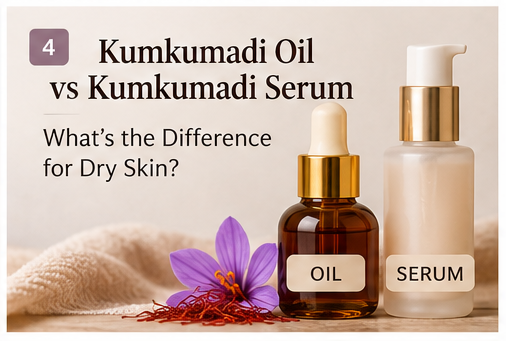
Kumkumadi Oil vs Kumkumadi Serum: What's the Difference for Dry Skin?
Kumkumadi oil and a water-based Kumkumadi serum are not the same type of skincare product. Learn why this distinction matters particularly for dry skin.
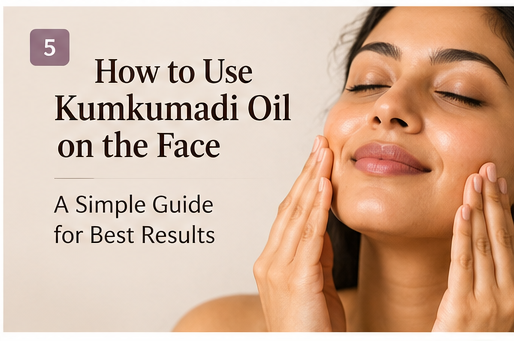
How Should You Use Kumkumadi Oil on the Face?
Learn how much Kumkumadi oil to use, how to apply it directly, how to layer it after a water-based serum, and how it can be combined with a cream or gel.
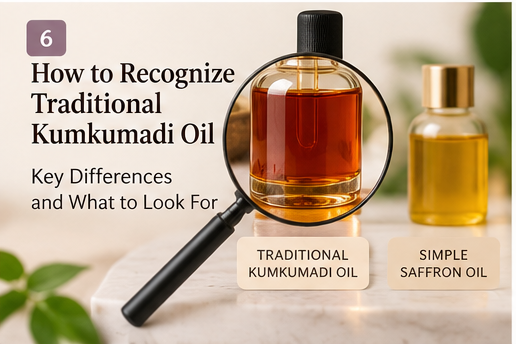
How Can You Tell Traditional Kumkumadi Oil From a Simple Saffron-Infused Oil?
Traditional Kumkumadi oil is a broader preparation than a simple saffron-infused carrier oil. Explore some of the practical differences in composition, appearance, natural aroma and preparation.
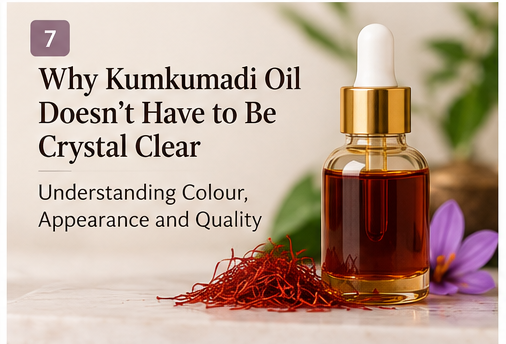
Why Doesn't Traditional Kumkumadi Oil Have to Be Crystal Clear?
A perfectly clear appearance should not automatically be treated as a sign of greater authenticity. Learn why traditional multi-herb Kumkumadi oil may retain slight turbidity after filtration.
Why Can Traditional Kumkumadi Oil Be Expensive?
Saffron is only part of the explanation. Learn how raw materials, time, labour and the more involved traditional preparation can contribute to the cost of Kumkumadi oil.
Learn to Make Kumkumadi Oil
These public guides are designed to help you understand Kumkumadi oil, its ingredients, uses, product characteristics and practical principles without reproducing the complete formulation or manufacturing process.
If you want to move from understanding these principles to learning the practical making process, explore the Kumkumadi Oil Making Course.
The course takes the subject into the practical formulation and making process that isn’t reproduced in these public guides.