
Learn Shat Dhota Ghrita
Shat Dhota Ghrita, also known as 100 Times Washed Ghee, is a traditional preparation in which ghee is repeatedly worked with water until its original oily and grainy texture becomes softer, smoother, lighter and more cream-like.
This learning hub brings together our Shat Dhota Ghrita guides in one place.
Whether you want to understand why the ghee is washed, why copper is traditionally used, whether A2 ghee is necessary, how good washed ghrita should feel or how traditional ghrita differs from a stabilized cream, you can explore each topic below.
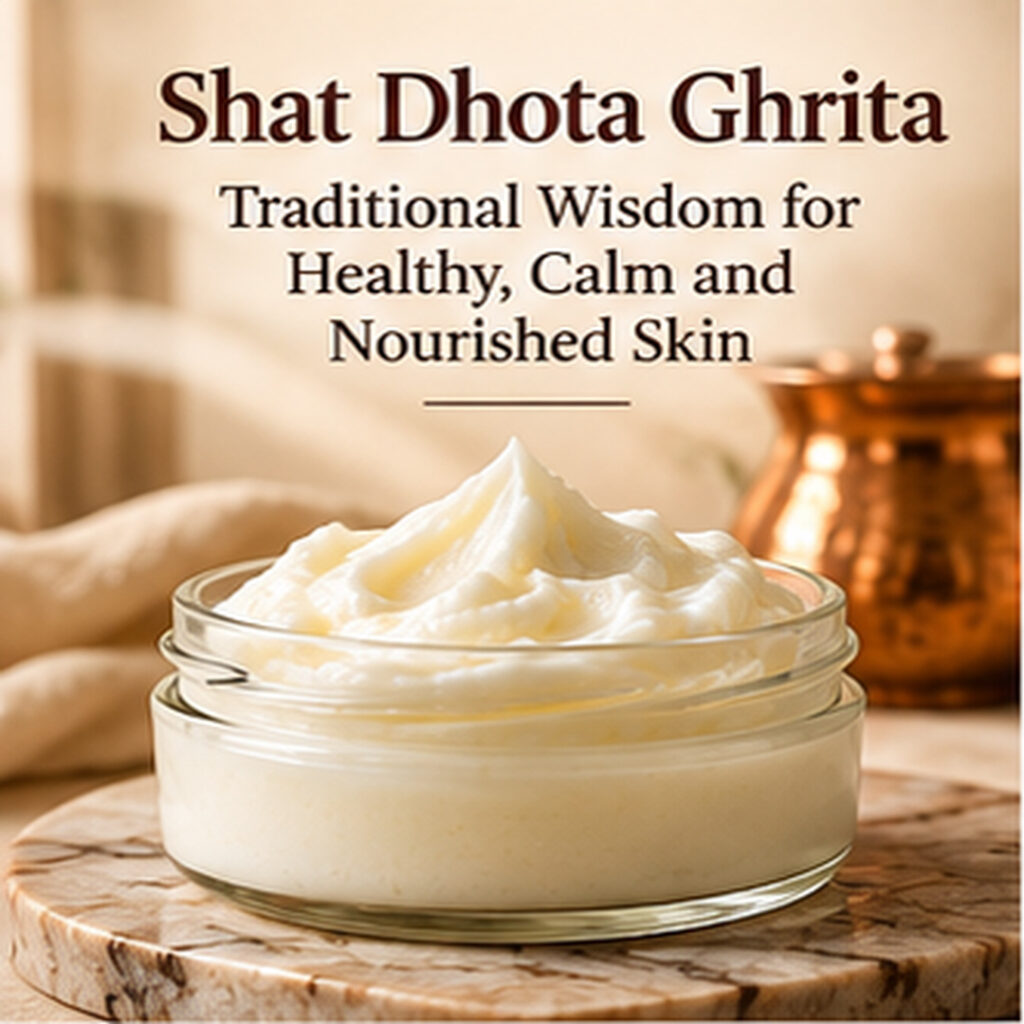
If you are new to Shat Dhota Ghrita, begin by understanding how it differs from ordinary ghee.
Regular ghee can feel oily, heavy and grainy, while repeated washing and physical working create the softer, fluffier and more cream-like character associated with Shat Dhota Ghrita.
Understand What Ghee Cream
Before comparing products or choosing a texture, it helps to understand what the term “Shat Dhota Ghrita” actually means.
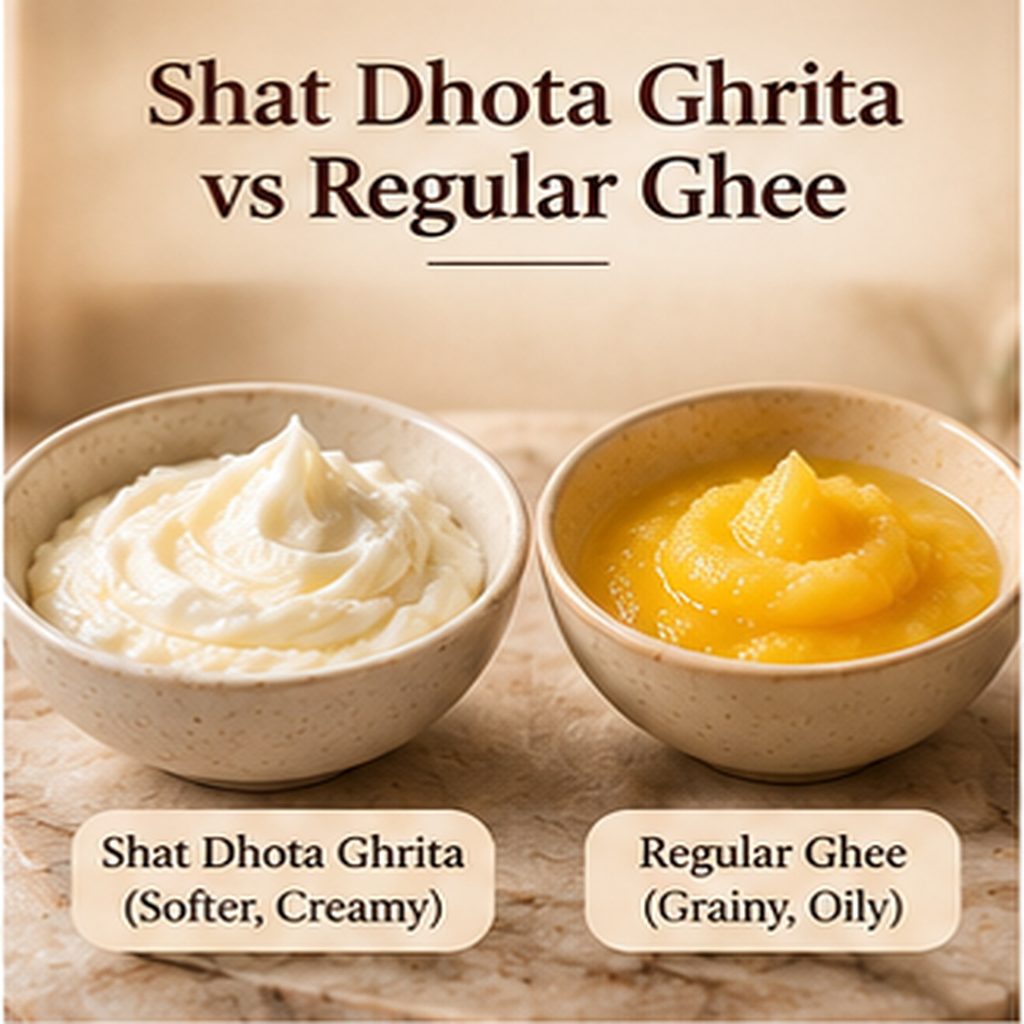
f you are new to Shat Dhota Ghrita, begin by understanding how it differs from ordinary ghee.
Regular ghee can feel oily, heavy and grainy, while repeated washing and physical working create the softer, fluffier and more cream-like character associated with Shat Dhota Ghrita.
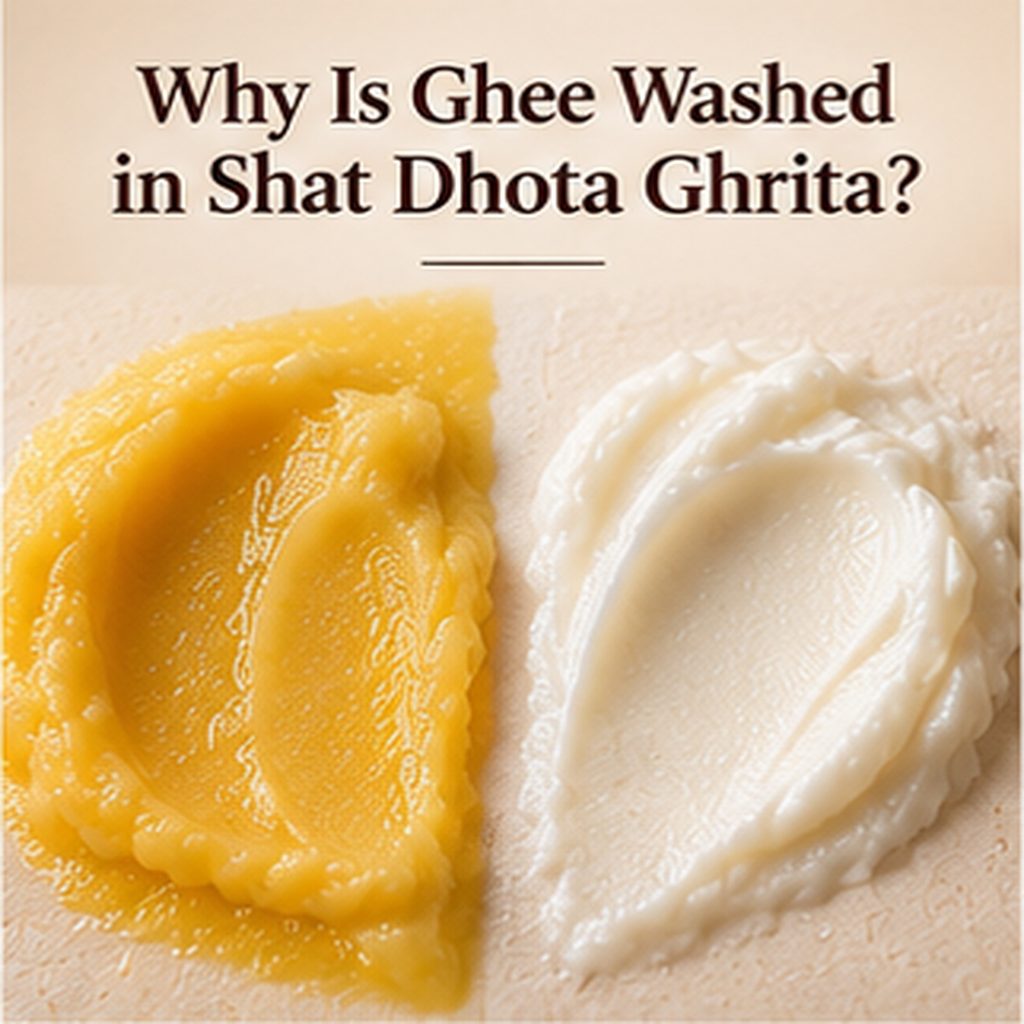
Why Is Ghee Washed in Shat Dhota Ghrita?
Repeated washing is central to the transformation of the ghee.
It helps reduce graininess and changes the texture from a dense fat into a softer, smoother and more cream-like preparation.
Traditional teaching also associates repeated washing with cleansing the ghee.
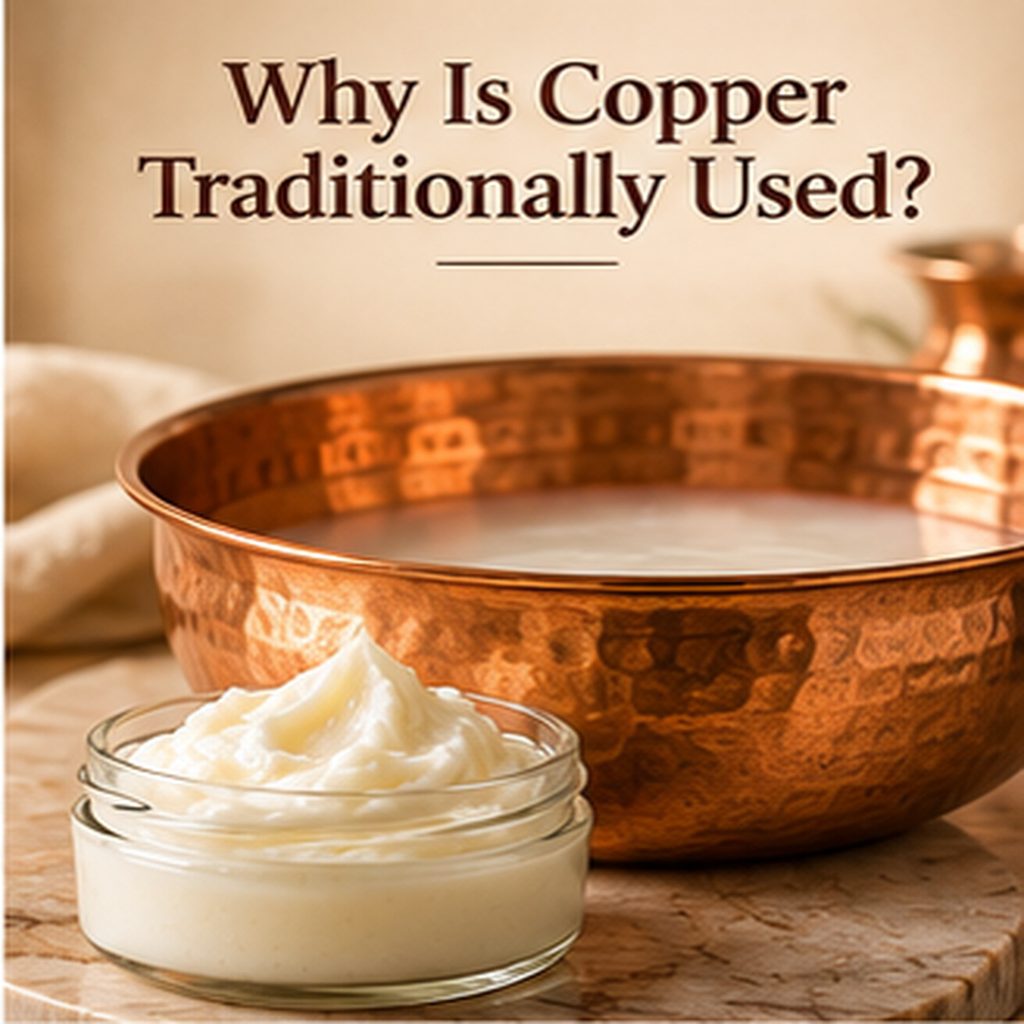
Why Is Copper Traditionally Used?
Copper is part of the traditional Shat Dhota Ghrita preparation concept.
The reddish copper traditionally called tamba is associated with the copper-water concept, cleansing and preservation within the traditional explanation of the preparation.
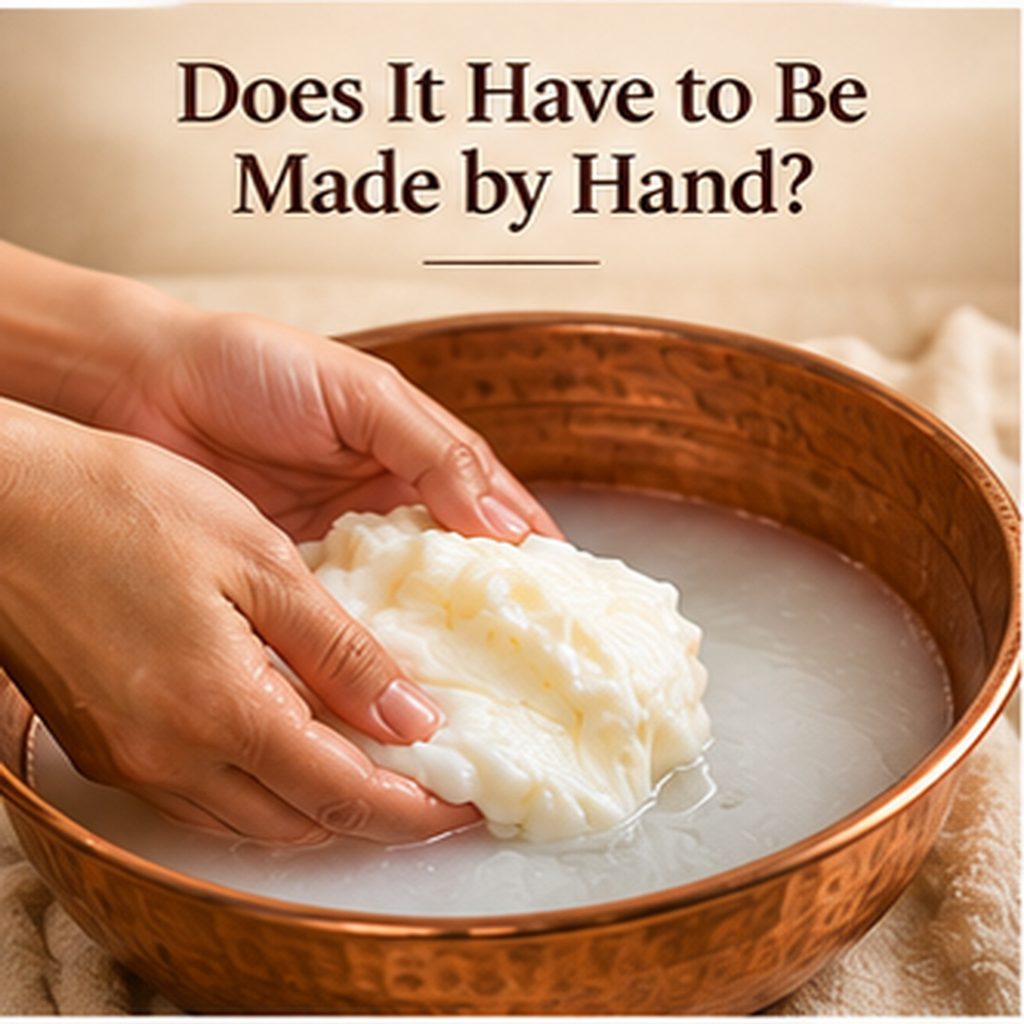
Does Shat Dhota Ghrita Have to Be Made by Hand?
Traditional preparation was done manually, but the important factor is the physical transformation of the ghee.
Modern mixing equipment can also create strong grinding action and help produce a smooth, creamy washed-ghrita texture.
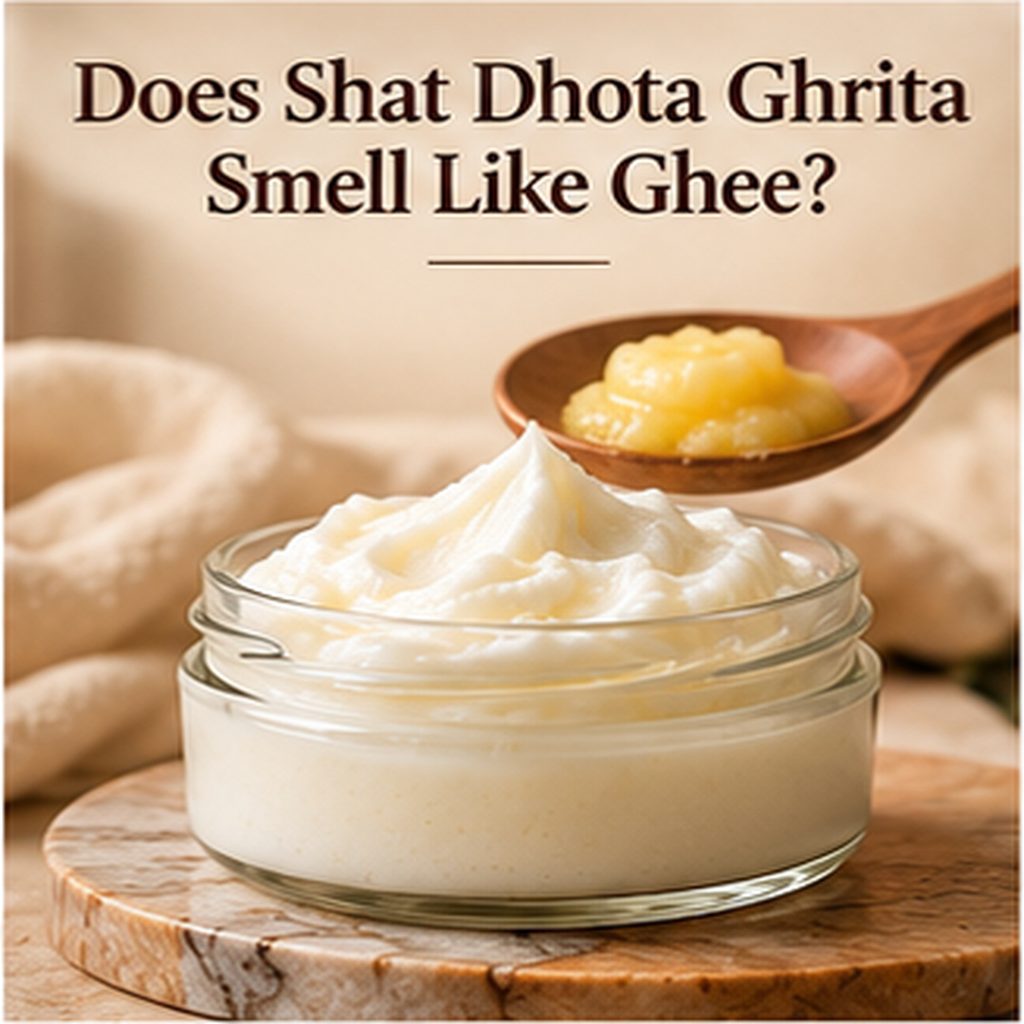
Does Shat Dhota Ghrita Smell Like Ghee?
Repeated washing can reduce the characteristic smell of regular ghee considerably.
However, washed ghrita does not necessarily become completely odourless. Some mild natural ghee character may still remain.
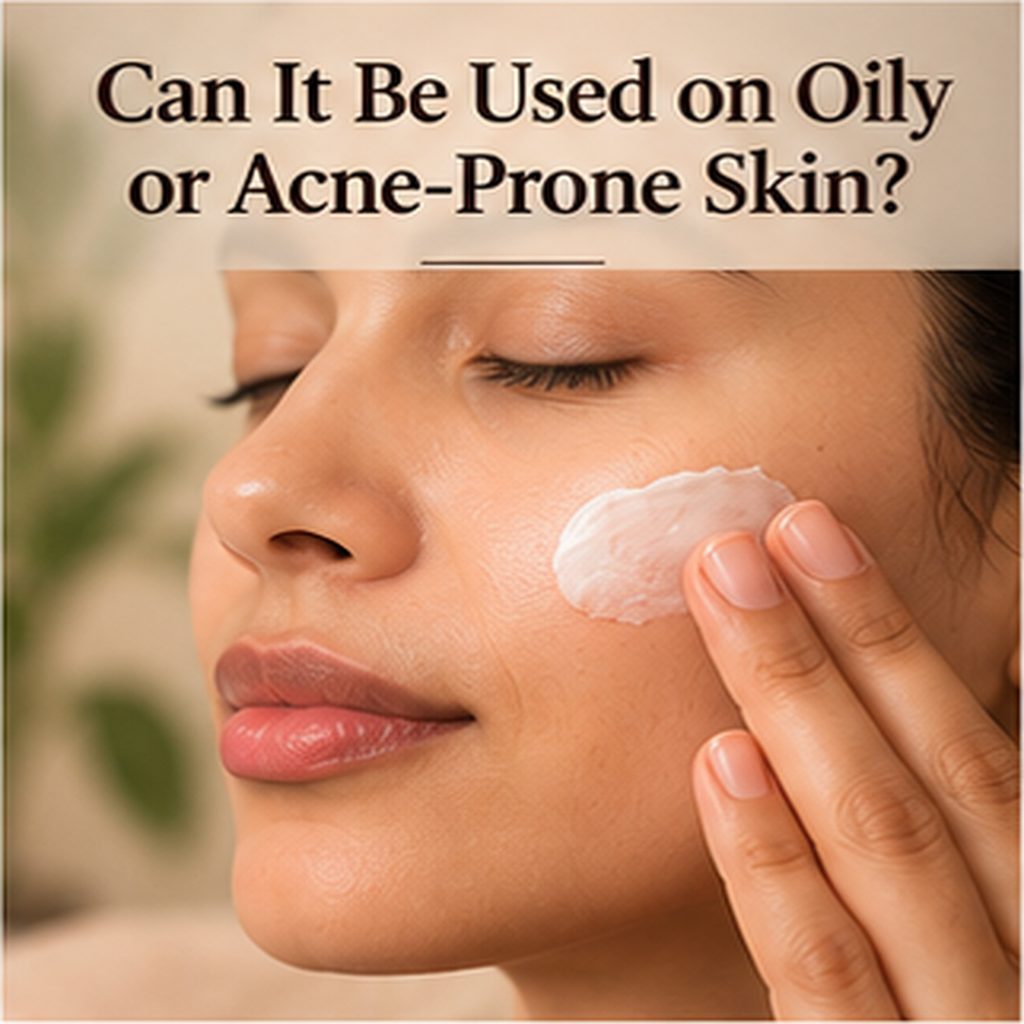
Can Shat Dhota Ghrita Be Used on Oily or Acne-Prone Skin?
Shat Dhota Ghrita is naturally rich.
For oily or acne-prone skin, smaller amounts, targeted application or shorter-contact use may feel more comfortable than applying a heavy layer over the entire face.
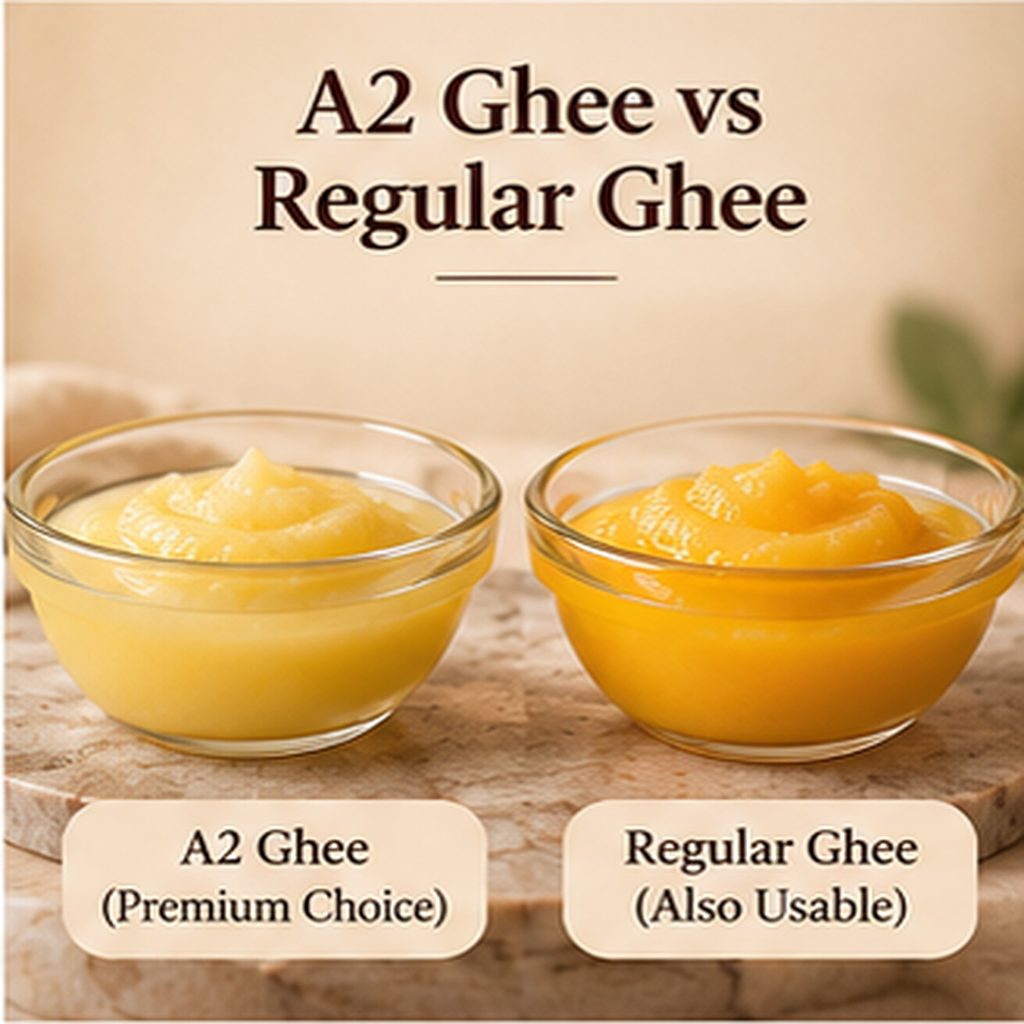
A2 Ghee vs Regular Ghee for Shat Dhota Ghrita
A2 ghee is not compulsory for making Shat Dhota Ghrita.
Good regular ghee can also produce the desired washed, creamy texture, while A2 ghee may be preferred when creating a more premium product
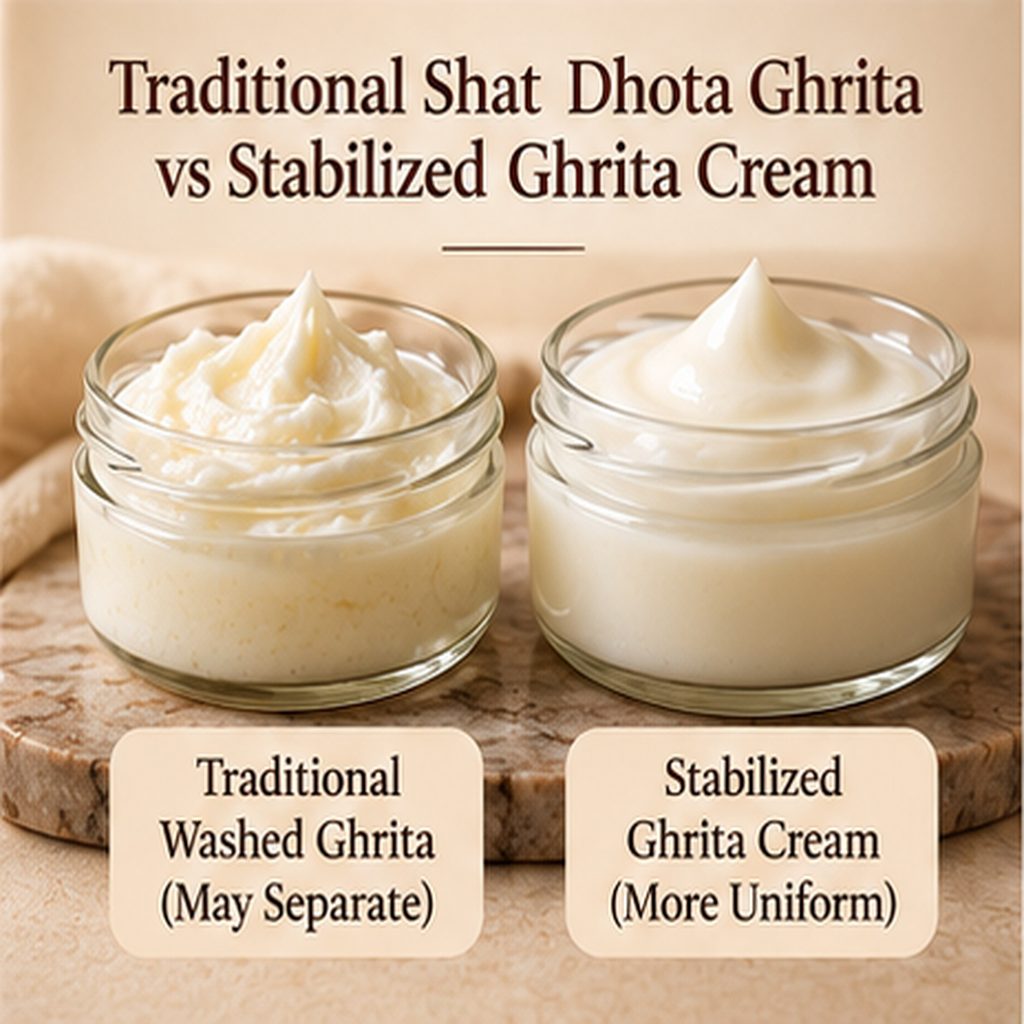
Traditional Shat Dhota Ghrita vs Stabilized Ghrita Cream
Traditional washed ghrita stays closer to the original preparation and may sometimes release water.
A stabilized ghrita cream is designed to remain more uniform and consistent by improving the relationship between the fat and retained water.
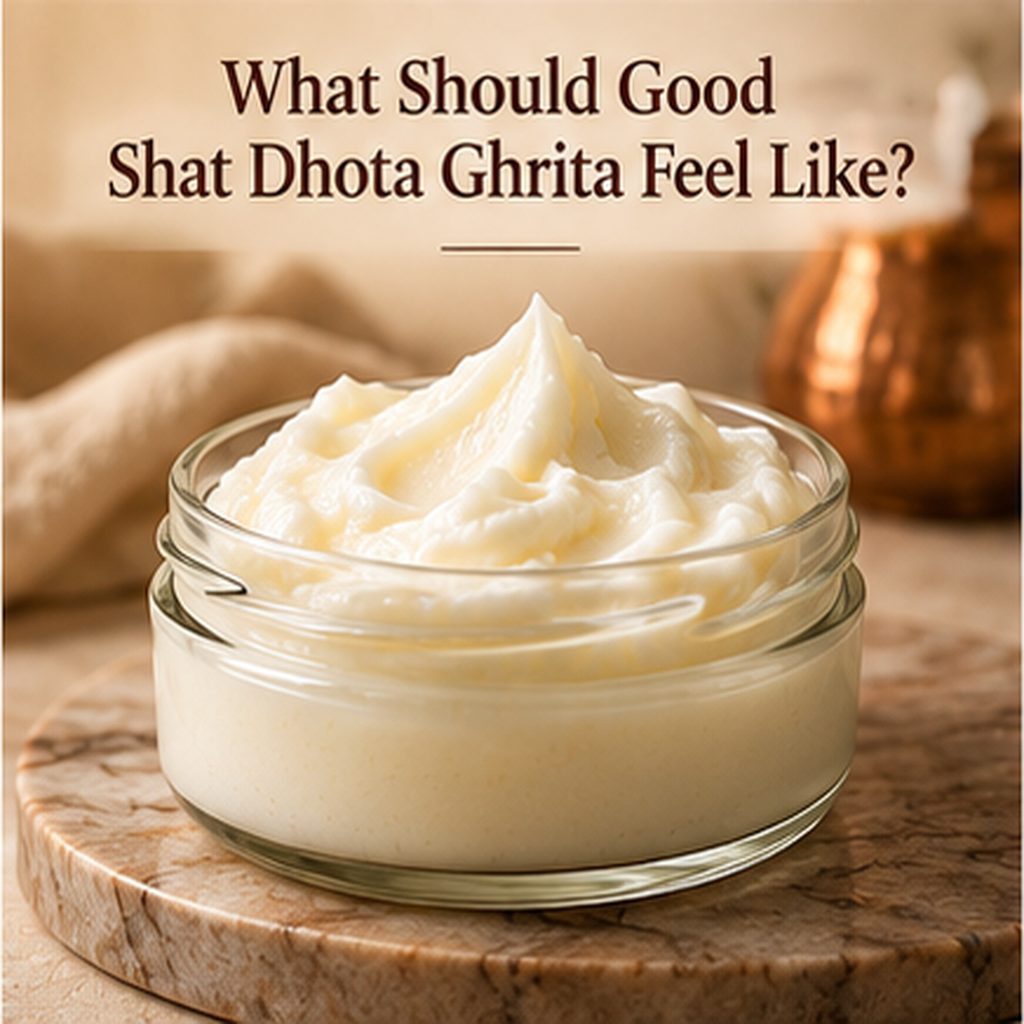
What Should Good Shat Dhota Ghrita Feel Like?
Texture is one of the easiest ways to understand the transformation.
Good Shat Dhota Ghrita should feel noticeably different from ordinary ghee. It should generally be smoother, softer, creamier and lighter, with greatly reduced graininess.
Learn Shat Dhota Ghrita Formulation
The Knowledge Articles above focus on understanding Shat Dhota Ghrita, its texture, traditional concepts and practical distinctions.
If you want to learn the complete practical formulation process and product variations, explore the dedicated ZestChest Institute course.
Shat Dhota Ghrita becomes much easier to understand when you separate the different concepts:
how washing changes the texture;
why copper is traditionally used;
how regular and A2 ghee compare;
how the preparation should feel;
how traditional washed ghrita differs from a stabilized cream;
how usage can be adjusted according to skin feel.
Use this page as your central learning hub and explore each guide according to the question you want answered.