
Advanced Treatment Creams
Treatment creams go beyond everyday moisturising by focusing on particular skin concerns such as pigmentation, ageing, acne, dark circles and puffiness.
But when do you actually need a treatment cream instead of a regular moisturiser? Is it better to choose a cream for one specific concern or a multipurpose product? What should an anti-ageing cream address? And why do the form, stability and purpose of individual ingredients matter?
This learning hub brings together our complete Advanced Treatment Creams Guide and focused Knowledge Articles to help you understand different types of treatment creams, important ingredient roles, how targeted and multipurpose creams differ, and what to realistically expect from these products.

If you are new to treatment creams, begin with our complete guide.
It brings the key concepts together—from how treatment creams differ from everyday moisturisers to targeted and multipurpose creams, ingredient roles, pigmentation, ageing, acne, under-eye care, preservation and realistic expectations from regular use.
Understand Which Type of Cream You Need
Before looking at individual ingredients, it helps to understand what you actually want the cream to do.
The name of an ingredient does not always tell you everything you need to know. Its form, purpose and compatibility with the product can matter too.
Different concerns call for different priorities. These guides look more closely at ageing, pigmentation, the eye area and acne.
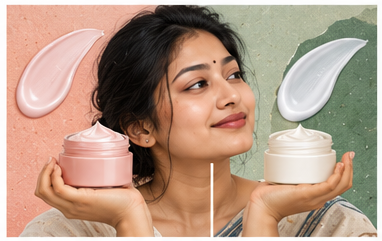
Treatment Cream vs Moisturiser: What’s the Difference?
A treatment cream and an everyday moisturiser do not serve exactly the same purpose.
Learn when simple moisturising may be enough and when a specific skin concern may make a more targeted treatment cream useful.
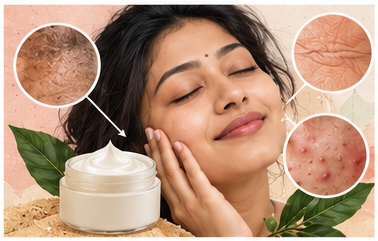
Targeted Cream vs Multipurpose Cream: Which Makes More Sense?
A multipurpose cream can be useful when several skin concerns are mild, while a targeted cream can give greater attention to one dominant concern.
Learn how to decide which approach makes more sense depending on what you are trying to address.
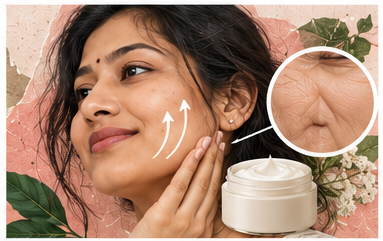
What Should an Anti-Ageing Cream Actually Address?
Anti-ageing is not simply about adding one fashionable ingredient to a cream.
Explore how hydration, plumpness, fine lines, nourishment and firmness represent different but related considerations when thinking about an anti-ageing cream.
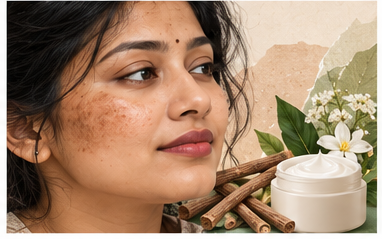
Pigmentation Creams: Brightening vs Treating a Specific Pigmentation Concern
General skin brightening and treating pronounced pigmentation are not quite the same goal.
Learn why the distinction matters and when a more focused pigmentation cream may make more sense than a broad multipurpose product.
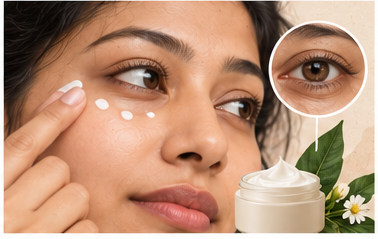
Under-Eye Cream vs Face Moisturiser: Why the Eye Area Is Treated Differently
An under-eye cream is not simply a face moisturiser packaged in a smaller jar.
Explore why dryness, dark circles and puffiness make the purpose of an eye-area treatment different from that of a general facial moisturiser.
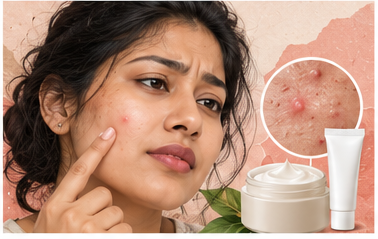
Anti-Acne Cream vs Spot Treatment: What’s the Difference?
A maintenance-style anti-acne cream for regular facial use is different from a strong treatment applied to an individual spot.
Learn why the pattern and severity of acne matter when distinguishing between the two.
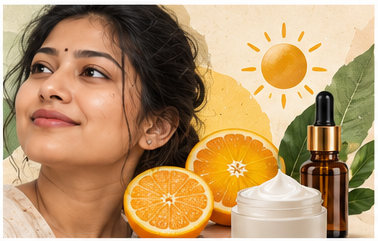
Why Vitamin C Creams Need the Right Form and Packaging
“Vitamin C” does not describe one interchangeable cosmetic ingredient.
Learn why different forms of vitamin C behave differently in creams and why protecting a vitamin C product from unnecessary exposure to air and light matters.
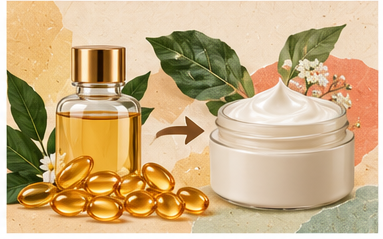
Vitamin E Oil vs Concentrated Vitamin E: Why Ingredient Form Matters
A bottle labelled “vitamin E oil” may not be the same material as concentrated vitamin E.
Learn why ingredient form matters and why the name on the front of a bottle may not tell the whole story.
Why Vitamin E Is Not a Substitute for a Cosmetic Preservative
Antioxidant support and cosmetic preservation solve different problems.
Learn why vitamin E may help in one role but should not be treated as a replacement for protecting a cream against microbial spoilage.
How Long Should You Expect a Treatment Cream to Take to Work?
Treatment creams should not be judged like instant makeup.
Learn why meaningful skin changes can require consistent use over time and why realistic expectations matter when evaluating a treatment cream.
Want to Learn How to Make Advanced Treatment Creams?
The articles in this learning hub are designed to explain the principles behind advanced treatment creams—their purposes, ingredient roles, differences between targeted and multipurpose products, and considerations for different skin concerns.
They intentionally do not publish the complete course formulations or detailed manufacturing processes.
If you want to move from understanding advanced treatment creams to learning how to formulate them practically, explore the Zestchest Institute Advanced Treatment Creams Course.