
Perfume
Perfume is not simply about making something smell pleasant. The materials you choose, the way a fragrance is structured, and the type of perfume base all affect how quickly a fragrance is noticed, how far it travels and how long it remains with the wearer.
This learning collection brings together our main guide and focused articles on the principles behind perfumery—from understanding fragrance notes and essential oils to fragrance throw, perfume formats, aging, pulse points and why original perfumes can differ so much in price.
If you are new to the subject, begin with our main guide. It brings together the key concepts behind fragrance notes, essential and fragrance oils, perfume formats, projection, longevity, aging and how different types of perfume behave when worn.
Understand How Fragrance Is Built
Perfume changes as you experience it. Some aromas make themselves known immediately, while others develop more slowly and remain noticeable for longer. The materials available to a perfumer also differ depending on whether the fragrance is being created with essential oils or fragrance oils.
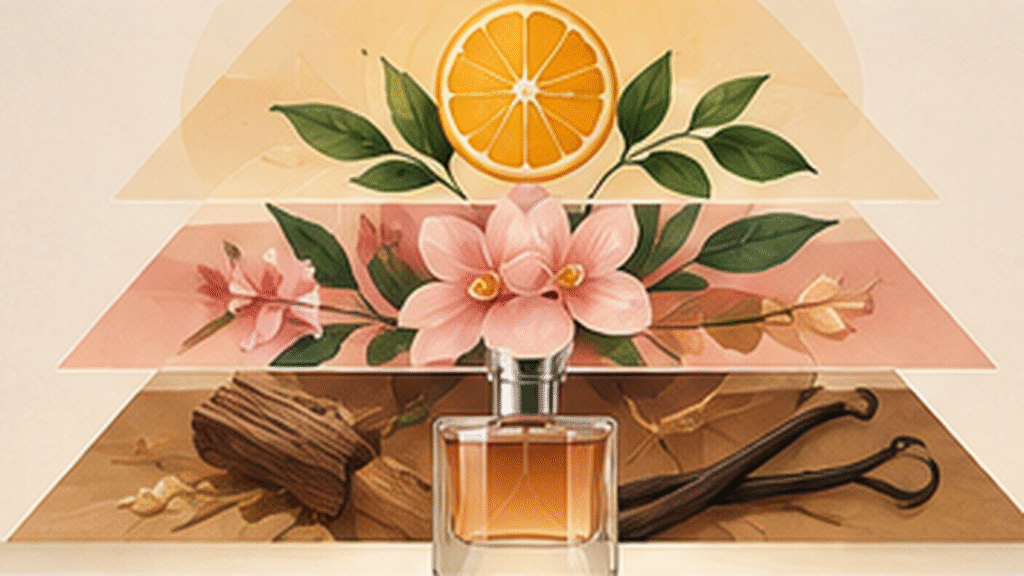
Top, Middle and Base Notes in Perfume: What Is the Difference?
Top notes create the first impression, middle notes help carry the fragrance as that first impression fades, and base notes develop more slowly and remain noticeable for longer.
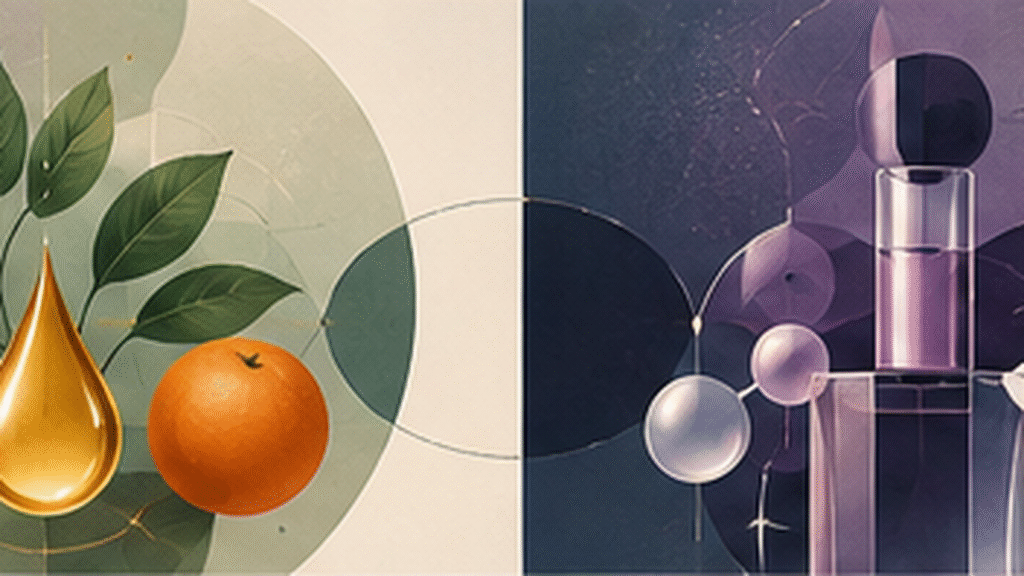
Essential Oils vs Fragrance Oils in Perfume: What Is the Difference?
Both can be used to create perfume, but they offer different possibilities. Learn why essential oils have a naturally limited aromatic palette and how fragrance oils can create a much broader range of scents.
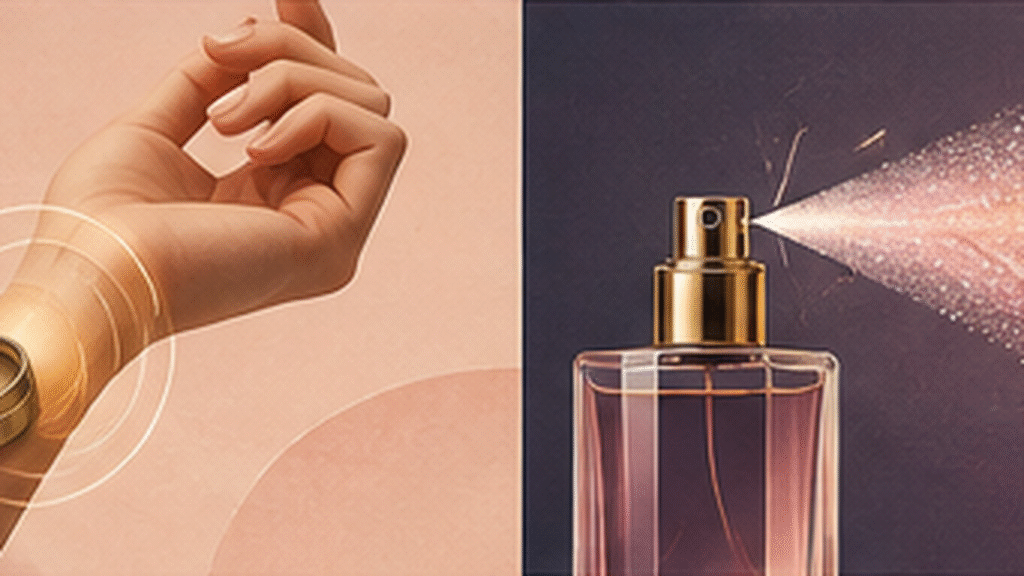
Solid Perfume vs Spray Perfume: What Is the Difference?
Solid perfume stays close to the wearer, while an alcohol-based spray can carry fragrance farther into the surrounding air. Understand how the two formats differ in projection, longevity and application.
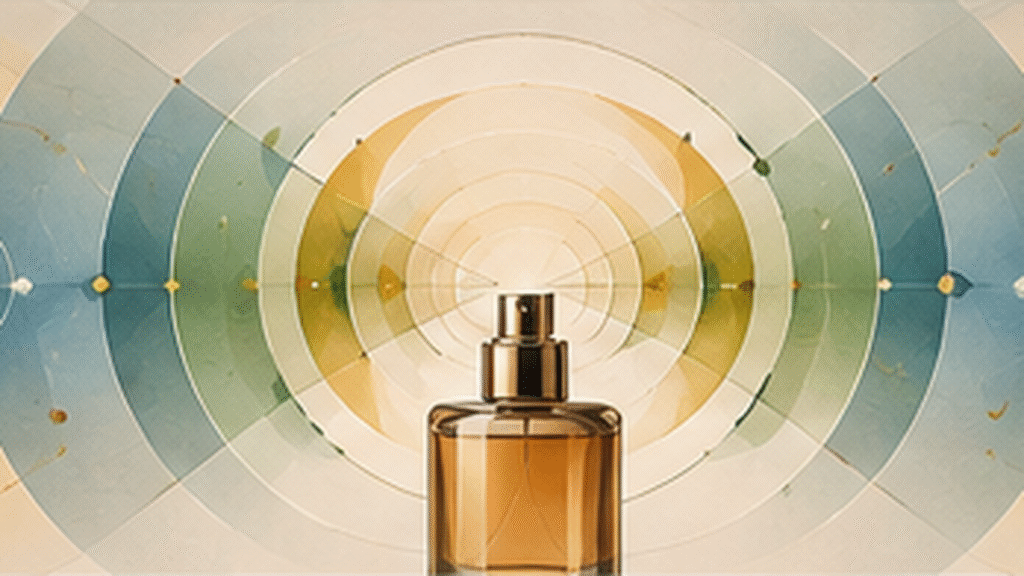
What Is Fragrance Throw and Why Do Some Perfumes Fill a Room?
Why can one perfume be noticed across a room while another stays close to the skin? Learn what fragrance throw means and why alcohol, water, oil and solid perfume bases behave differently.

Why Are Pulse Points Used for Solid and Roll-On Perfume?
Solid and roll-on perfumes do not project like alcohol-based sprays. Learn why body warmth at areas such as the wrists and behind the ears can help make these close-to-skin fragrances more noticeable.
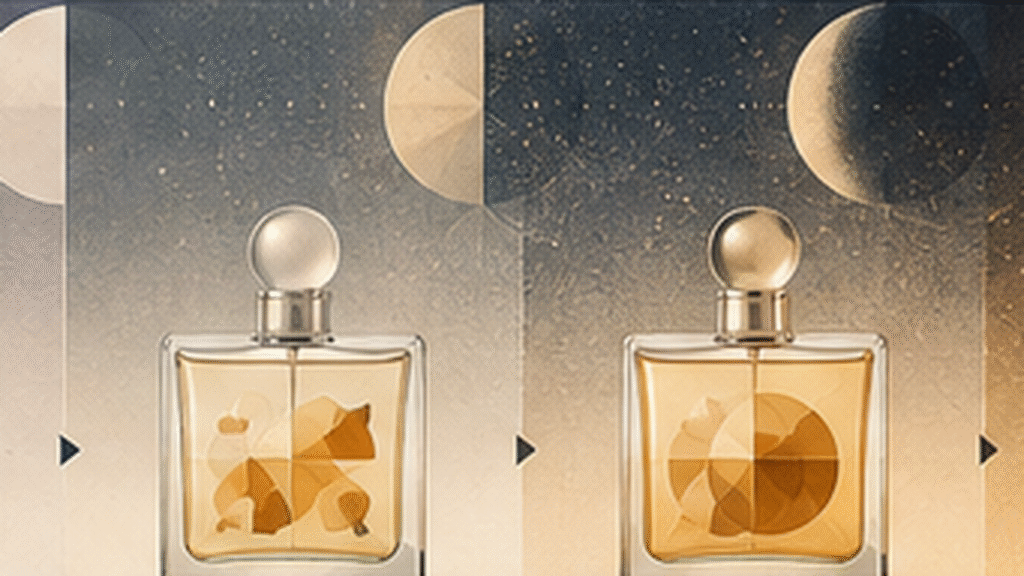
Why Does Perfume Smell Different After It Has Rested?
A freshly prepared perfume may not smell like its finished version, particularly when alcohol initially dominates the fragrance. Learn why resting and aging matter and why a perfume should not always be judged immediately.
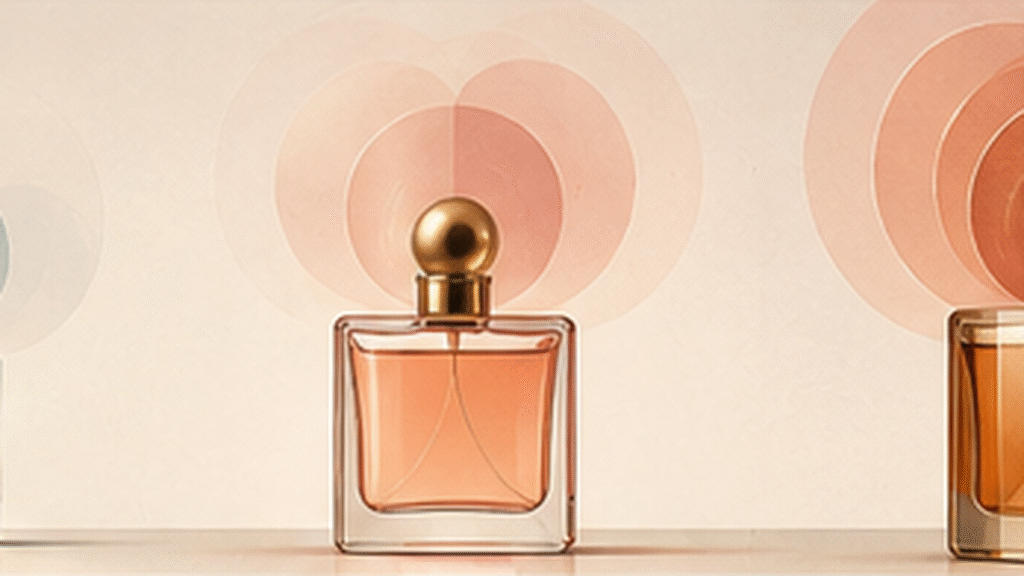
Perfume, Eau de Parfum and Eau de Cologne: What Is the Difference?
These are not simply different names for fragrance. Learn how changes in the balance of fragrance, alcohol and water affect strength, evaporation and how different perfume products are intended to be used.
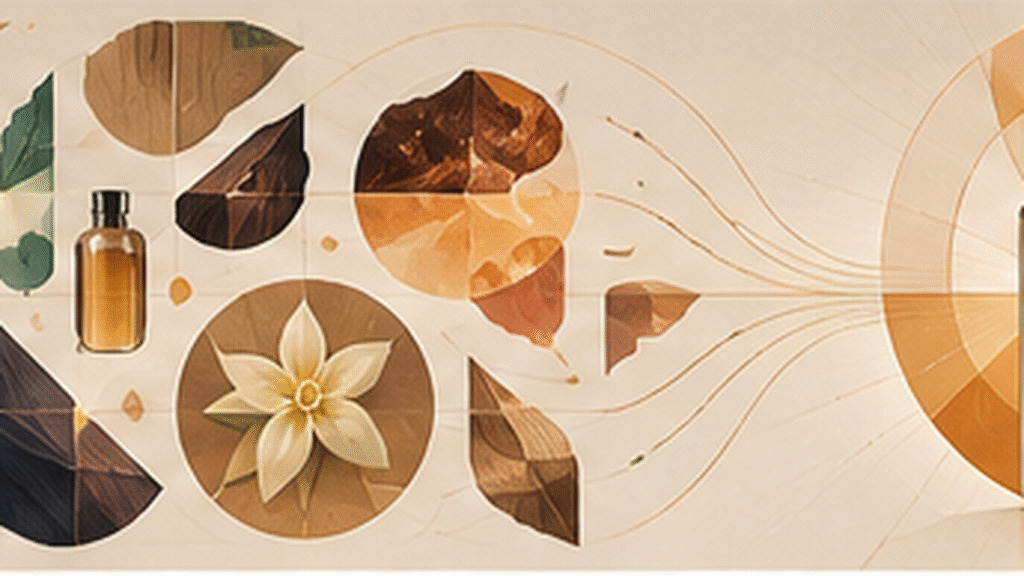
Why Are Some Perfumes Much More Expensive Than Others?
Explore why creating a distinctive original fragrance is different from reproducing an existing successful scent, and why fragrance development can contribute to the value of a perfume.
Want to Learn How to Make Perfumery Products?
The articles in this learning hub are designed to help you understand the principles behind perfumery—how fragrance is structured, why different perfume formats behave differently, what affects projection and longevity, and why a fragrance can change as it rests.
They intentionally do not publish the complete formulations, detailed manufacturing processes or supplier information taught in the course.
For structured instruction in actually making perfumery products, including the practical formulations, making processes and supplier details, explore the Zestchest Perfumery Products Making Course.