A freshly prepared perfume may not smell like its finished version because the fragrance needs time to rest and develop. This is particularly important with alcohol-based perfume, where the initial alcohol smell can dominate the first impression.
For that reason, smelling a perfume immediately after it has been prepared is not always a reliable way to judge its final character.
Why the first smell can be misleading
When an alcohol-based perfume is fresh, alcohol may be very noticeable. If you judge the perfume at that moment, you may be judging the base as much as the fragrance itself.
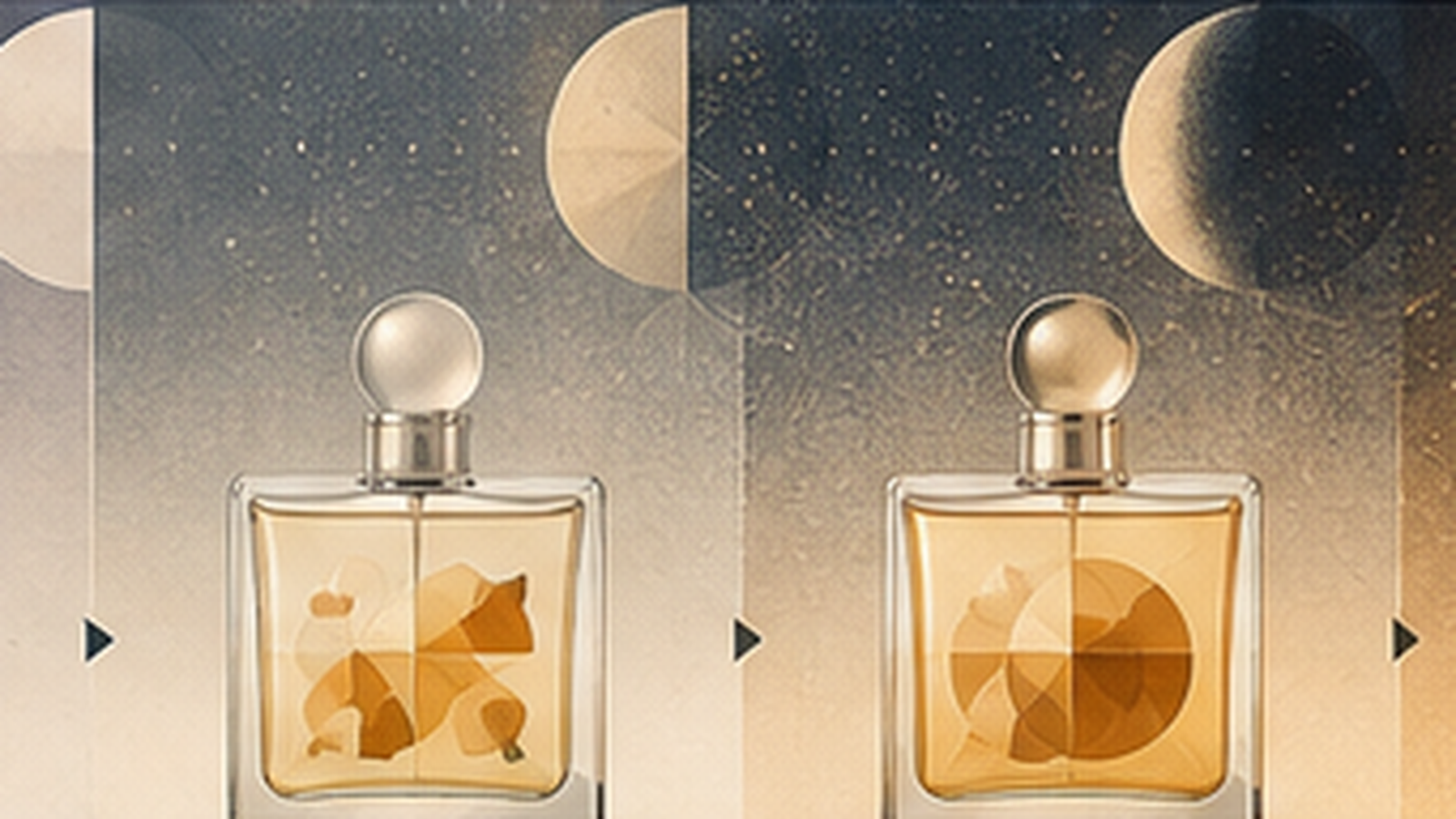
Even after the initial alcohol impression settles, the fragrance may still continue to develop. The workshop material therefore emphasizes a resting or curing period before making a proper judgment.
The practical implication is simple: do not be too quick to reject a fragrance because the freshly prepared version does not smell as expected.
What does aging change conceptually?
The source treats aging as part of perfume development rather than merely storage.
A useful analogy is aged wine or whisky. Time becomes part of the product experience. In perfumery, the fragrance blend has time to sit together and develop before it reaches the customer.
This is also one reason premium perfumes may be discussed differently from products that are prepared and sold very quickly.
Does resting matter only to professional perfume makers?
The principle matters to anyone evaluating a newly prepared fragrance.
If you smell a fresh perfume and immediately decide that the fragrance is wrong, too dominated by alcohol or not yet balanced, you may be making the decision too early.
The source’s practical teaching is to allow the fragrance time before judging its finished character.
Does perfume keep changing forever?
The supplied material focuses on the importance of resting and aging but does not provide a general rule for how every perfume changes indefinitely. The useful point is narrower: a freshly mixed perfume and a rested perfume should not automatically be expected to smell identical. The best takeaway is to treat time as part of fragrance evaluation. The first smell after preparation is a snapshot, not necessarily the finished perfume.
Related Guides
- Perfumery Products Explained: Fragrance Notes, Perfume Types, Longevity and Usage
- Top, Middle and Base Notes in Perfume: What Is the Difference?
- Essential Oils vs Fragrance Oils in Perfume: What Is the Difference?
- Why Are Some Perfumes Much More Expensive Than Others?
- Explore the Perfume & Perfumery Learning Hub