
Weight Loss & Wellness Products Explained: Diet, Protein, Gut Health and Slimming Tea
Weight management is often approached as though one tea, powder or drink can do all the work. I prefer to look at it differently.
A wellness product can support a routine, but it does not replace the routine itself. Food choices, calorie balance, activity, protein intake and digestive comfort all play different roles. The products used alongside them also have different purposes.
Understanding these distinctions makes it much easier to build a practical wellness routine without expecting one product to solve every concern.
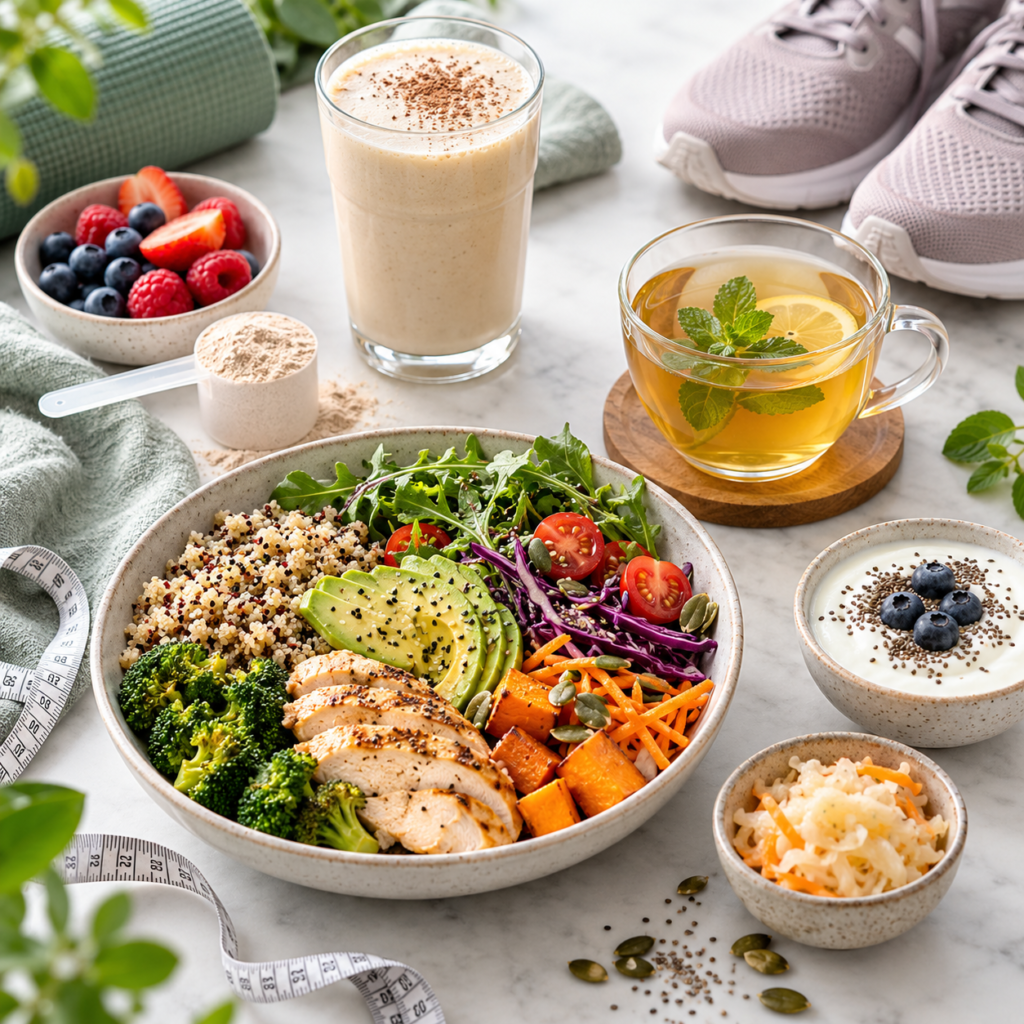
Start With the Complete Weight Loss & Wellness Guide
Want to understand the subject as a whole before exploring individual questions?
Our main guide explains how food choices, gradual weight management, protein, digestion, gut health, slimming tea and wellness products fit togethe
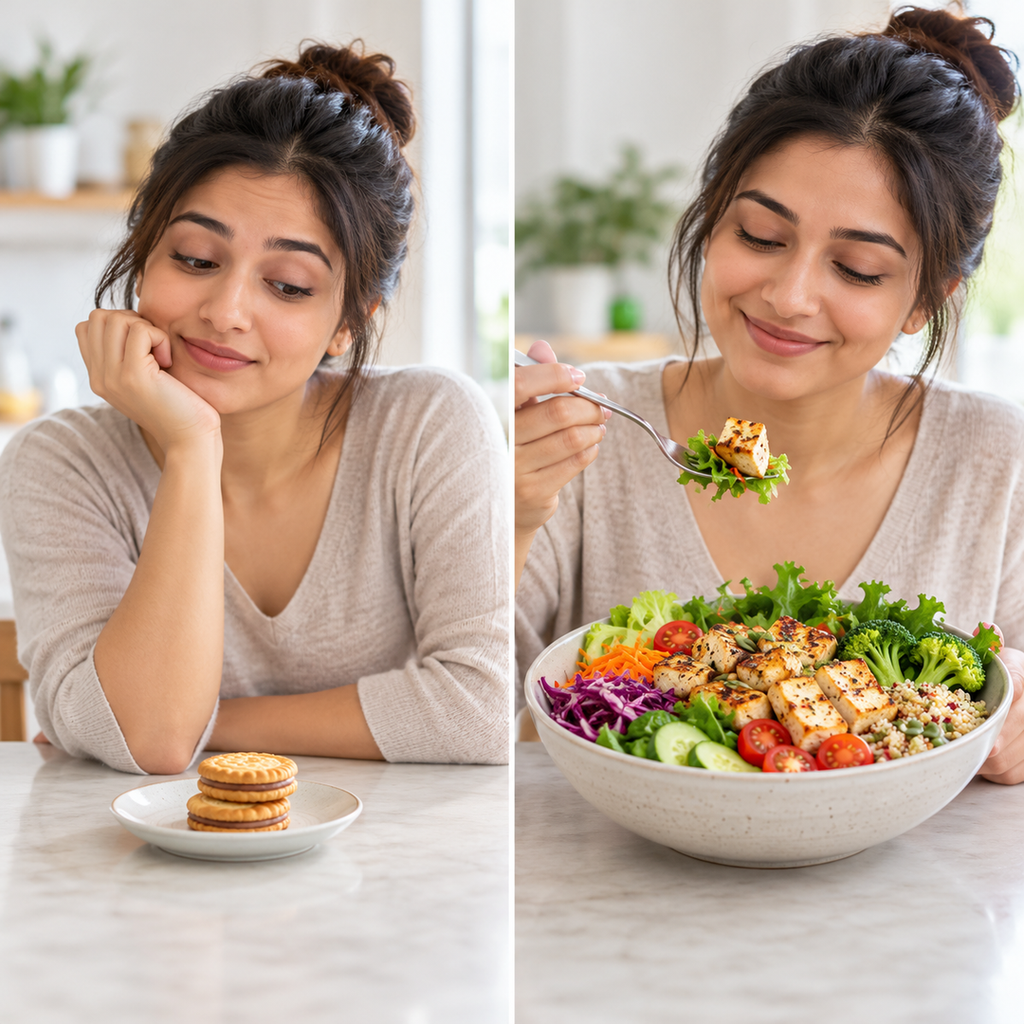
Does Weight Loss Mean Eating Less?
Weight management does not necessarily mean eating extremely small portions or remaining hungry.
Understanding the difference between calorie-dense foods and more filling foods can help you make more practical food choices.
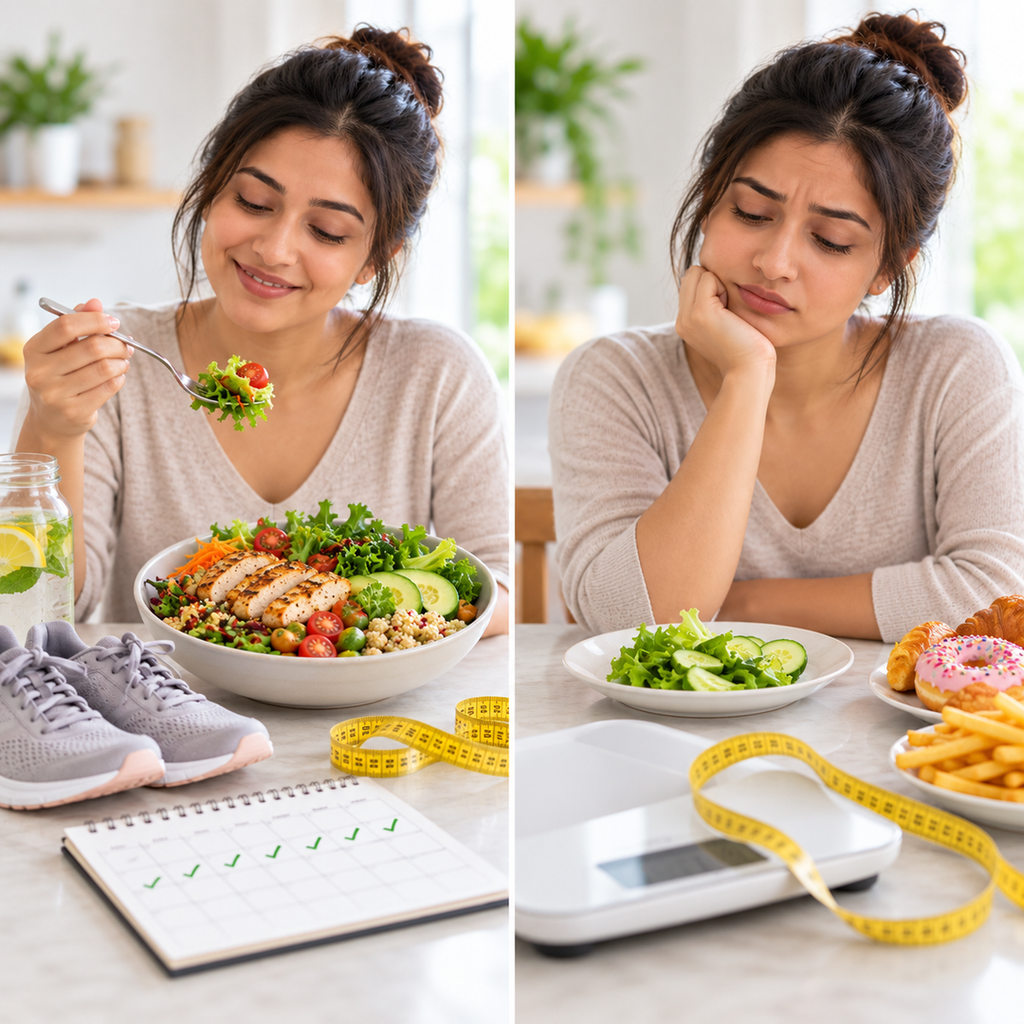
Why Is Gradual Weight Loss Better Than Rapid Weight Loss?
A dramatic reduction on the weighing scale is not always the most useful goal.
Gradual weight management allows greater attention to nutrition, activity and maintaining muscle instead of focusing only on becoming lighter quickly.
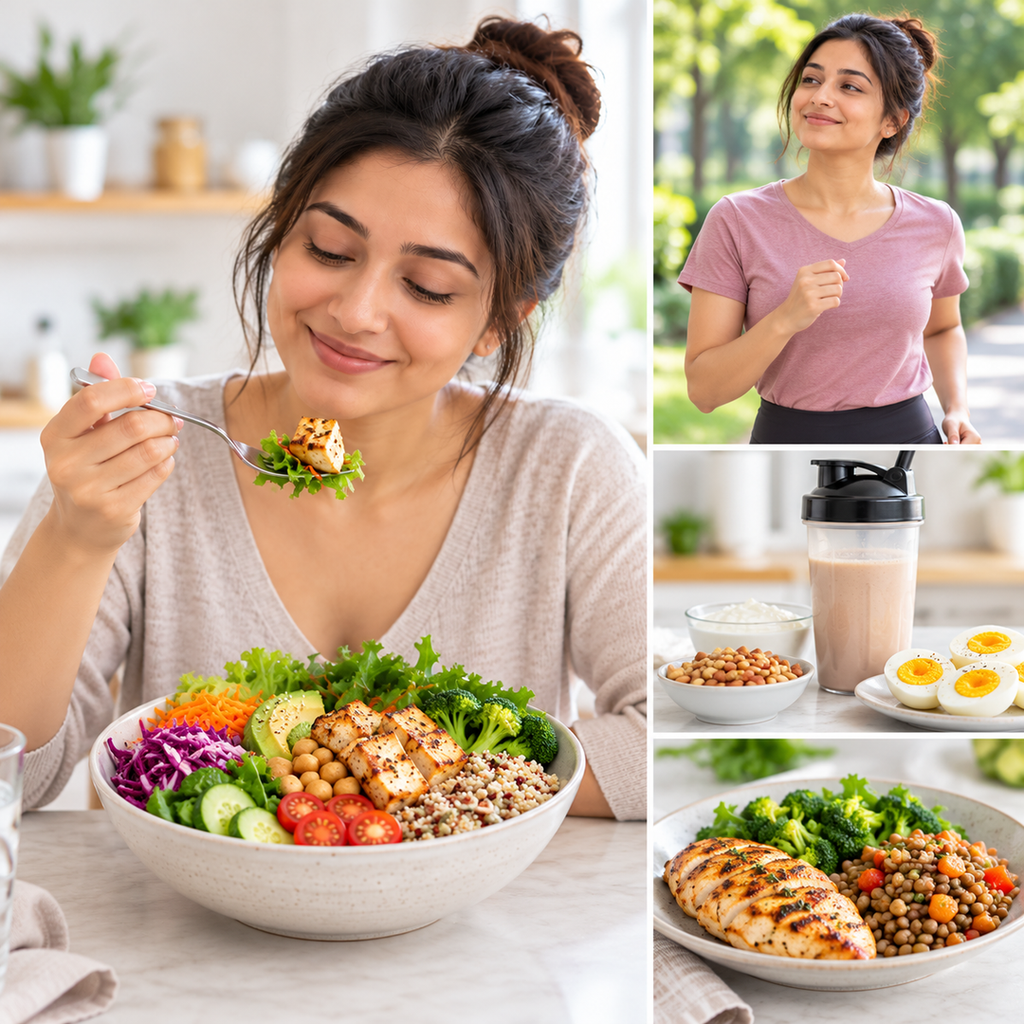
Why Is Protein Important During Weight Loss?
Weight loss should not automatically mean losing muscle.
Protein becomes especially relevant when someone is physically active or wants to maintain strength and body shape while managing weight
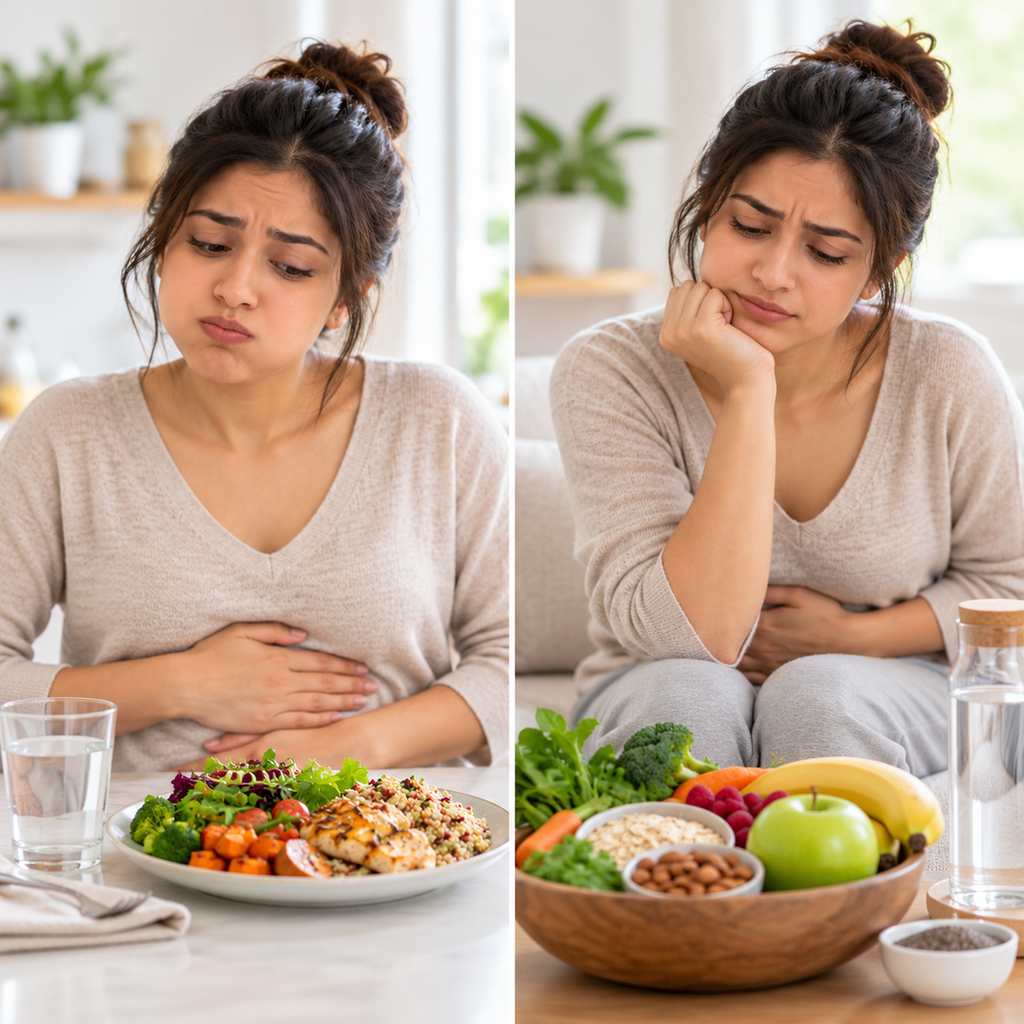
Bloating vs Constipation: What Is the Difference?
Bloating and constipation may occur together, but they are different digestive concerns.
Understanding the distinction can help explain why the same digestive approach may not be appropriate for everybody.
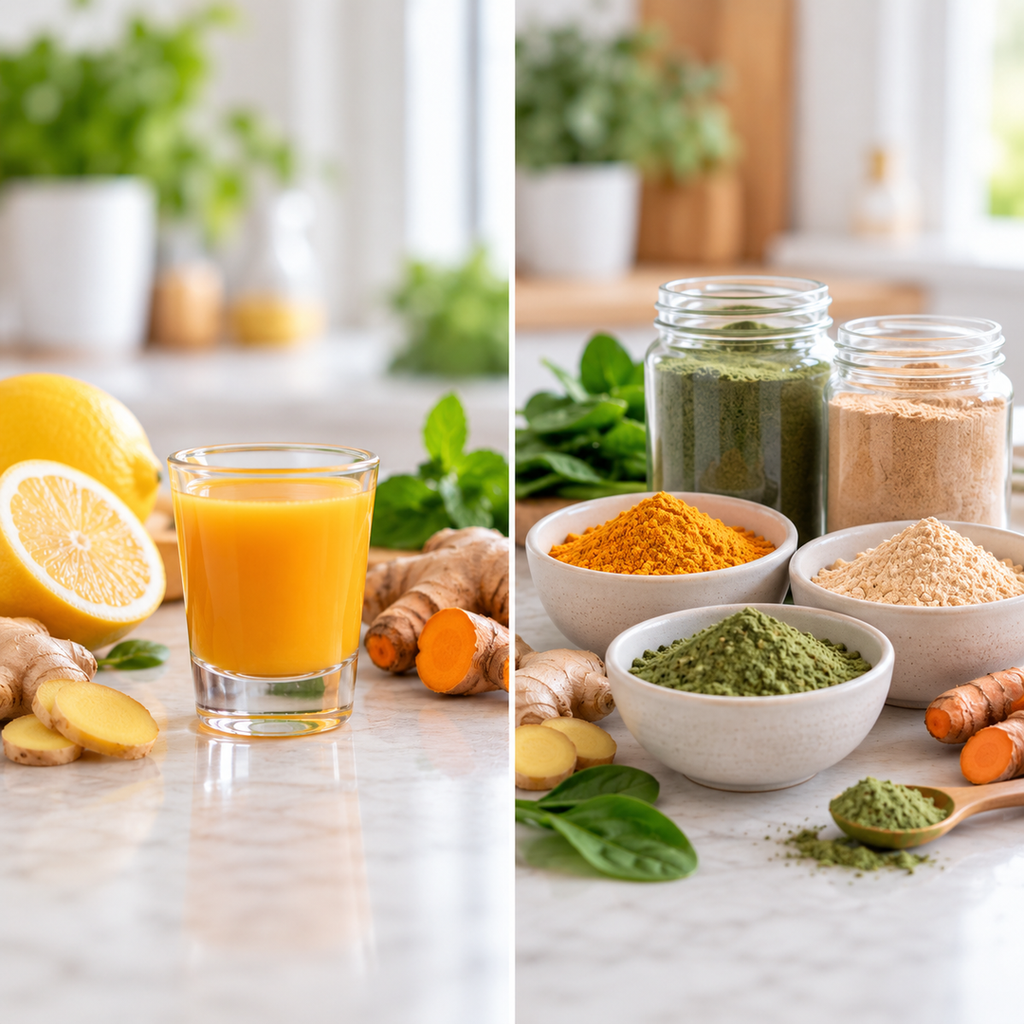
Prebiotic vs Probiotic: What Is the Difference?
Prebiotics and probiotics are commonly discussed together, but they have different roles.
Prebiotics support beneficial bacteria already present, while probiotics introduce live cultures.

Can You Use a Gut-Health Product Without Trying to Lose Weight?
Gut-health support is not only for people who want to lose weight.
Bloating, constipation, gas and digestive heaviness can occur even when a person’s body weight is already comfortable.
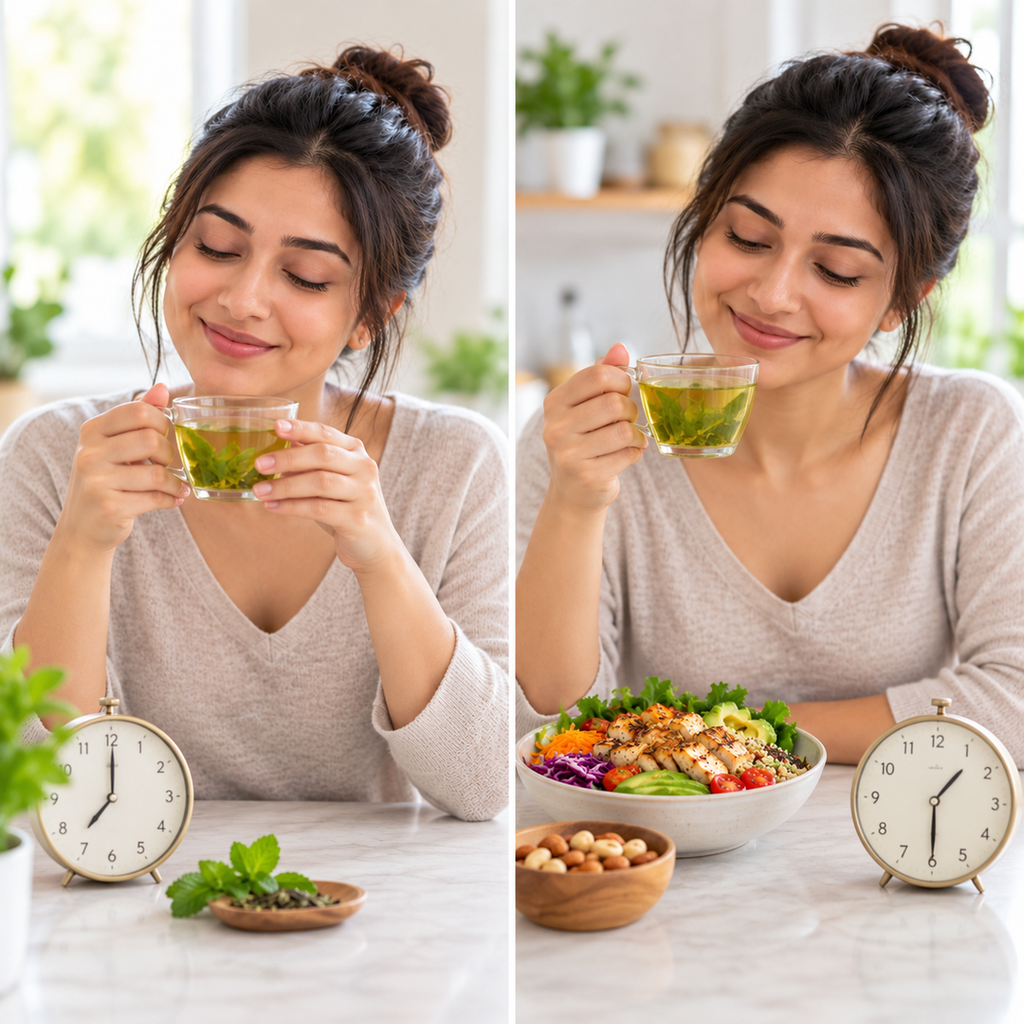
When Should You Drink Slimming Tea?
Different wellness products can have different timing.
For the slimming tea discussed in this series, the preferred approach is between meals rather than as the first drink on a completely empty stomach.
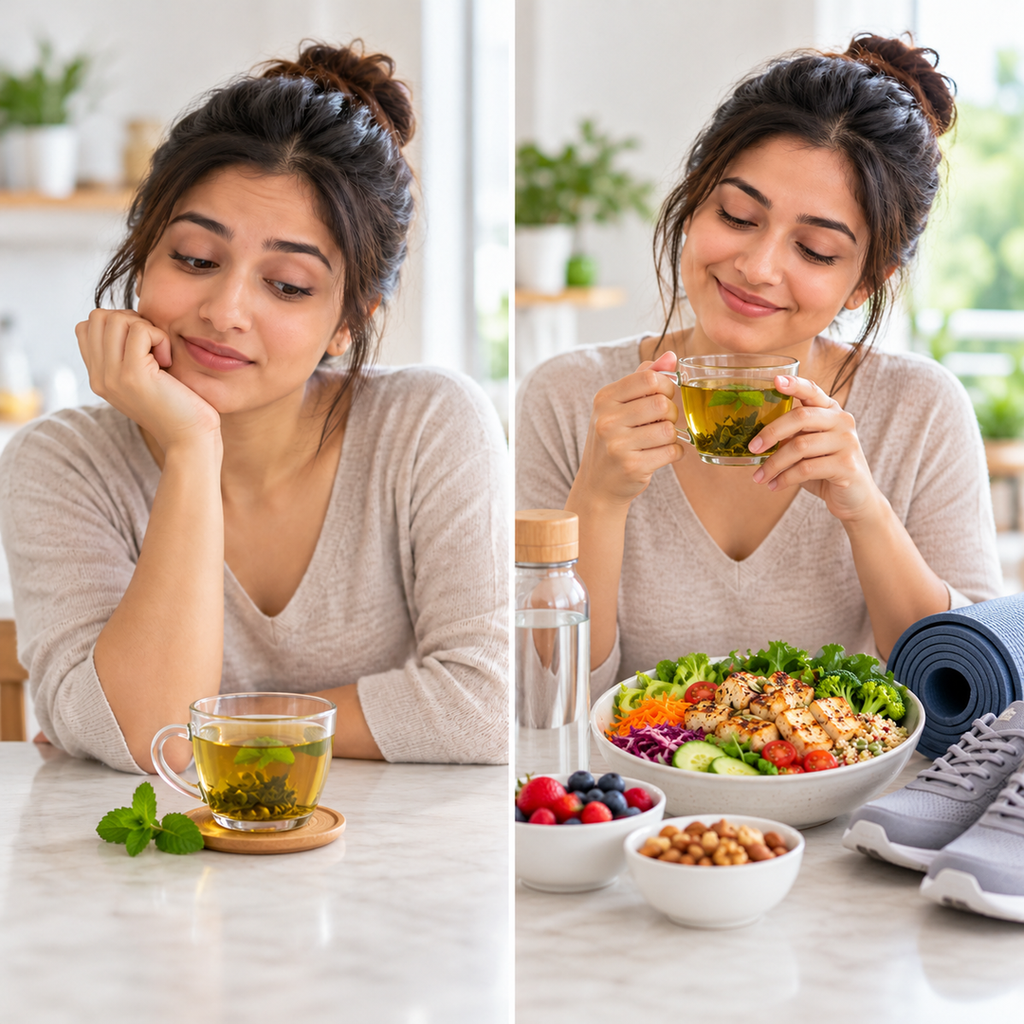
Why Doesn't Slimming Tea Work Without Diet and Activity?
Slimming tea is intended to support a weight-management routine rather than replace it.
Food choices, calorie balance and physical activity remain part of the overall approach.
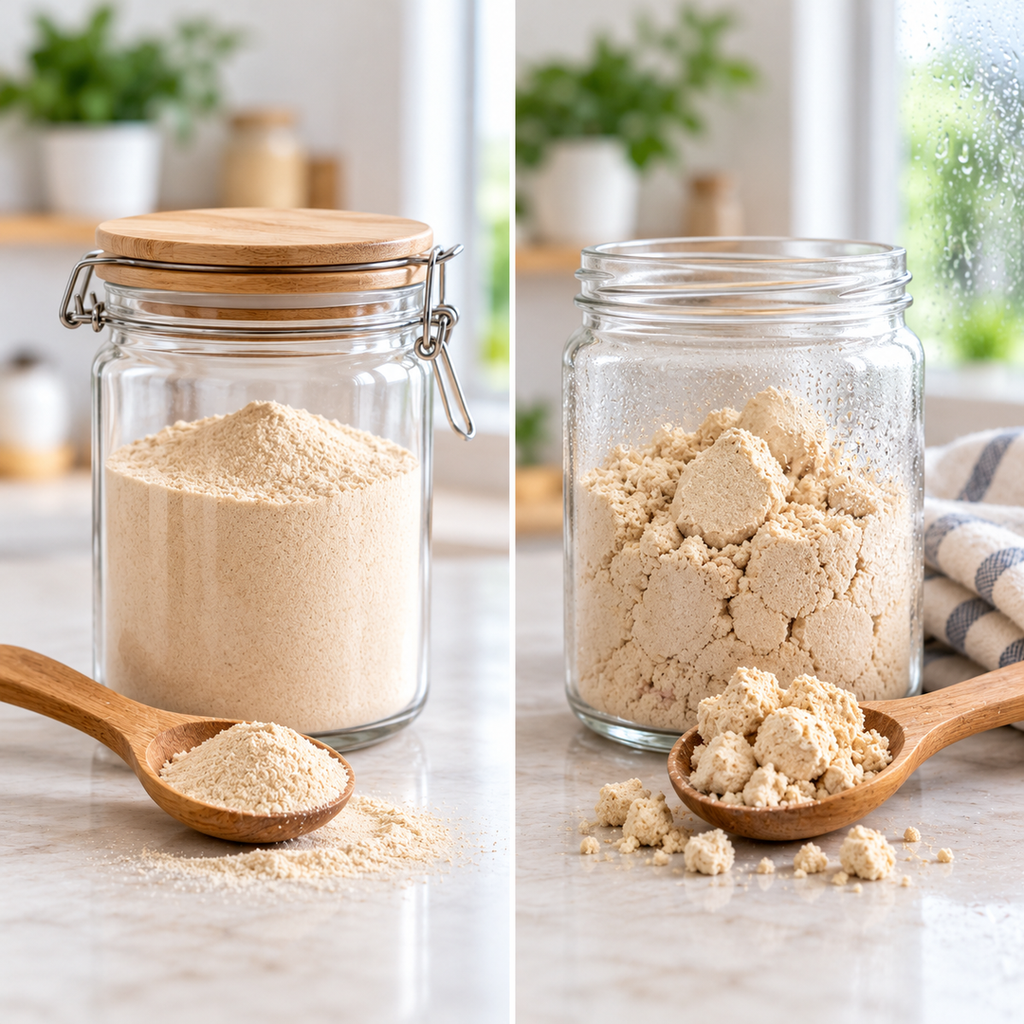
Why Do Dry Wellness Powders Become Lumpy?
Dry powders can form lumps when moisture enters the product through humid air, an open container or a damp spoon.
Clumping does not automatically mean spoilage, but it shows why dry handling and proper storage matter.
Want to Learn How to Formulate Weight Loss & Wellness Products?
The Knowledge Articles above explain individual concepts related to weight management, digestion, protein, slimming tea and wellness-product use.
If you want structured practical training in formulating the products themselves, explore our dedicated course.
This course takes the subject beyond the public educational articles and into practical formulation training.
Use this hub to move between those topics and explore each question in detail.