

Shampoo Bars: Complete Learning Hub
Learn how shampoo bars work, how they compare with liquid shampoo and soap bars, why pH matters, and how herbs, clays, surfactants and conditioning fit into the solid shampoo format.
Learn how shampoo bars work, how they compare with liquid shampoo and soap bars, why pH matters, and how herbs, clays, surfactants and conditioning fit into the solid shampoo format.
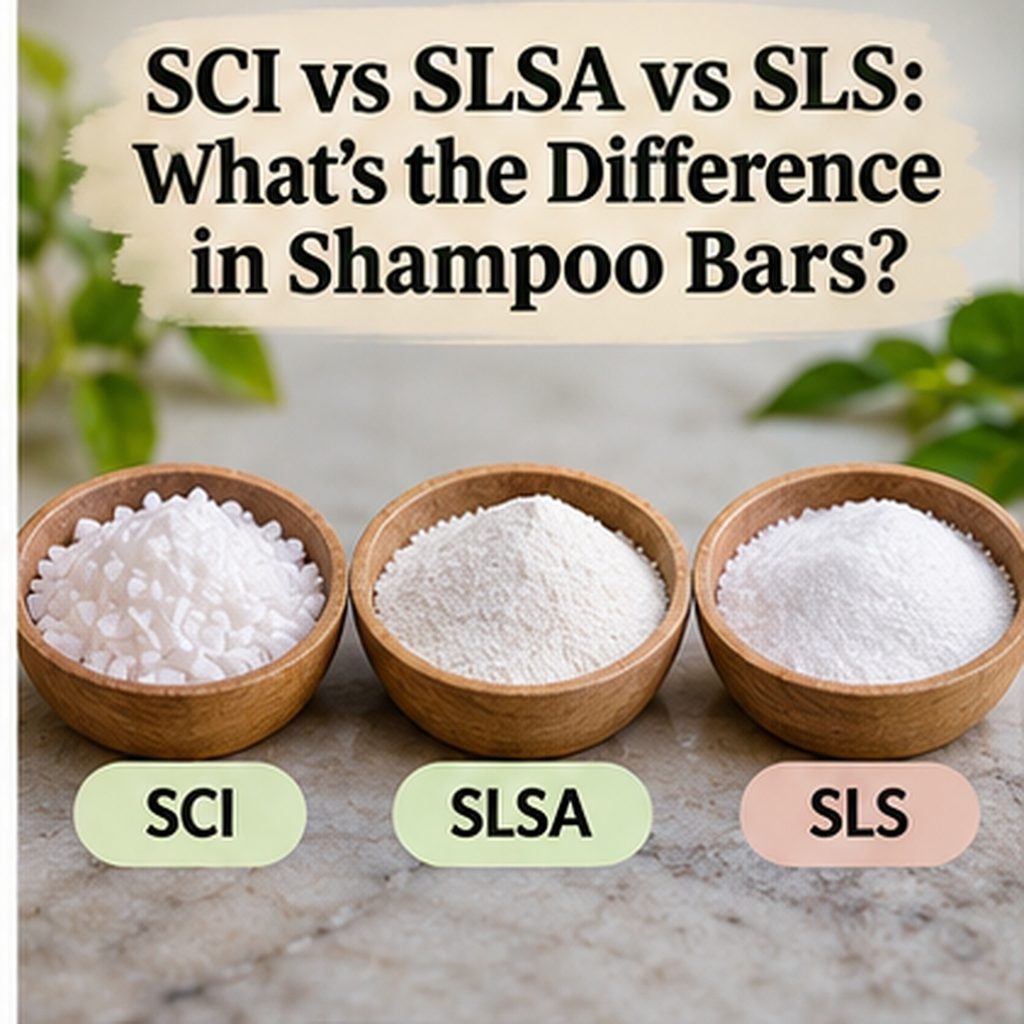
SCI, SLSA and SLS may sound similar, but they are not interchangeable. Learn how SCI and SLSA differ from SLS and why understanding the ingredient names matters in shampoo bars.

Dry or frizzy hair may still need conditioner after using a shampoo bar because cleansing and conditioning perform different roles. Conditioner helps improve smoothness after washing.

Shampoo bars do not automatically dry out the hair, but cleansing can remove both dirt and natural oils. Hair type and follow-up conditioning make an important difference.

Shampoo bars can work well for oily scalp because the solid format can hold ingredients such as clay and activated charcoal more easily than liquid shampoo.

Herbal powders can settle at the bottom of liquid shampoo, while a solid shampoo bar can hold them more evenly throughout the product. Learn why the format makes such a difference.

pH plays an important role in how a shampoo bar behaves on the hair. Learn why the preferred range matters and how it differs from soap-type solid cleansers.

Shampoo bars and soap bars may look similar, but they can use different cleansing systems and pH ranges. Learn why appearance alone does not tell you how a solid bar will behave on hair.
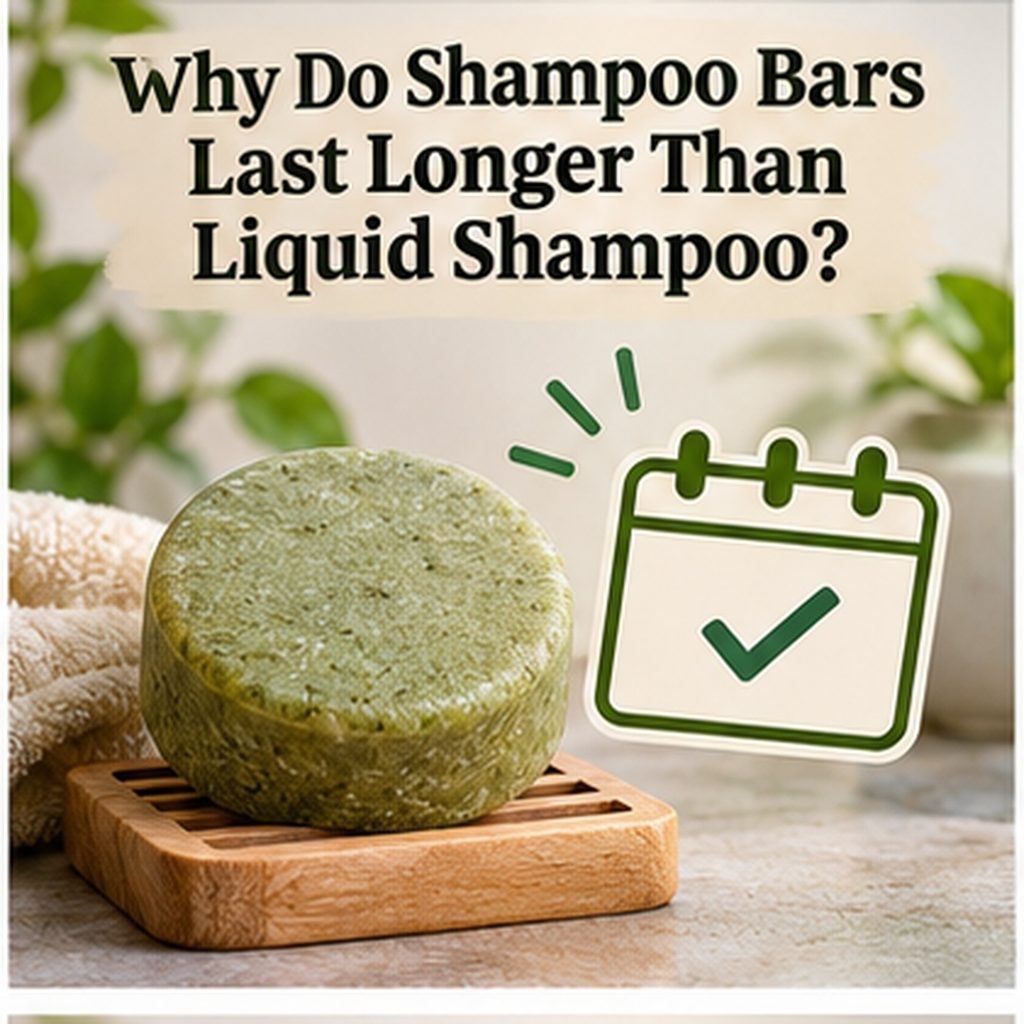
Shampoo bars often last longer because they are concentrated solid products and only a small amount transfers during each wash. Proper drying between uses also helps preserve the bar.
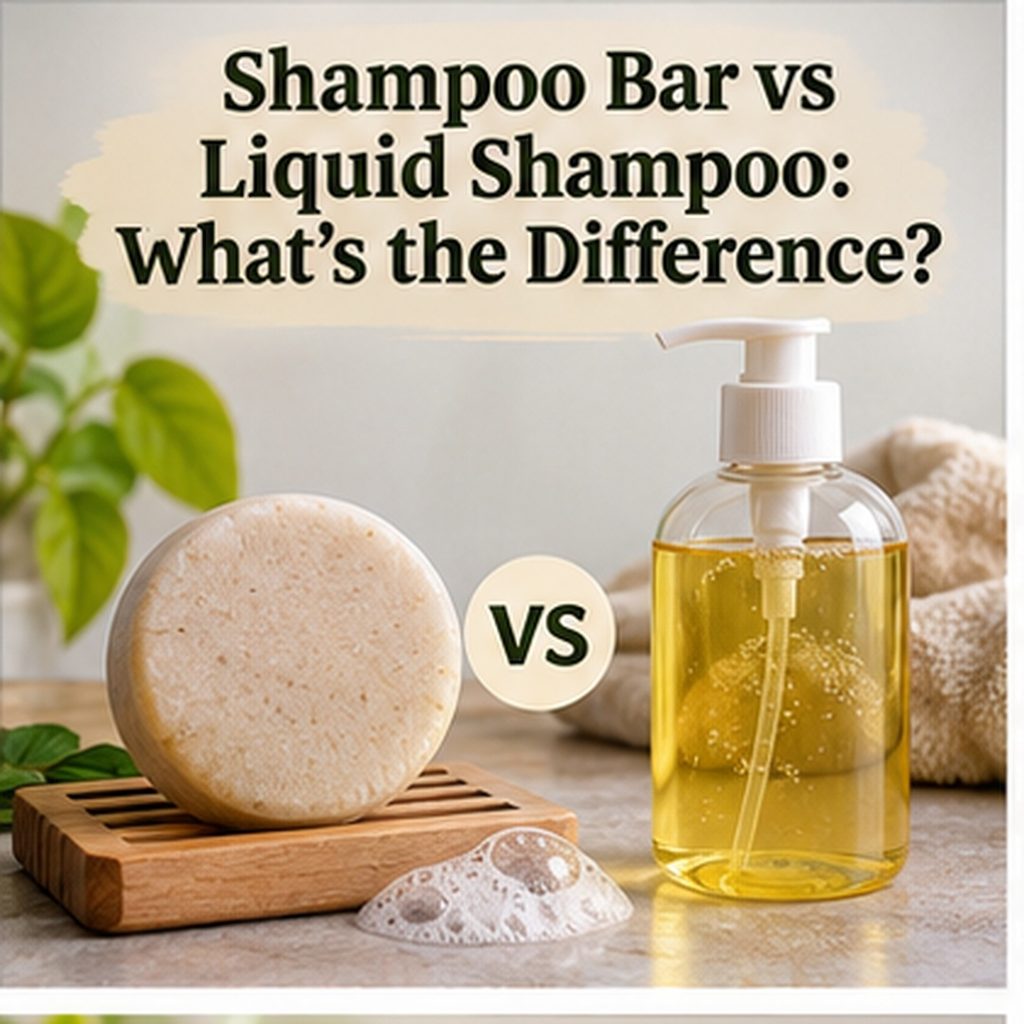
Shampoo bars and liquid shampoos both cleanse the hair, but they differ in concentration, packaging, longevity and how easily herbs and clays can be incorporated.