
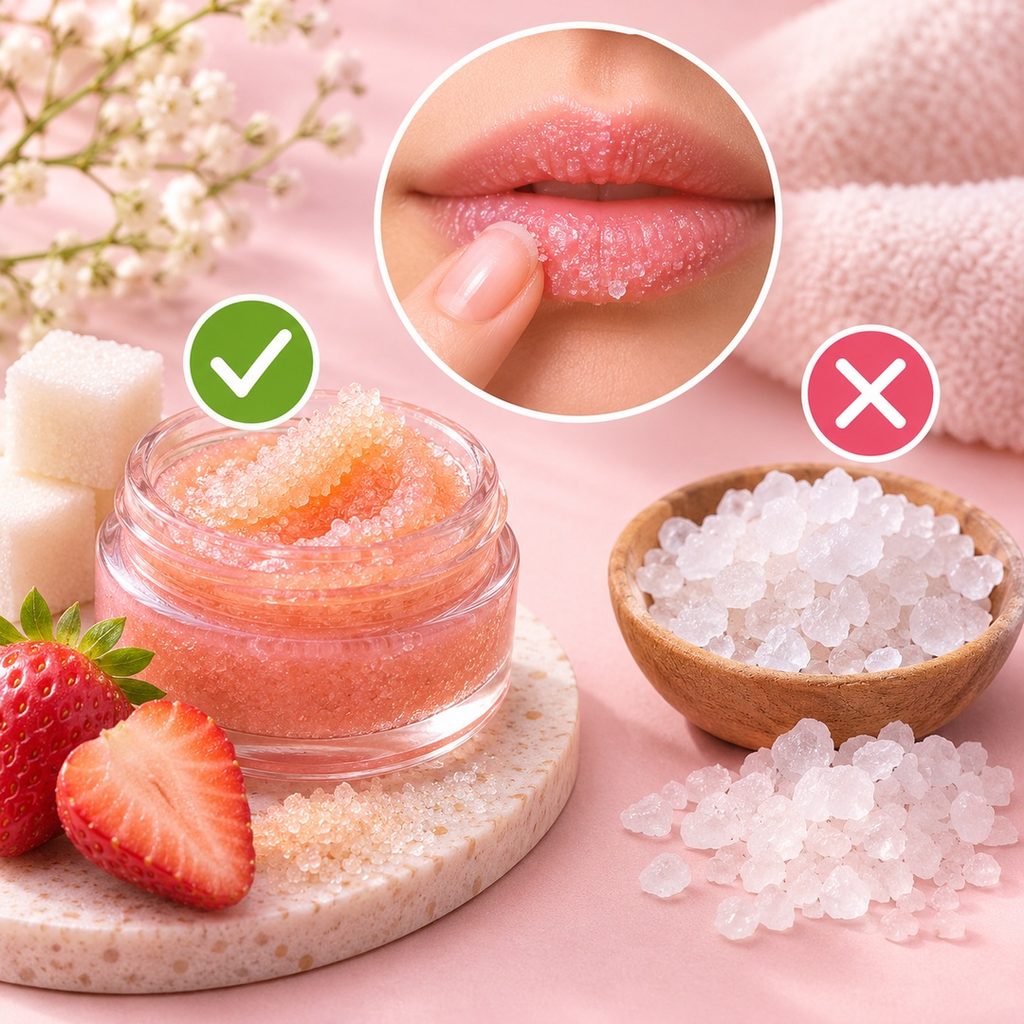
Why Is Sugar Better Than Salt for a Lip Scrub?
Sugar is generally more suitable than salt for lip scrubs because salt can sting cracked lips and feel unpleasant around the mouth. Particle size also matters for gentle exfoliation.
Sugar is generally more suitable than salt for lip scrubs because salt can sting cracked lips and feel unpleasant around the mouth. Particle size also matters for gentle exfoliation.
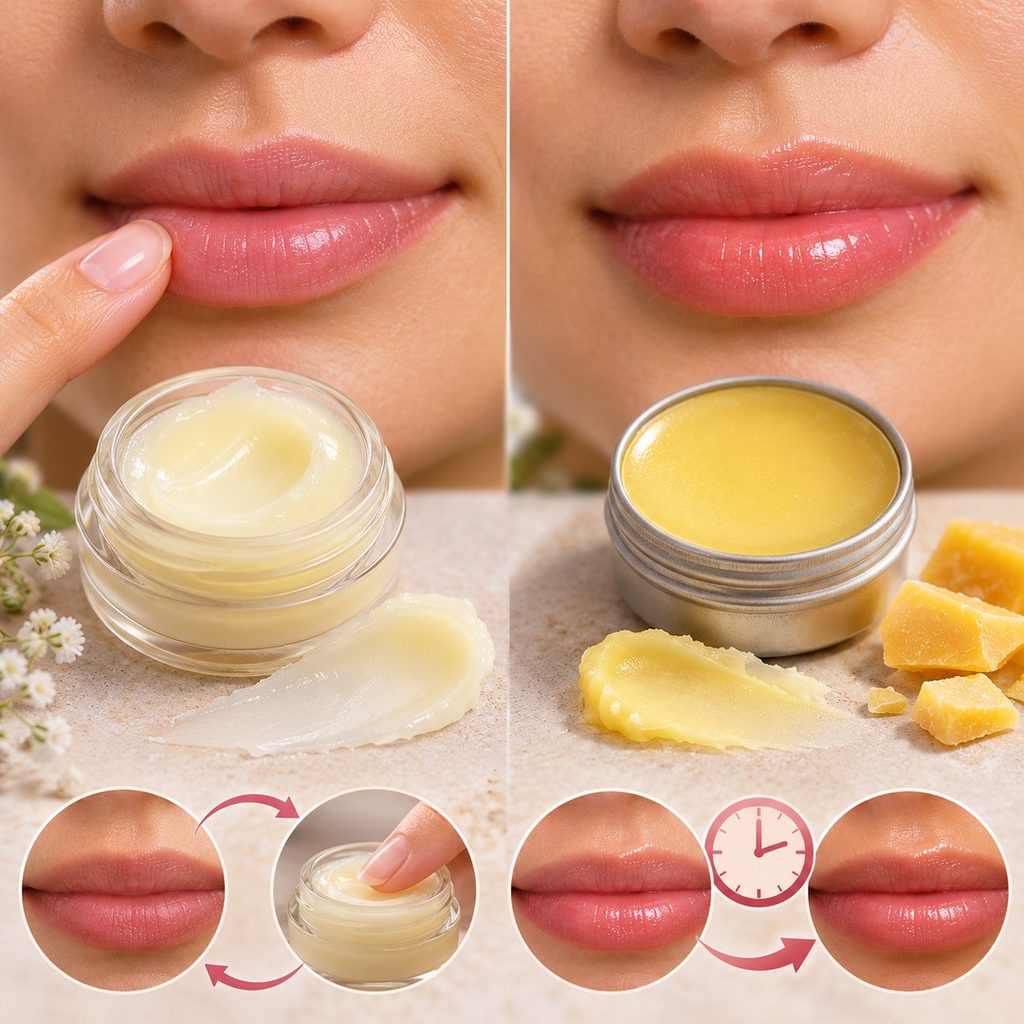
Some lip balms stay on the lips longer because they are thicker, waxier or stickier. Learn how texture, packaging and spreadability influence how often a balm needs reapplication.
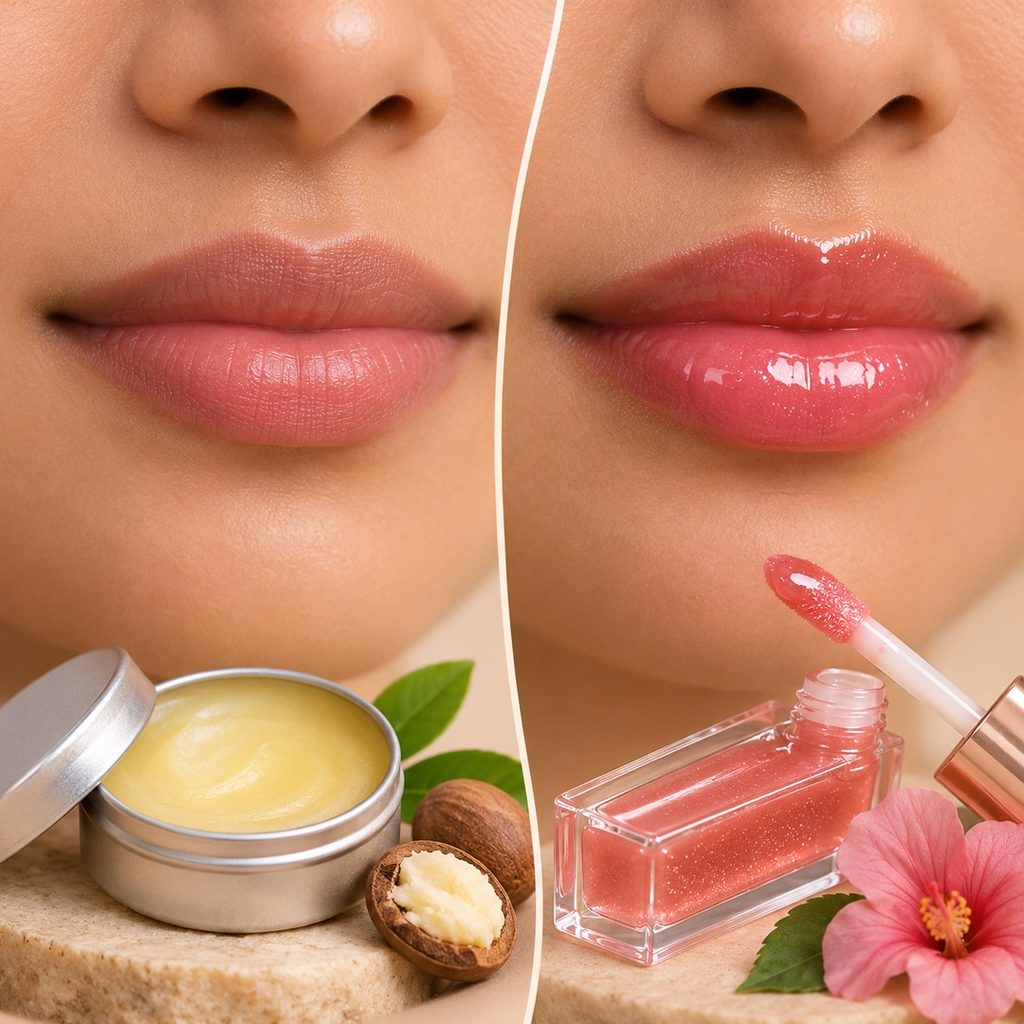
Lip balm mainly focuses on comfort and protection, while lip gloss is designed for visible shine and a more noticeable surface coating. Learn how their texture and use differ.

Herbal powders can settle at the bottom of liquid shampoo, while a solid shampoo bar can hold them more evenly throughout the product. Learn why the format makes such a difference.

Learn how beetroot lip balm works, why natural tint differs from lipstick, how waxes affect texture, and what causes common issues such as graininess and powder settling.

Ordinary moisturizer can disappear quickly from the lips, while lip balm creates a thicker protective coating. Learn why this makes balm more suitable for dry, cracked lips.

A vegan lip balm is not automatically natural. Learn the difference between vegan and natural lip balm and how ingredient origin affects each claim.
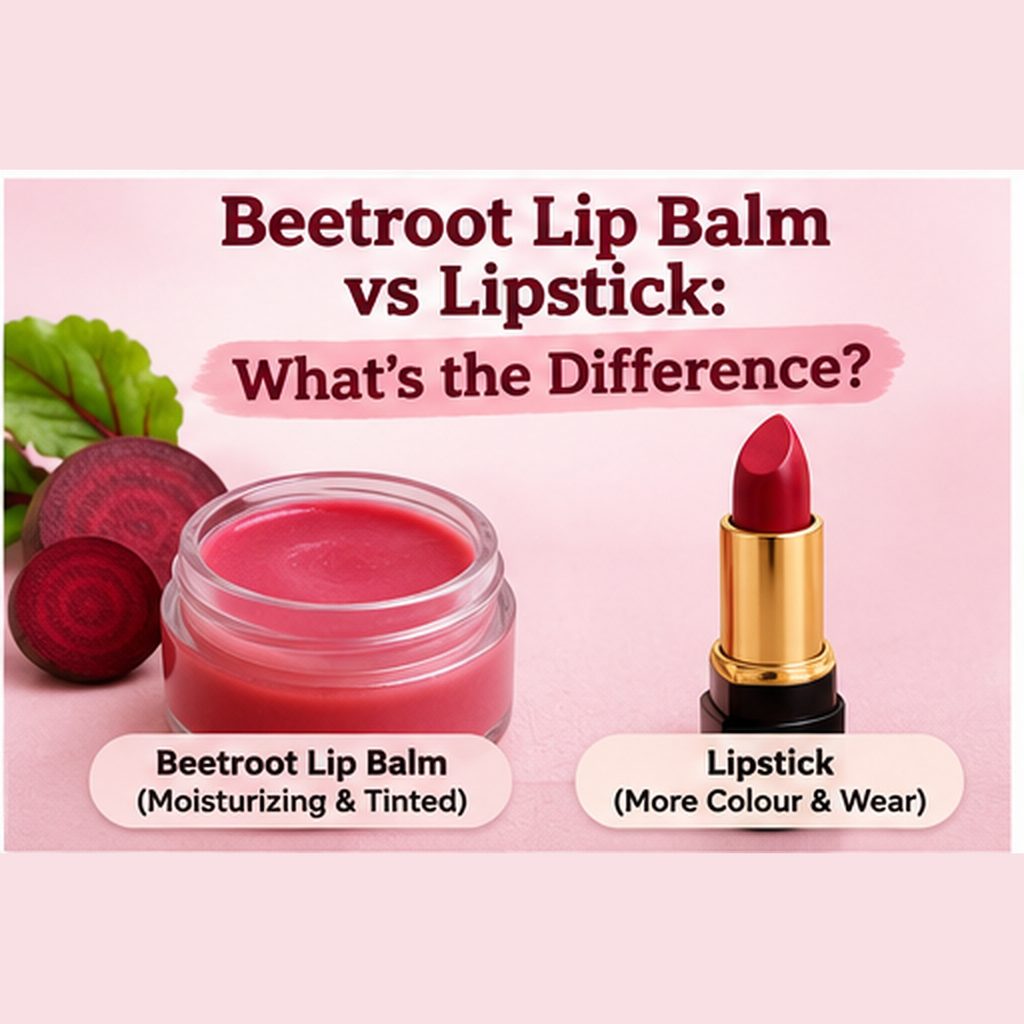
Beetroot lip balm and lipstick can both add colour, but they serve different purposes. Learn how they differ in moisturization, tint, texture and wear.

Beetroot powder adds natural tint to lip balm, but too much can create a grainy or gritty feel. Learn why powder level and fineness affect the final texture.

Beetroot powder can sink when the balm is too thin to hold the particles evenly. Learn why viscosity matters and how settling affects tint consistency.