
Nalpamaradi & Eladi Oils
Nalpamaradi and Eladi are traditional Ayurvedic herbal oils used for different skin concerns. Nalpamaradi is primarily associated with pigmentation, tanning and uneven-looking skin, while Eladi is more focused on irritated, itchy and troubled skin.
This learning hub brings together our guides on their uses, differences, ingredients and practical application, including how to choose between the two oils, facial and scalp use, carrier oils, skincare layering and how the appearance or quantity of an Ayurvedic oil can affect the way we perceive and use it.
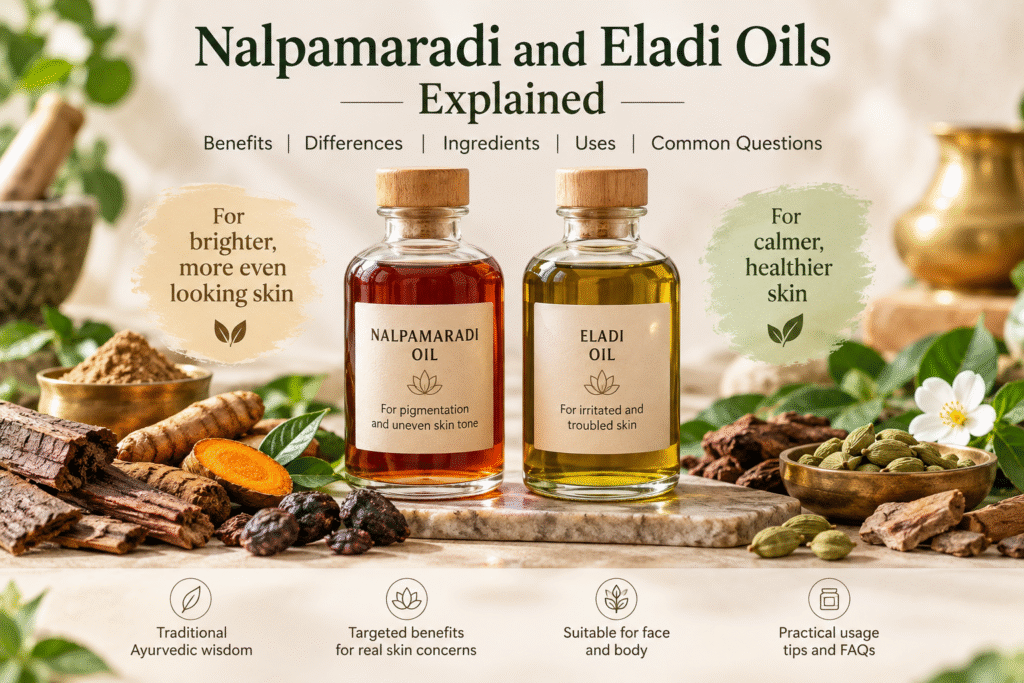
Start with our complete guide if you are new to Nalpamaradi and Eladi oils. It explains what distinguishes the two oils, their main uses, important ingredients, how they can be used on the face and body, carrier-oil choices and practical considerations when applying them.
Explore Nalpamaradi & Eladi Oil Guides
Have a specific question? Explore our focused guides to choosing between Nalpamaradi and Eladi, pigmentation and acne marks, facial and scalp use, application quantity, skincare layering, carrier oils and some common assumptions about traditional Ayurvedic oils.
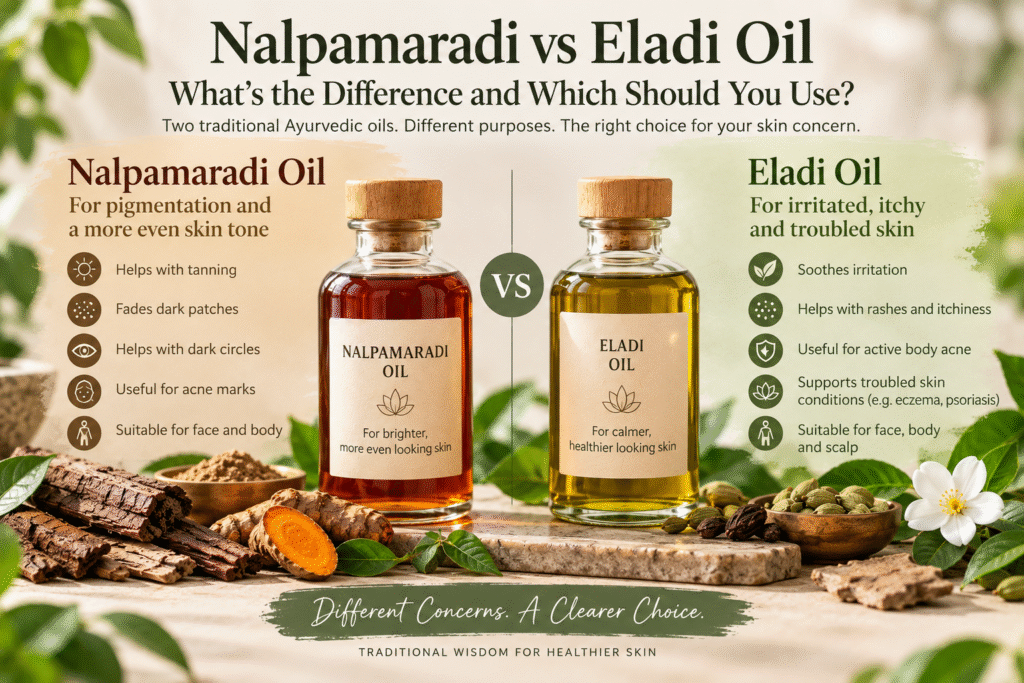
Nalpamaradi vs Eladi Oil: What’s the Difference and Which Should You Use?
The two oils have overlapping benefits but different primary purposes. Learn how the skin concern you are trying to address can help you decide between them.
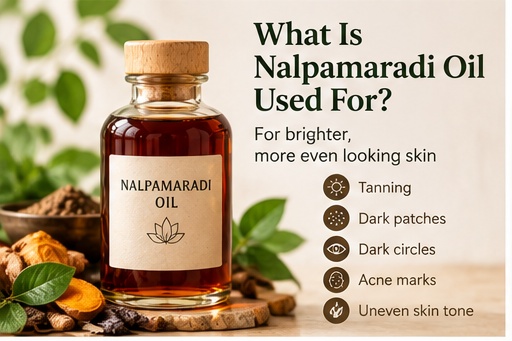
What Is Nalpamaradi Oil Used For?
Explore the main uses of Nalpamaradi oil, including tanning, pigmentation, dark patches, dark circles, acne marks and uneven-looking skin.
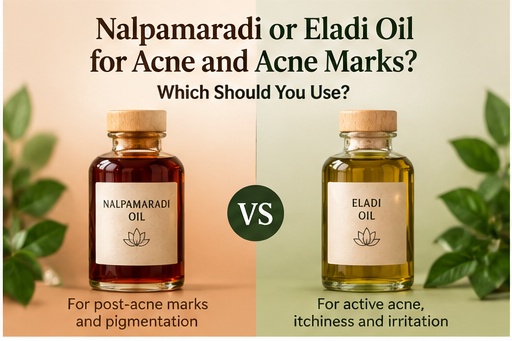
Nalpamaradi or Eladi Oil for Acne and Acne Marks: Which Should You Use?
Active acne and the pigmentation left after acne are different concerns. Understand why that distinction matters when choosing between Eladi and Nalpamaradi.
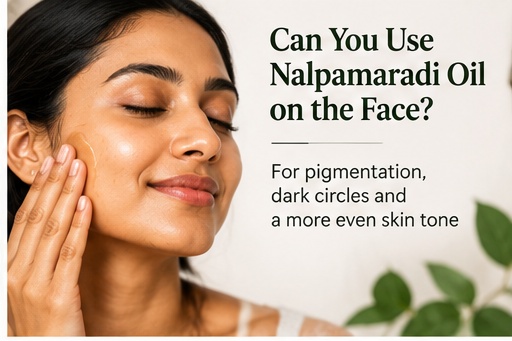
Can You Use Nalpamaradi Oil on the Face?
Learn when Nalpamaradi can be used on the face, the concerns for which it is used and some practical considerations around application.
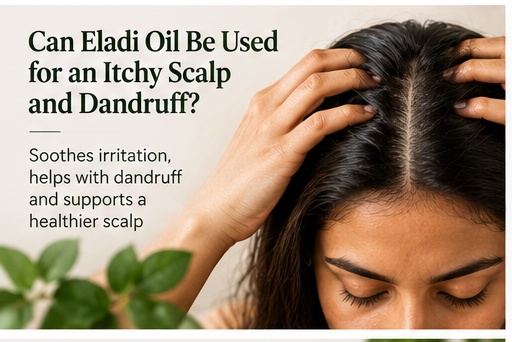
Can Eladi Oil Be Used for an Itchy Scalp and Dandruff?
Eladi isn’t limited to facial and body use. Learn how it can be used when concerns such as itching, irritation and dandruff affect the scalp.
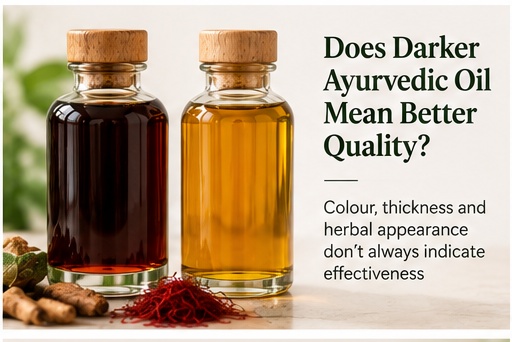
Does Darker Ayurvedic Oil Mean Better Quality?
A darker colour, thicker texture or visible herbs can make an oil appear richer or more authentic. Learn why appearance alone doesn’t necessarily tell you how effective an Ayurvedic oil will be.
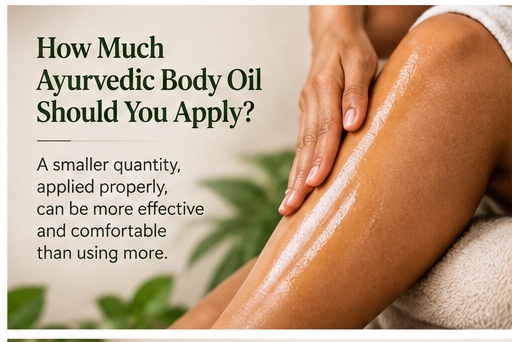
How Much Ayurvedic Body Oil Should You Apply?
More oil doesn’t automatically mean more benefit. Learn how application quantity affects the way a body oil feels and why a smaller amount spread thoroughly may be sufficient.

Should You Apply a Gel Before or After Face Oil?
If you use both a water-based gel and a facial oil, their order matters. Learn which comes first and how layering differs from mixing the two products together.
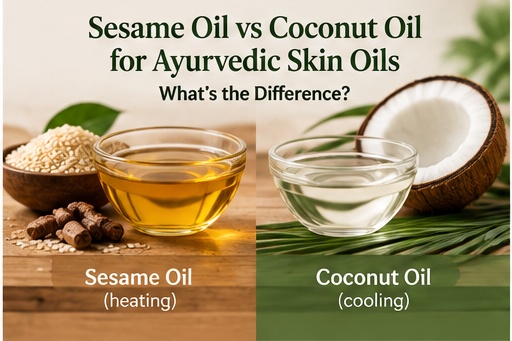
Sesame Oil vs Coconut Oil for Ayurvedic Skin Oils: What’s the Difference?
Compare two traditional carrier-oil choices and understand how they differ in seasonal use, skin feel, smell, cold-weather behaviour and considerations for oily or acne-prone skin.
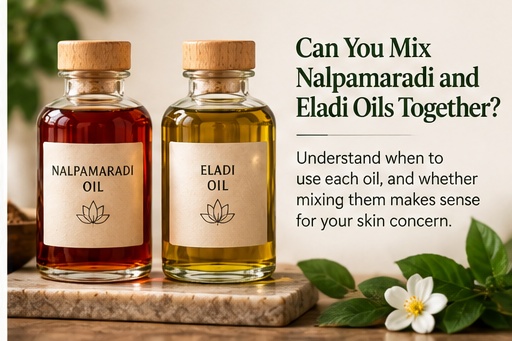
Can You Mix Nalpamaradi and Eladi Oils Together?
The oils can be combined, but that doesn’t necessarily mean they always need to be. Learn why identifying the dominant skin concern can help you decide whether to use them together or separately.
Learn to Make Nalpamaradi & Eladi Oils
These public guides are designed to help you understand the oils, their ingredients, uses and practical principles without reproducing the complete formulations or manufacturing process.
If you want to move from understanding the oils to learning the practical making process, explore the Nalpamaradi Oil & Eladi Oil Making Course.
The course takes the subject into the formulation and practical making process that isn’t reproduced in these public guides.