
Cold Process Soap
Cold process soap making is not simply about following a recipe. The oils and butters you choose can change the hardness, lather and skin feel of the finished bar. Fresh ingredients, powders, clays, scrubs and fragrance can change it further, while formulation choices can affect how the soap behaves during making and in use.
This learning collection brings together our guide and focused articles on the principles behind cold process soap—from understanding oils, lather and superfat to troubleshooting unexpected thickening, checking pH and planning artistic soap designs.
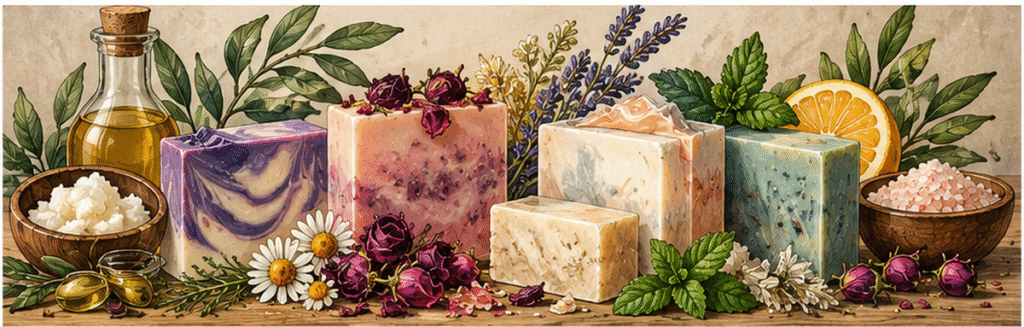
If you are new to the subject, begin with our main guide. It brings the key concepts together and explains how ingredient choices, formulation principles, lather, skin type, troubleshooting and artistic design relate to one another.
Understand Oils, Lather and Skin Feel
The oils and fats used in cold process soap influence much more than the ingredient list. They affect whether a bar is hard or soft, the kind of lather it produces and how the finished soap feels in use.
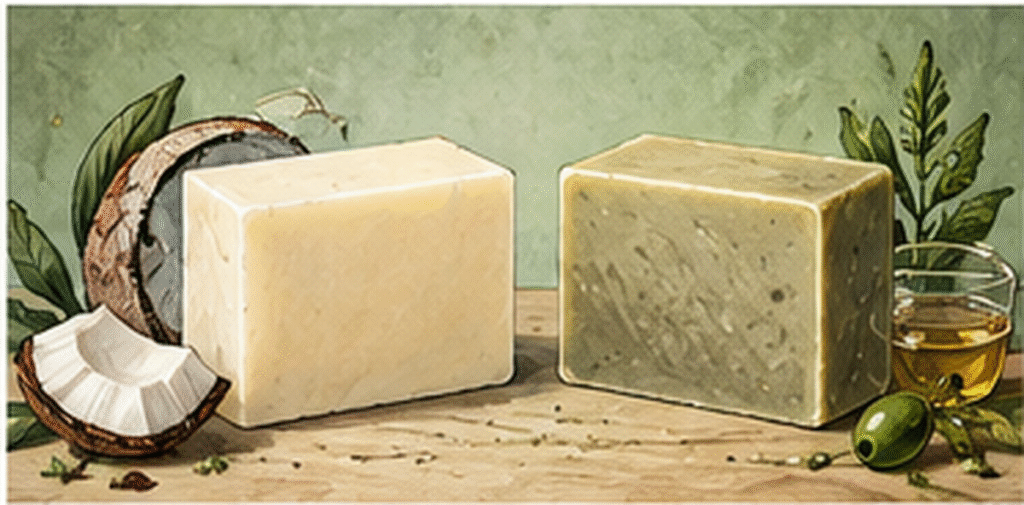
What Makes a Cold Process Soap Hard or Soft?
Understand the difference between hard and soft oils, why some ingredients contribute more hardness than others, and why creating a harder bar is ultimately a question of balance.
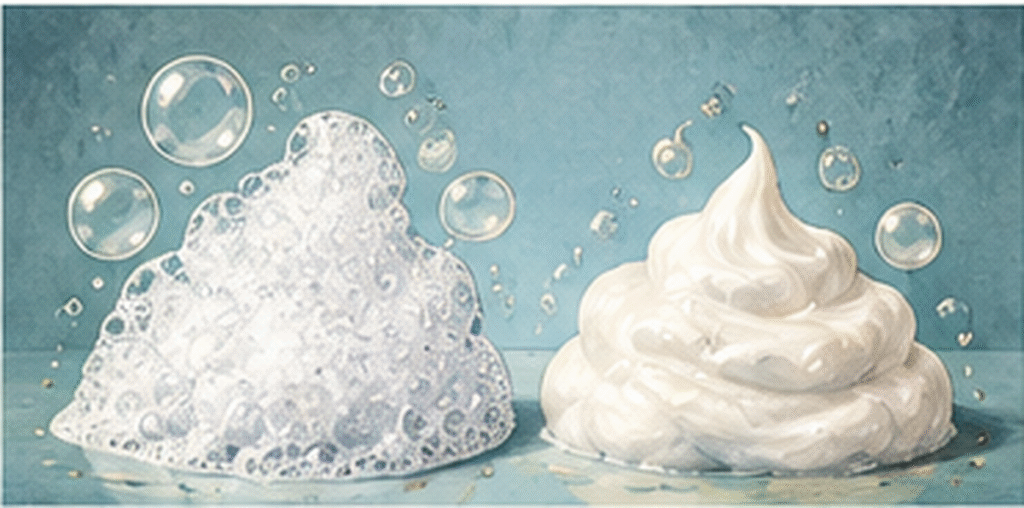
Why Do Some Soaps Have Bubbly Lather While Others Have Creamy Lather?
Not all lather is the same. Learn why one soap may produce abundant visible bubbles while another produces a denser, creamier lather.
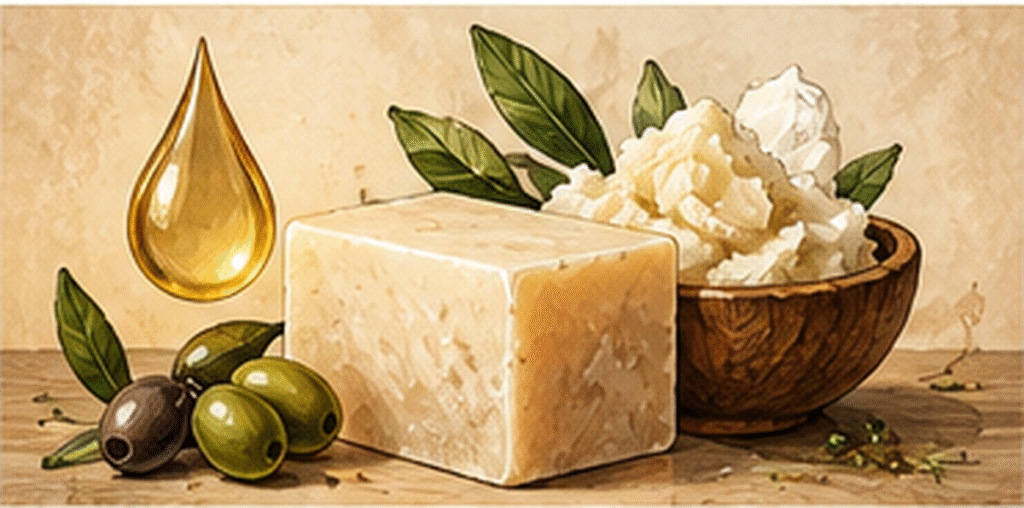
What Is Superfat in Soap and Why Does It Matter for Skin Type?
Superfat describes the idea of leaving some oil unconverted in the finished soap. Learn why this matters when thinking about skin feel and soaps intended for different skin needs.
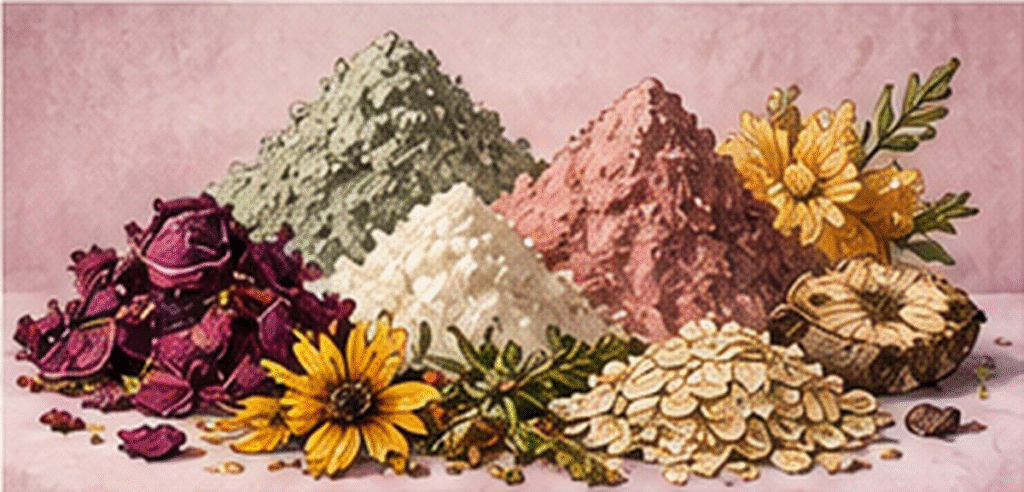
Can You Add Fresh Ingredients, Powders and Scrubs to Cold Process Soap?
Explore the different roles of liquids, fresh pastes and purées, botanical powders, clays and physical scrubs—and why adding more ingredients does not automatically make a better soap.
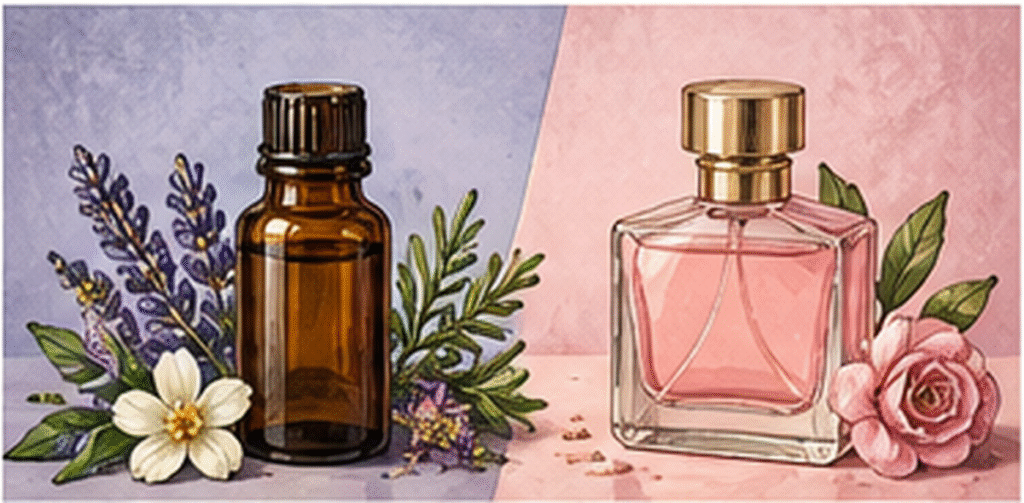
Essential Oils vs Fragrance Oils in Cold Process Soap
Both can give soap its scent, but they are not interchangeable. Learn how they differ and why fragrance choice can also affect the behaviour of soap while you are making it.
Does Cold Process Soap Need Added Glycerin?
Glycerin is already produced during soap making. Understand why adding more is not automatically necessary and how additional glycerin can change the finished bar.
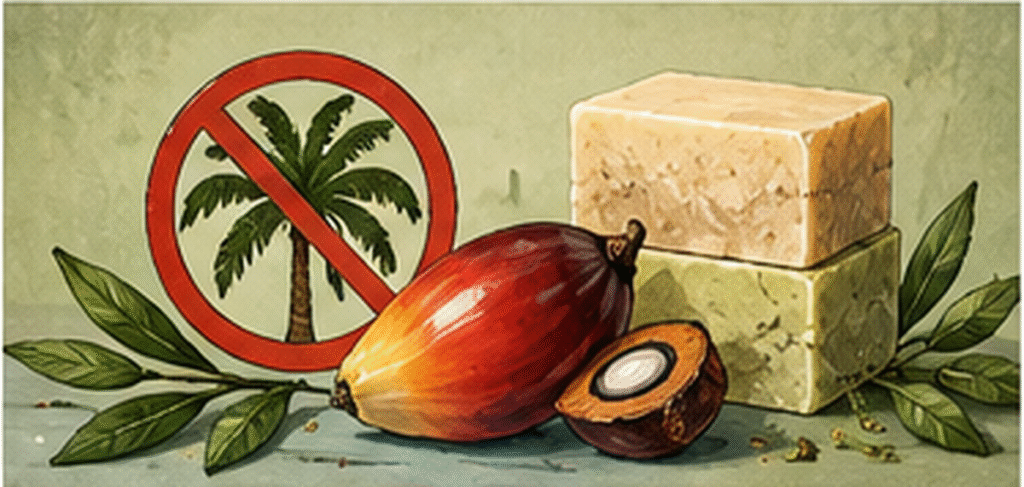
Palm-Free Soap: What Trade-Offs Should You Expect?
Cold process soap can be made without palm oil, but removing it can affect characteristics such as hardness and how long the bar lasts. Learn why replacing an ingredient does not necessarily preserve every property of the original soap.
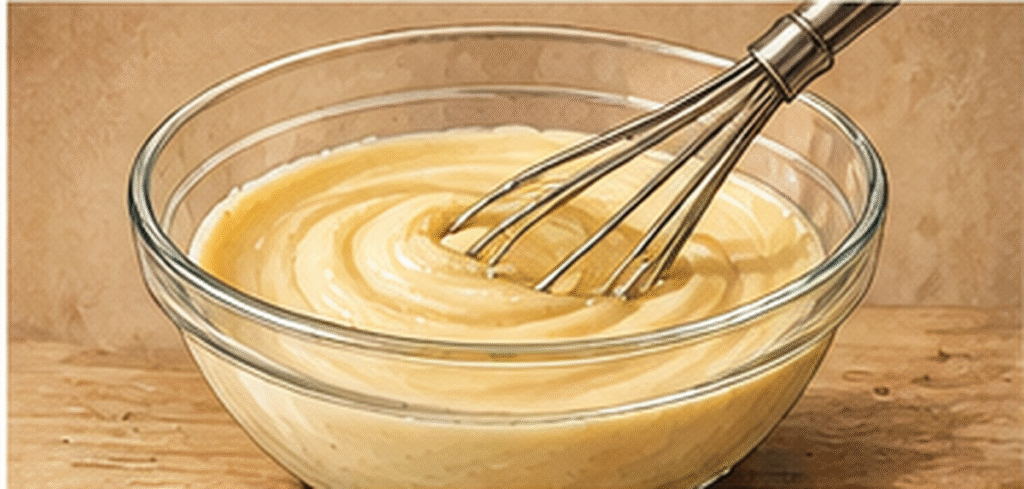
Why Does Cold Process Soap Suddenly Thicken?
Over-blending and certain fragrances can cause soap to become thick much faster than expected. Learn why this can ruin an intended design without necessarily ruining the soap itself.
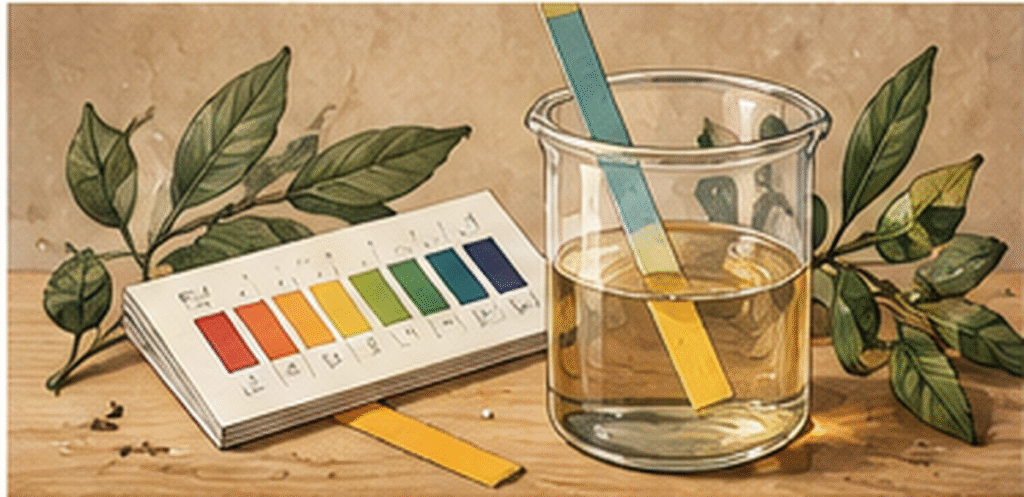
Why Is pH an Important Check in Cold Process Soap?
Appearance alone cannot tell you whether a soap has been made correctly. Learn how pH can help identify a possible measurement or formulation problem and why an ugly soap and an incorrectly made soap are not the same thing.
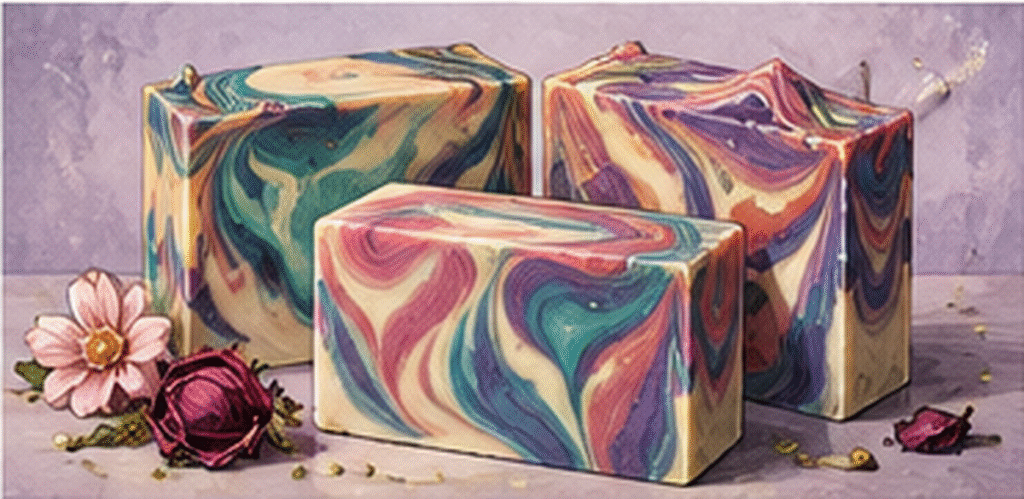
How Do You Plan an Artistic Cold Process Soap Design?
Learn how to take inspiration from scenery, photographs, colours or other visual ideas and break them into gradients, textures and recognizable elements that can inform an artistic soap design.
Want to Learn How to Make Cold Process Soap?
Want to Learn How to Make Cold Process Soap?
The articles in this learning hub are designed to help you understand the principles behind cold process soap—how ingredients behave, what affects lather and hardness, and why common problems occur. They intentionally do not publish the complete formulations, detailed making process or supplier information taught in the course.
Our Cold Process Soap Making Course is one of Zestchest’s best-selling courses, and hundreds of students have used the learning from the course to make their own soaps, including students who have gone on to make and sell their products.
If you are ready to move from understanding the principles to actually making cold process soap, the course provides structured instruction covering the formulations, practical making process and supplier details needed to get started.