
Body Yogurt
Body yogurt is a lightweight moisturizing format designed to provide the comfort and moisturization of a cream while absorbing faster and leaving less persistent oiliness on the skin.
But what exactly makes a product a body yogurt? Does it actually contain yogurt? How is it different from body butter or lotion? Can you use it on the face? And why do some body yogurts look almost like gels while others are much creamier?
This learning hub brings together our complete Body Yogurt Guide and focused Knowledge Articles to help you understand the texture, skin feel, ingredient choices, skin-type considerations and practical differences between body yogurt and other moisturizers.
If you are new to body yogurt, begin with our complete guide.
It brings the key concepts together—from what body yogurt actually is and why it feels lighter to how it compares with body butter and lotion, how texture changes, and how different versions may suit different skin types.
Understand What Body Yogurt Is
Before comparing products or choosing a texture, it helps to understand what the term “body yogurt” actually means.
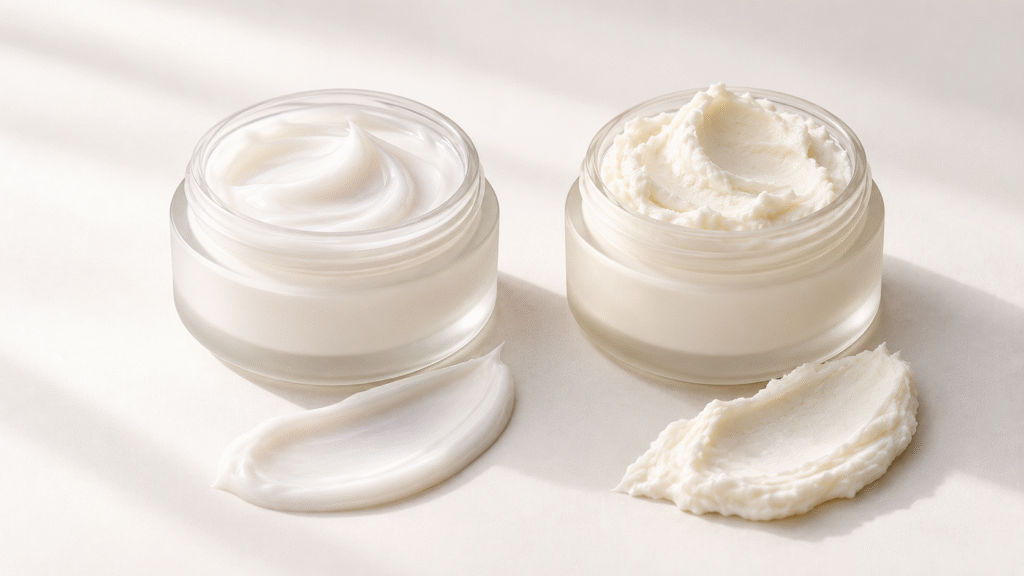
What Is Body Yogurt and Why Is It Called Yogurt?
Body yogurt is defined more by its texture and skin feel than by one particular ingredient. Learn why the word “yogurt” describes its soft, smooth appearance and how this moisturizing format sits between a light gel cream and a conventional cream.
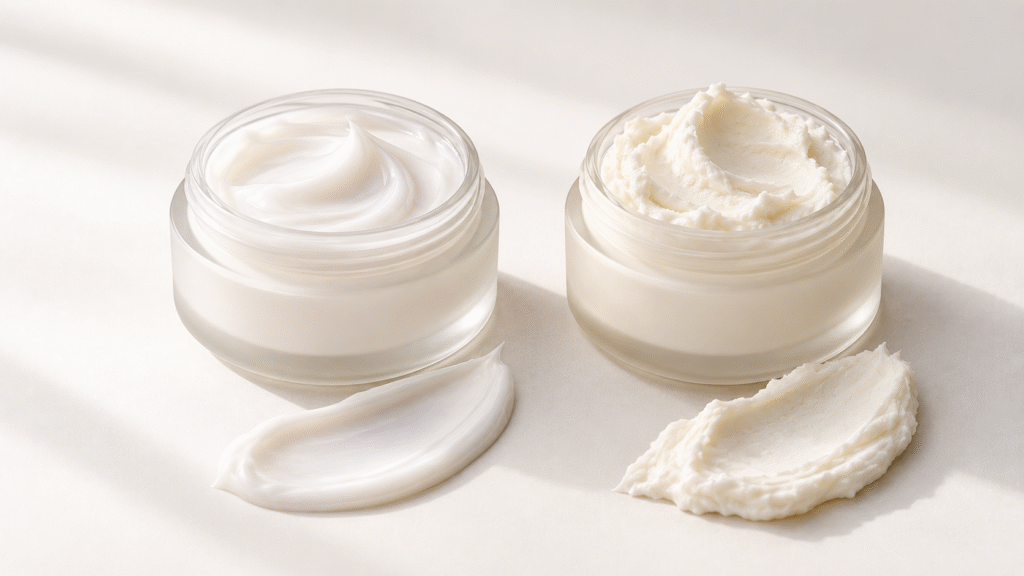
Does Body Yogurt Actually Contain Yogurt?
Despite the name, body yogurt does not necessarily contain yogurt. Understand why the term is primarily used to describe the product’s texture and why fresh yogurt or curd is not what defines this cosmetic format.
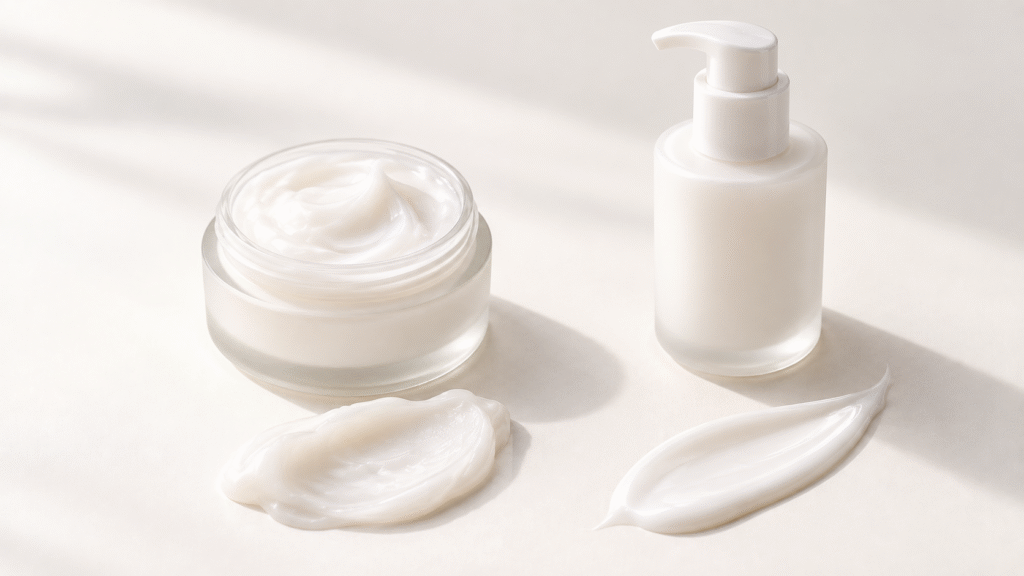
Body Yogurt vs Body Butter: What’s the Difference?
Body butter generally sits at the richer, heavier end of the moisturizing spectrum, while body yogurt is designed to leave less persistent oiliness after application.
Learn how their texture, richness and skin feel differ and why neither format is automatically better for everyone.
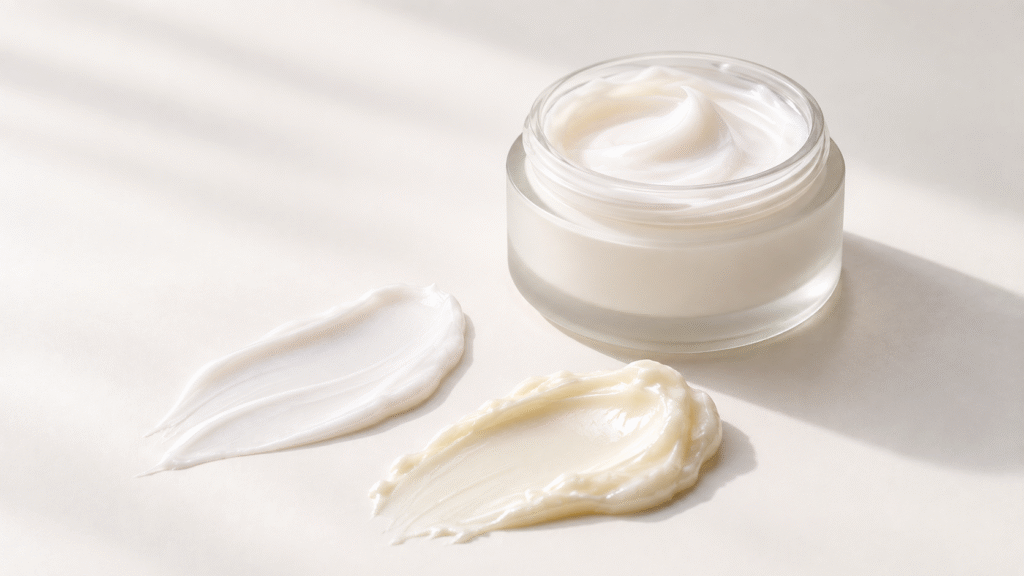
Body Yogurt vs Lotion: Which Is Better in Summer?
Both lotion and body yogurt can work as moisturizers, but body yogurt can have a sensory advantage in hot weather when a glossy or heavy finish feels uncomfortable.
Learn how the two formats compare and why climate, skin type and preferred finish matter.
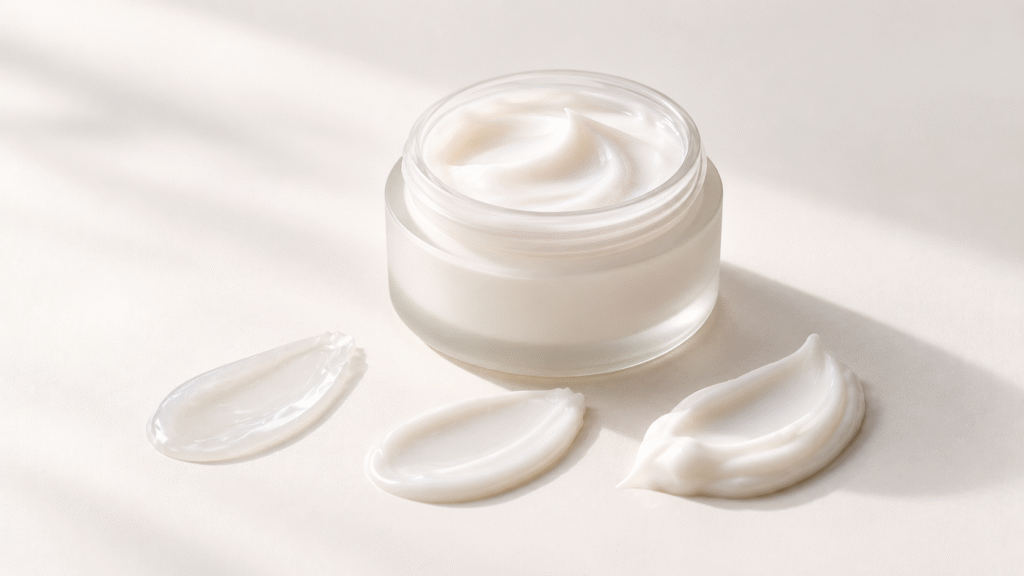
Why Does Body Yogurt Feel Less Greasy Than Body Butter?
A lightweight moisturizer is not simply a product with everything nourishing removed.
Learn how lighter-feeling emollients, humectants and the gel-like structure of body yogurt can contribute to moisturization without the same persistent heavy or oily feel associated with richer products.
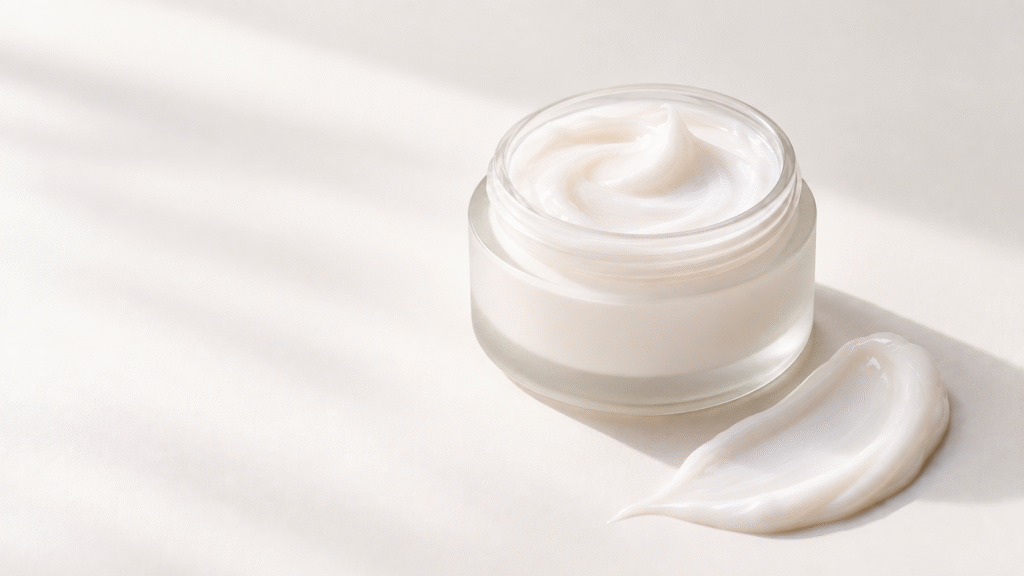
Can Body Yogurt Be Used on the Face?
A suitably designed body yogurt can also work as a light facial moisturizer.
Learn why its quick-absorbing, lower-grease finish may appeal to people who dislike shiny moisturizers and why very dry skin may still prefer something richer.
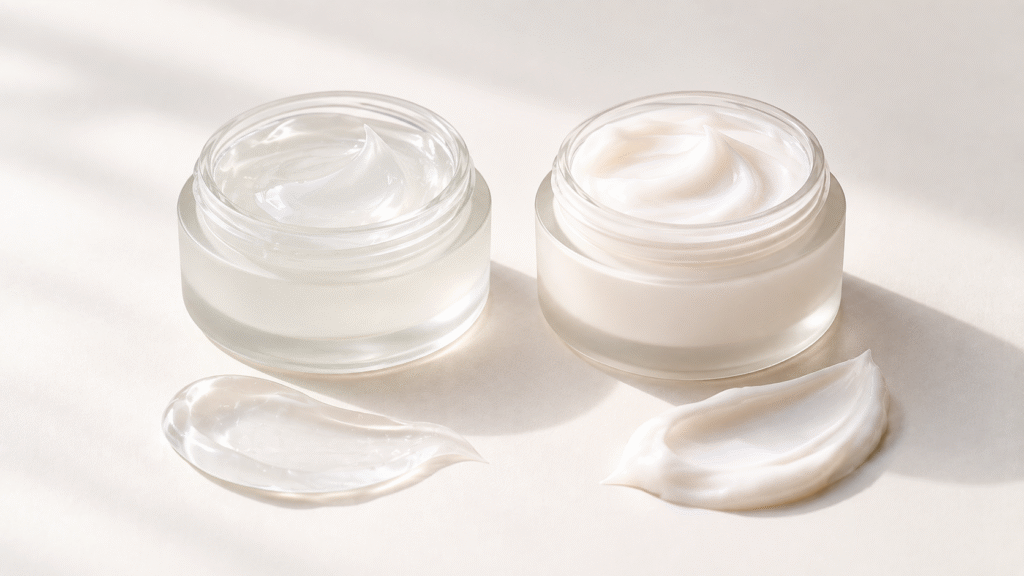
How Do You Choose a Body Yogurt for Your Skin Type?
Oily skin may prefer a lighter, more gel-like and matte texture, while dry or mature skin may feel more comfortable with a richer version.
Explore how body-yogurt texture can be considered for oily, normal, dry, mature and sensitive skin
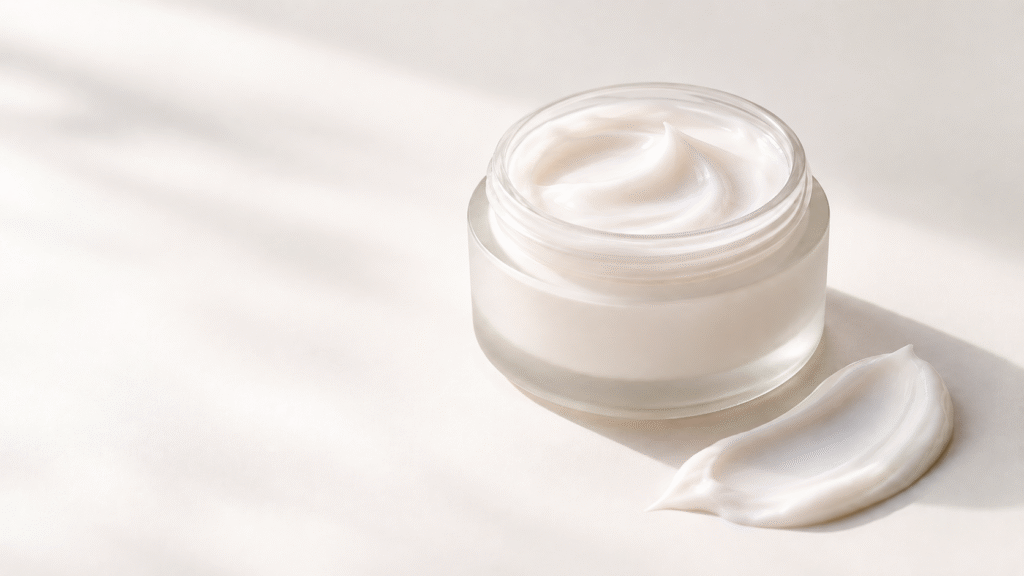
Why Do Some Body Yogurts Look Like Gel While Others Look Like Cream?
Some body yogurts appear light, almost translucent and gel-like. Others are more opaque, rich and creamy.
Learn how the balance of the structuring system, oils, butters and other ingredients changes both the appearance and skin feel of the finished product.
Want to Learn How to Make Body Yogurt?
The articles in this learning hub are designed to explain the principles behind body yogurt—its texture, skin feel, ingredient roles, differences from other moisturizers and considerations for different skin types.
They intentionally do not publish the complete course formulation or detailed manufacturing process.
If you want to move from understanding body yogurt to learning how to formulate it practically, explore the ZestChest Institute Body Yogurt Course.