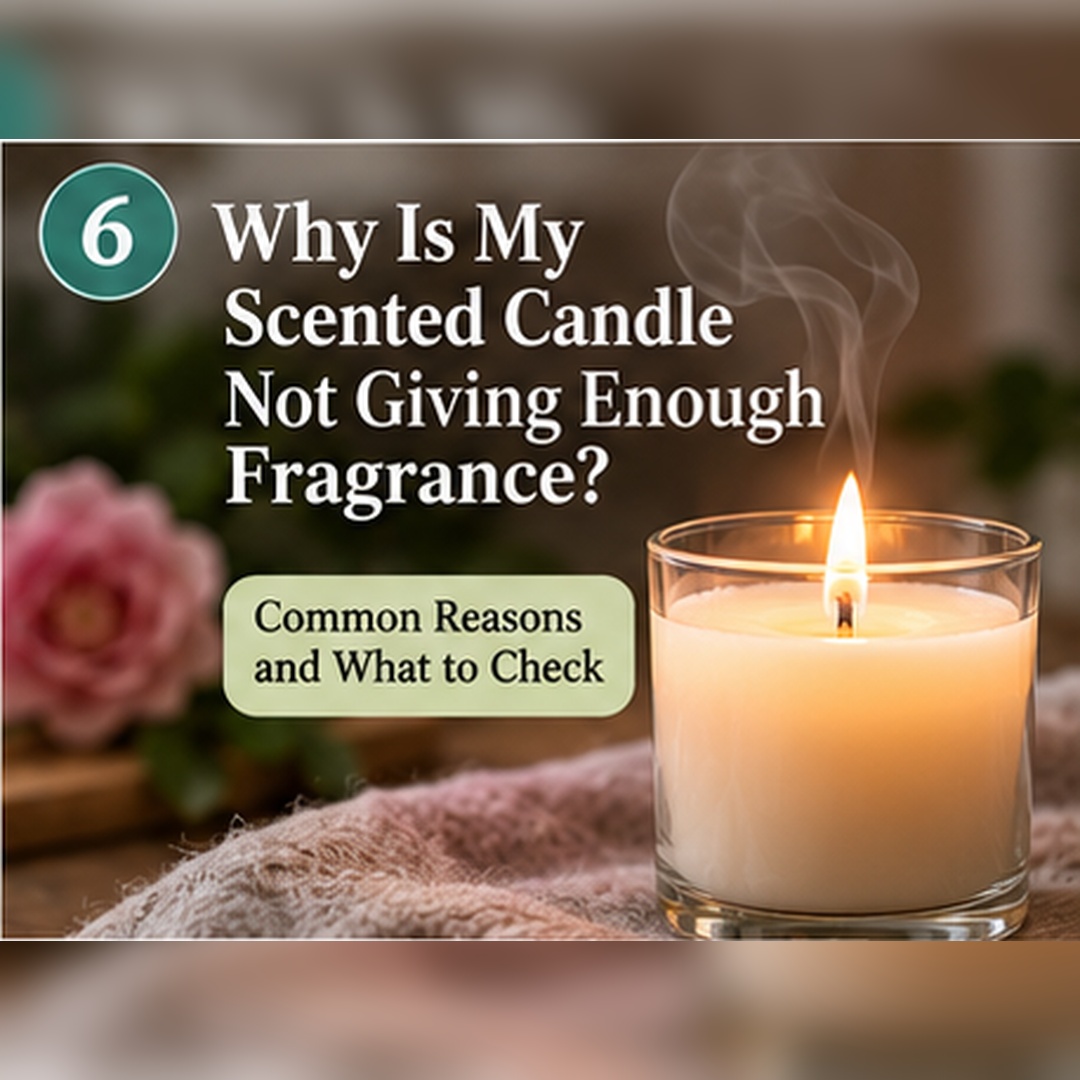
A scented candle can appear weak for several different reasons. The problem is not always that too little fragrance was used.
The wax may not have formed a sufficient melt pool, the wick may be unsuitable for the candle’s width, or the type of wax itself may give a different fragrance performance.
First Check Whether the Candle Has Had Time to Melt
A newly lit candle cannot be judged immediately.
While the candle is still mostly solid, you may be able to smell it when you bring it close to your nose, but that is its cold throw.
Hot throw develops as the candle burns and the wax around the wick becomes liquid.
A broad candle may need more time than a narrow candle to develop this melted surface.
Look at the Melted Surface
If the candle has been burning but only a tiny circle around the wick has melted, that can explain weak aroma.
There simply is not much melted wax contributing to the fragrance throw.
This is why a fragrance issue can sometimes be a wick issue.
A wick that is too small for a broad candle may produce a narrow melt pool and eventually cause the candle to become hollow through the centre.
Wax Choice Also Changes Fragrance Performance
The workshop compares paraffin, soy and beeswax and notes that they do not all throw fragrance in exactly the same way.
Paraffin is described as giving a stronger aroma throw, while soy and beeswax give a more moderate fragrance performance.
This is one reason candle makers sometimes consider wax characteristics alongside fragrance when designing a scented candle.
Essential Oil and Candle Fragrance Do Not Smell Equally Strong
The scent material itself also matters.
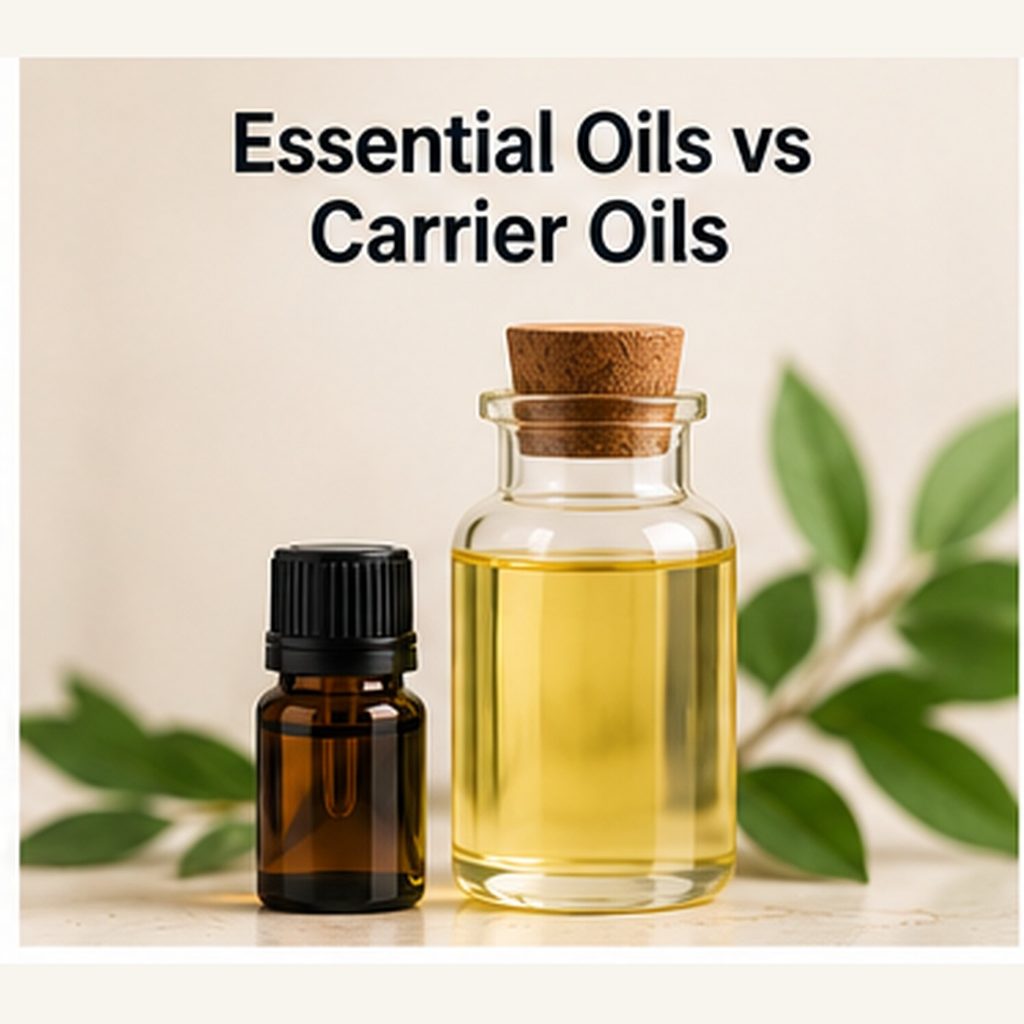
Essential oils are described in the workshop as giving a subtler, milder aroma.
Synthetic candle fragrances generally provide a stronger scent.
So a candle made with essential oil should not automatically be expected to smell identical to a candle made with a stronger candle fragrance.
Do Not Diagnose Every Weak Candle the Same Way
When a candle does not seem fragrant enough, look at the whole product before deciding what is wrong.
Ask:
- Has it formed a useful wax pool?
- Is the wick suitable for the width?
- Is the candle tunnelling?
- What type of wax is being used?
- Is the scent coming from an essential oil or a stronger candle fragrance?
A good scented candle depends on these elements working together.
Simply adding more fragrance is not always the correct diagnosis.