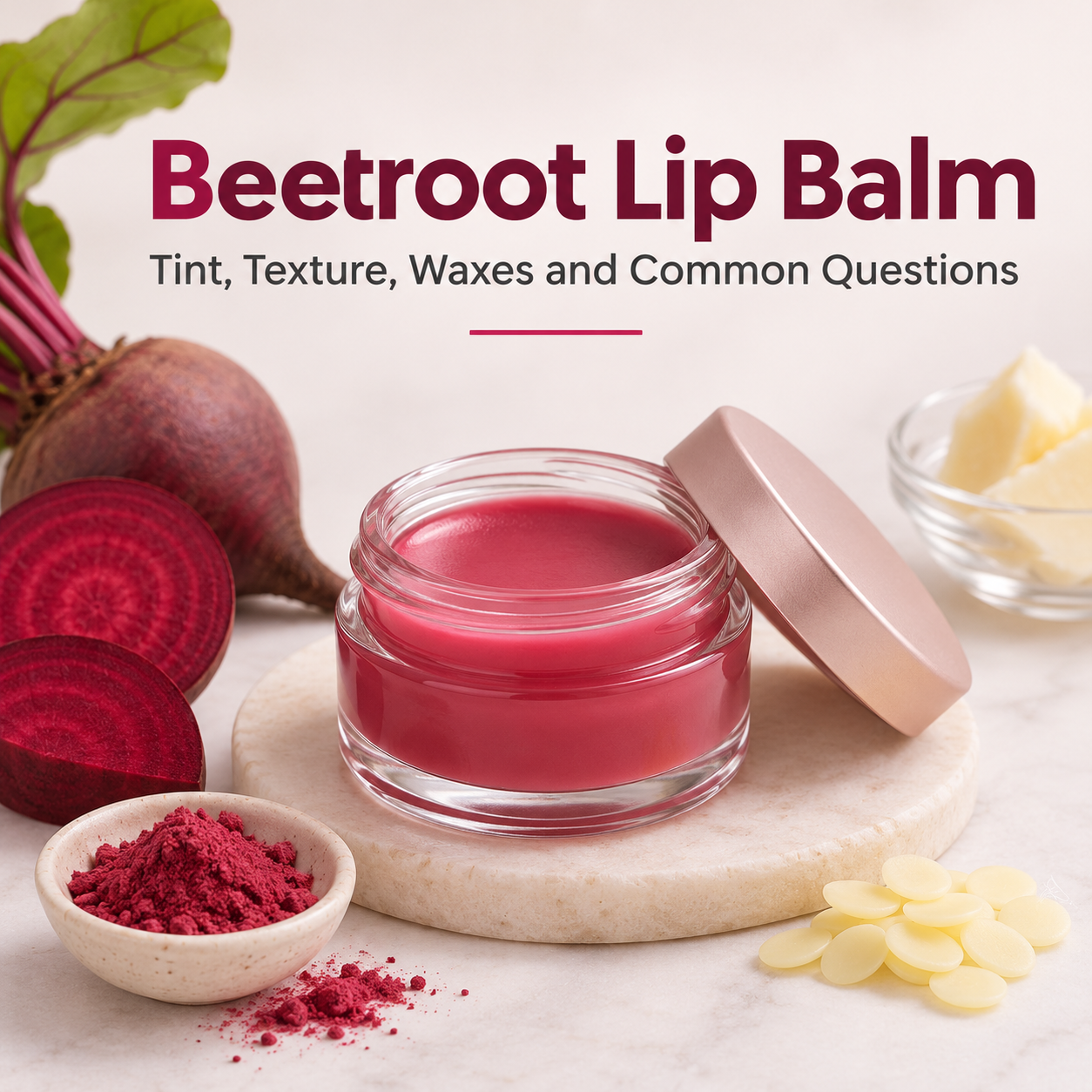
Beetroot lip balm combines everyday lip moisturization with the possibility of a soft natural tint.
But creating or choosing a good beetroot lip balm involves more than simply adding beetroot to a balm. The form of beetroot used affects the colour, different waxes change the texture and vegan status, natural powders can create settling or graininess, and a tinted lip balm behaves very differently from lipstick.
This learning hub brings together our detailed guides on beetroot lip balm, natural tinting, wax selection, texture problems and everyday lip care.
Beetroot Lip Balm Knowledge Guides
Beetroot Powder vs Fresh Beetroot Juice in Lip Balm: What’s the Difference?
Beetroot powder and fresh beetroot juice serve different purposes in a lip balm.
Learn which form is mainly responsible for visible tint and why fresh beetroot and beetroot powder should not be considered interchangeable.
Read: Beetroot Powder vs Fresh Beetroot Juice in Lip Balm
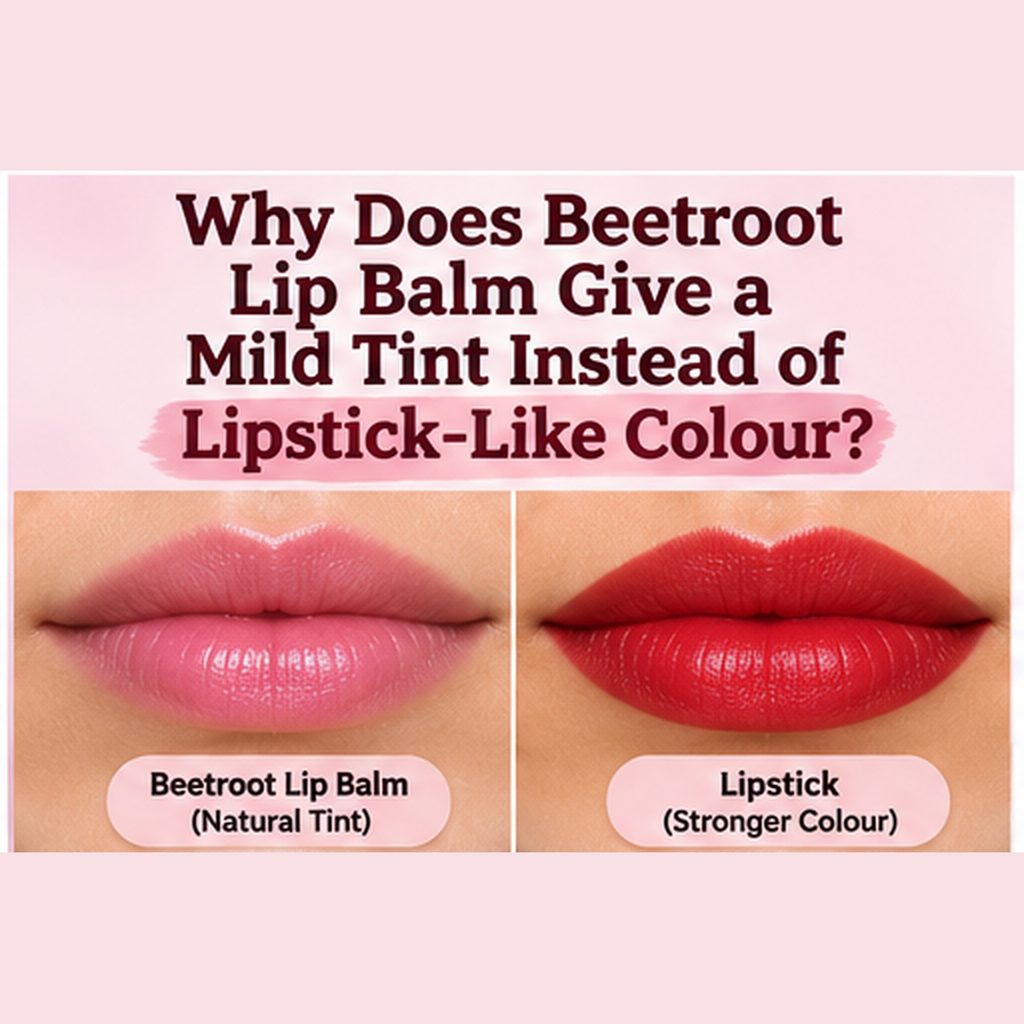
Why Does Beetroot Lip Balm Give a Mild Tint Instead of Lipstick-Like Colour?
Natural beetroot tint is usually softer than highly pigmented lipstick colour.
Learn why beetroot gives a pinkish or reddish tint, why natural colour has limitations and why adding more beetroot powder is not always the best way to make a balm darker.
Read: Why Does Beetroot Lip Balm Give a Mild Tint?
Beeswax vs Candelilla Wax in Lip Balm: What’s the Difference?
Wax gives a lip balm its structure, but different waxes create different textures and product characteristics.
Learn how beeswax and candelilla wax differ in origin, feel and vegan suitability.
Read: Beeswax vs Candelilla Wax in Lip Balm
Why Can Shea Butter Make Lip Balm Grainy?
Shea butter is moisturizing, but it can sometimes develop small grain-like structures in a lip balm over time.
Learn why this happens, why the grains may be mistaken for spoilage and why other butters may sometimes be preferred for a smoother appearance.
Read: Why Can Shea Butter Make Lip Balm Grainy?
Why Does Beetroot Powder Sometimes Settle at the Bottom of Lip Balm?
Beetroot powder consists of physical particles that need to remain evenly distributed throughout a tinted balm.
Learn why the powder may sink when the balm is too fluid and why even suspension matters for consistent colour.
Read: Why Does Beetroot Powder Settle in Lip Balm?
Why Can Too Much Beetroot Powder Make Lip Balm Feel Gritty?
Adding more beetroot powder may increase colour, but it can also affect the sensory quality of the balm.
Learn why excessive natural powder can create a grainy texture and why darker colour does not automatically mean a better lip balm.
Read: Why Does Beetroot Powder Make Lip Balm Gritty?
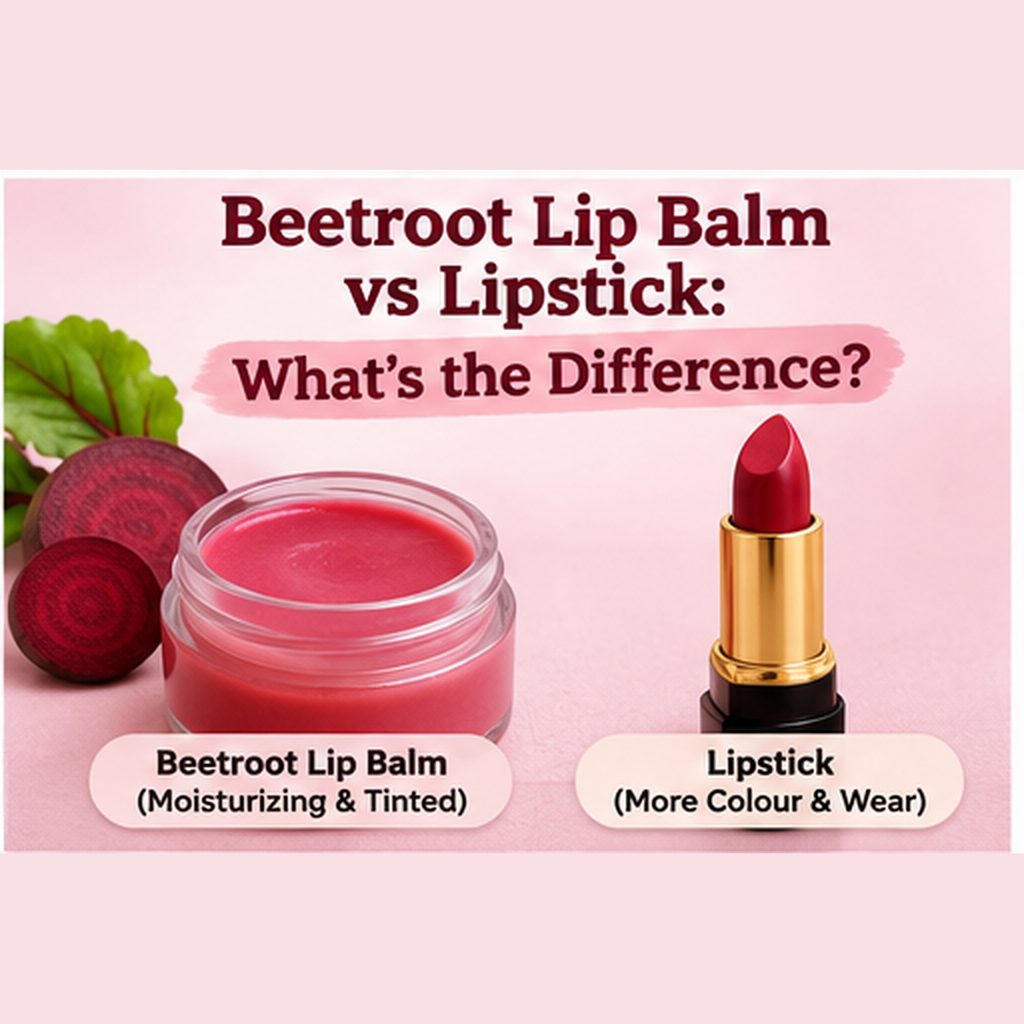
Beetroot Lip Balm vs Lipstick: What’s the Difference?
Both products can add colour to the lips, but their main purposes are different.
Learn how beetroot lip balm and lipstick compare in moisturization, colour intensity, texture and wear.
Read: Beetroot Lip Balm vs Lipstick
Is Every Vegan Lip Balm Natural?
Vegan and natural are two different product characteristics.
Learn why a vegan lip balm is not automatically natural and how ingredients such as beeswax and plant-based waxes affect these claims.
Read: Is Every Vegan Lip Balm Natural?
Why Does Lip Balm Work Better on Dry Lips Than Ordinary Moisturizer?
Ordinary moisturizer can disappear from the lips quickly because the mouth is constantly moving, being touched and coming into contact with food and drinks.
Learn how a thicker lip-balm coating helps dry and cracked lips stay comfortable for longer.
Read: Why Does Lip Balm Work Better on Dry Lips Than Moisturizer?
Understanding Beetroot Lip Balm as a Complete Product
A useful way to understand beetroot lip balm is to separate its different functions.
Beetroot and colour: Beetroot powder is particularly important when visible natural tint is required, while fresh beetroot serves a different purpose.
Wax and structure: Beeswax and plant-based waxes help turn oils and butters into a balm that can remain on the lips instead of behaving like a light lip oil.
Texture: Butter selection, powder fineness and ingredient balance can determine whether the balm feels smooth, sticky or grainy.
Tint expectations: Natural beetroot generally creates softer colour than lipstick and should not be expected to produce every commercial cosmetic shade.
Lip care: The primary purpose of a balm remains moisturization and protection. Tint is an additional benefit.
Understanding these distinctions makes it easier to evaluate both the ingredients and the performance of a beetroot lip balm.
Want to Learn Beetroot Lip Balm Formulation Step by Step?
These Knowledge Articles focus on the principles behind beetroot lip balm, including natural colour, ingredient selection, texture and common formulation problems.
For complete formulations and practical preparation methods, explore the dedicated ZestChest Institute course.