Bioenzyme does not have to be made only from citrus.
I have discussed bioenzymes made from lemon, orange, pineapple, rose, neem, reetha or soap nut, thin leaves, flowers and other suitable plant materials.
But they do not all behave exactly the same way.
Why Do I Prefer Citrus Bioenzyme for Strong Cleaning?
For stronger household-cleaning applications, citrus is my first preference.
The main examples are:
- lemon peel;
- orange peel;
- pineapple peel.
I find citrus preparations more active for jobs involving heavier staining, grease and dirt.
This makes them particularly suitable for applications such as:
- laundry;
- dishes;
- kitchen surfaces;
- bathroom tiles;
- toilet cleaning.
What About Rose Bioenzyme?
Rose bioenzyme is a milder direction.
I would not expect it to behave exactly like a strong citrus cleaner.
That does not mean it is useless.
It can make more sense where a milder bioenzyme is wanted rather than maximum cleaning strength.
Rose bioenzyme was also discussed in relation to personal-care directions.
What About Neem Bioenzyme?
Neem was discussed for antibacterial-style positioning.
Again, I consider it milder than citrus for heavy-duty household cleaning.
Its purpose does not have to be exactly the same as a lemon or orange bioenzyme.
What About Reetha or Soap Nut?
Reetha has its own interesting character because it is associated with lathering.
It was discussed for cleaning applications and also for partial use in shampoo-type products.
Do Non-Citrus Bioenzymes Ferment Differently?
They can appear less active.
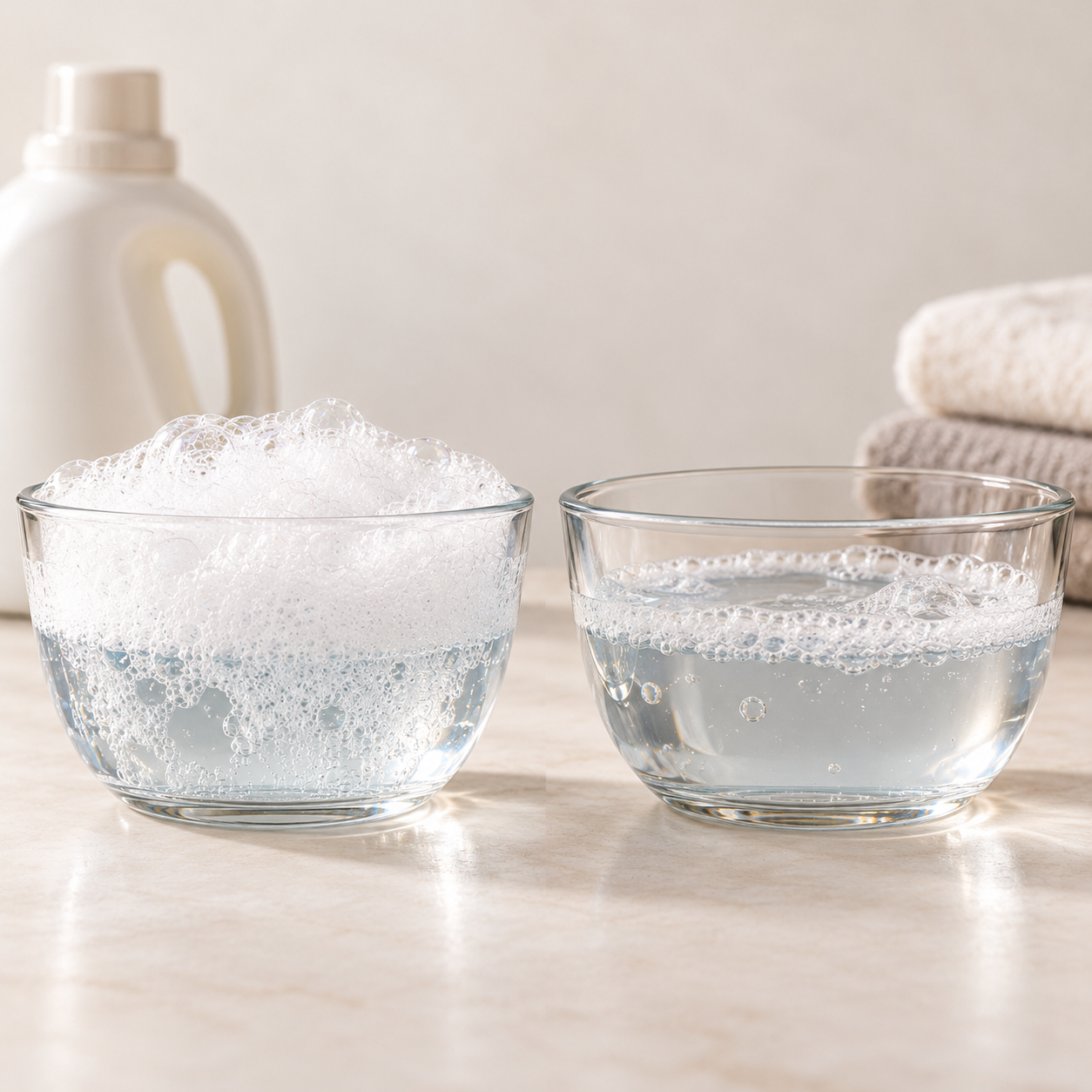
Citrus normally produces more obvious fizz during fermentation.
A rose, neem or reetha bioenzyme may look much quieter.
That does not automatically mean the fermentation has failed.
The plant material itself affects how active the process appears.
Can Citrus and Non-Citrus Materials Be Combined?
Yes.
Citrus can be included when working with milder materials if stronger fermentation behaviour is wanted.
The broader lesson is that you do not need to treat every bioenzyme as one identical ingredient.
Different plant materials can create different types of fermented cleaning bases.
Which One Should You Choose?
Choose according to the purpose.
For strong kitchen, bathroom, toilet and stain-cleaning applications, I prefer citrus.
For milder applications, rose, neem or reetha may be more appropriate.
The best bioenzyme is not simply the one that ferments the most dramatically. It is the one that suits what you want the finished product to do.