Aromatherapy is the use of aromatic oils for supportive applications through smell and topical use. The Aromatherapy is the use of aromatic plant oils through smell and topical application. It is commonly associated with essential oils, but understanding aromatherapy properly also means understanding carrier oils, fragrance notes, dilution, skin and hair applications, and safe handling.
Essential oils are highly concentrated aromatic materials obtained from different parts of plants. Because of their concentration, they are not used in the same way as ordinary vegetable oils. In topical aromatherapy, they are generally incorporated into a suitable carrier or product base before being applied to the skin or scalp.
If you are completely new to the subject, you can also start with our Aromatherapy Learning Hub for related educational resources.
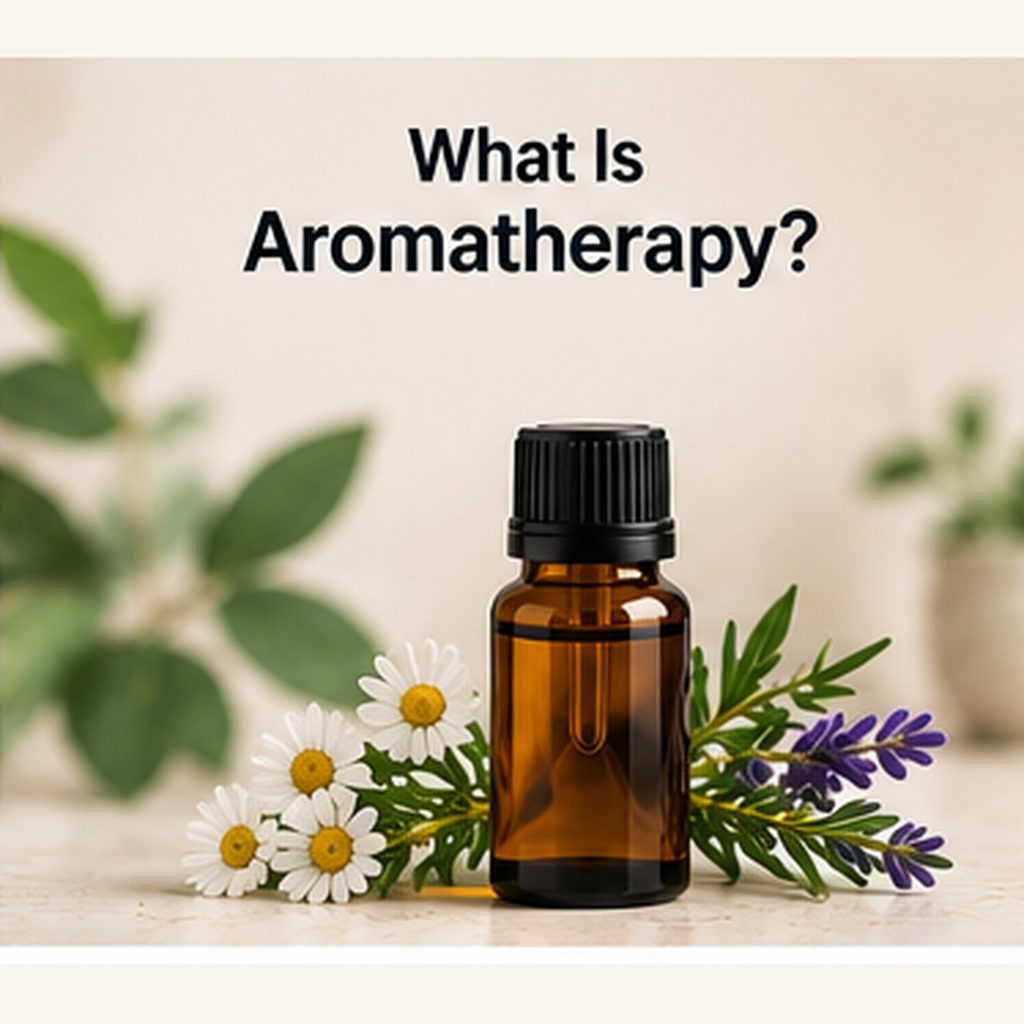
What Is Aromatherapy?
Aromatherapy works with aromatic plant oils for applications involving fragrance, skin care, hair care, relaxation and other personal-care uses.
Essential oils may come from different plant materials such as flowers, leaves, woods, peels and other aromatic parts of plants.
There are two common ways aromatherapy is used:
- Through aroma or inhalation
- Through topical application in a suitable base
Aromatherapy is therefore much broader than simply adding a pleasant fragrance to a product. The type of essential oil, the carrier used, the intended application and the way the aroma develops can all influence the final experience.
For a simple introduction, read: What Is Aromatherapy and How Is It Used?
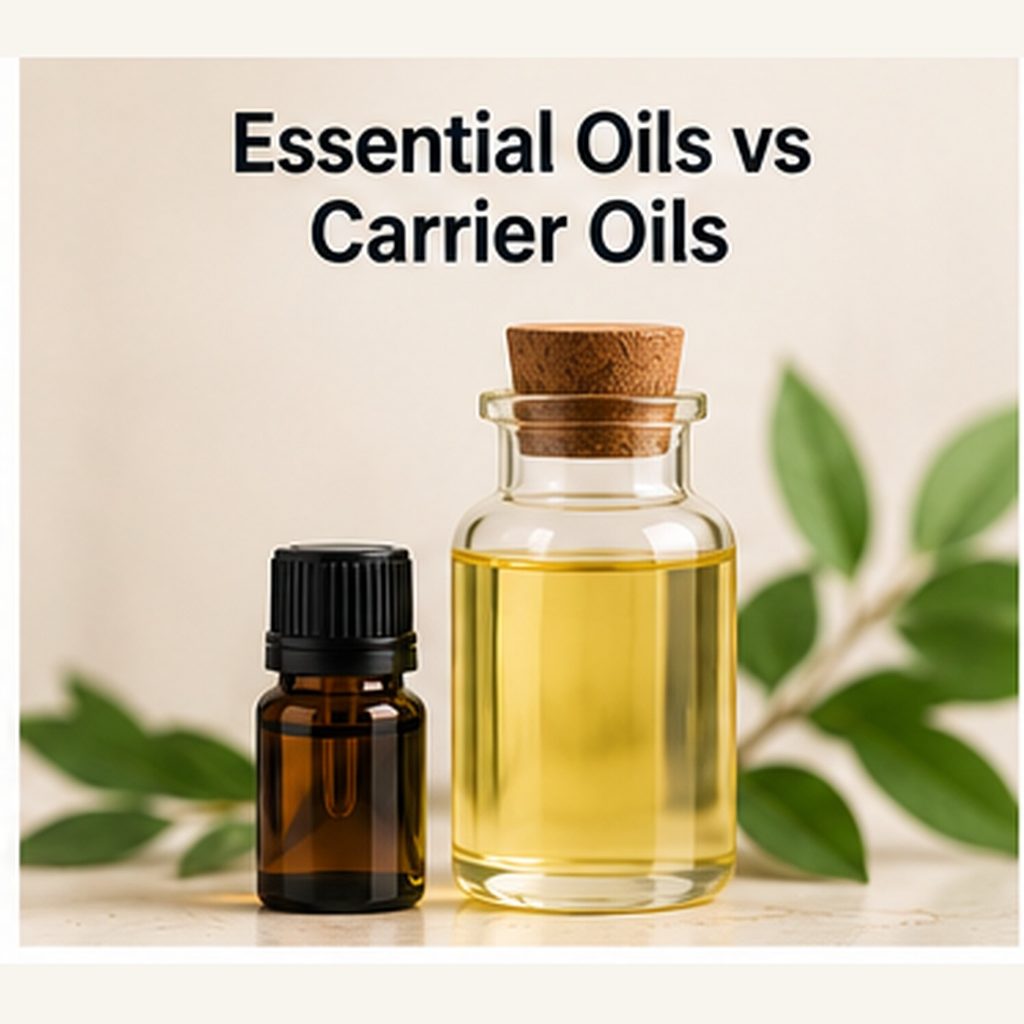
Essential Oils and Carrier Oils Are Not the Same
One of the most important concepts in aromatherapy is understanding the difference between an essential oil and a carrier oil.
Essential oils are highly concentrated aromatic oils.
Carrier oils form the base into which essential oils can be incorporated for topical application. They help distribute the essential oil over a larger area of the skin or scalp.
Examples of carrier oils discussed in aromatherapy include oils such as sunflower, jojoba and argan oil.
The carrier is not simply an inactive addition. It can influence how rich or light a finished product feels, how suitable it is for a particular skin type and even the overall cost of the product.
Read the detailed guide: Essential Oils vs Carrier Oils: What’s the Difference?
How Do You Choose a Carrier Oil?
There is no single carrier oil that is automatically right for every aromatherapy product.
The choice depends on several factors, including:
- Skin type
- Area of application
- How light or rich the product should feel
- Whether it is intended for the face, body, hair or massage
- Product positioning and cost
- The overall sensory feel you want to create
For example, lighter carrier oils may be preferred for some facial applications, while richer oils may be more suitable for dry skin, body products or massage applications.
The source and quality of the carrier oil also matter when choosing ingredients for formulation.
For a deeper explanation, read: How Do You Choose the Right Carrier Oil for Aromatherapy?
Understanding Top, Middle and Base Notes
Essential oils do not all behave the same way after application.
Some aromas are immediately noticeable but disappear relatively quickly. Others become noticeable later and remain for a longer period.
This is where the concept of top, middle and base notes becomes useful.
Top Notes
Top notes are usually noticed first.
Citrus aromas such as lemon are examples of fragrances that can create a strong initial impression but fade relatively quickly.
Middle Notes
Middle notes become more noticeable after the initial top notes begin to soften.
Lavender is an example used when explaining a middle note.
Base Notes
Base notes tend to provide a deeper and more lasting aroma.
Sandalwood is an example of a base note.
Understanding these categories helps explain why an aromatic blend may smell different immediately after application compared with several minutes later.
Read more: What Are Top, Middle and Base Notes in Essential Oils?
Why Do Lemon and Orange Fragrances Fade Faster?
Citrus aromas such as lemon and orange are commonly associated with top-note behaviour.
They can smell bright and noticeable when a product is first applied, but the fragrance may not remain as long as deeper notes.
This does not necessarily mean something is wrong with the product. It may simply be part of the natural fragrance behaviour of the aromatic material.
When evaluating an aromatherapy blend or fragranced cosmetic product, it is useful to observe how the aroma develops over time rather than judging it only by the first smell.
Learn more here: Why Does Lemon or Orange Fragrance Fade Faster in Cosmetics?
Can Essential Oils Be Applied Directly to the Skin?
Essential oils are concentrated materials, so using more does not automatically make an aromatherapy product better.
For topical use, essential oils are generally incorporated into a suitable carrier oil or another appropriate cosmetic base.
Direct use of concentrated essential oils can increase the possibility of skin discomfort such as irritation, redness or burning.
This is why dilution and thoughtful product design are important parts of aromatherapy.
Patch testing is also an important consideration when using aromatic products on the skin.
Read the complete guide: Can Essential Oils Be Applied Directly to the Skin?
Aromatherapy for Oily and Acne-Prone Skin
Oily skin and acne-prone skin are related concerns, but they are not necessarily the same thing.
A person can have oily skin without having acne, while acne-prone skin requires its own considerations when selecting aromatic ingredients and carrier oils.
For oily skin, the focus is not simply on removing as much oil as possible. Aromatherapy ingredient selection should consider the actual skin concern and the overall product.
Different essential oils may be selected for different purposes. The carrier oil should also be chosen carefully, particularly when designing facial products.
Read the detailed comparison: Oily Skin vs Acne-Prone Skin: What’s the Difference in Aromatherapy?
Why Are Some Citrus Essential Oils Better Used at Night?
Certain citrus essential oils require additional consideration when they are used in products applied to the skin.
Lemon, orange and bergamot are discussed in relation to photosensitivity, which is why nighttime application may be preferred for products containing certain citrus essential oils.
This is especially relevant when creating or selecting aromatherapy products intended for facial or other exposed areas of skin.
Read more: Why Should Some Citrus Essential Oils Be Used at Night?
Essential Oils for Hair and Scalp Care
Aromatherapy is also widely used in hair and scalp products.
The essential oil should be selected according to the specific concern rather than simply choosing an oil because its aroma is appealing.
Hair and scalp concerns discussed in aromatherapy include:
- Greasy scalp
- Dandruff
- Hair fall and hair-growth support
- Dry or damaged hair
- General scalp care
Essential oils such as rosemary, tea tree, eucalyptus, cedarwood and patchouli may be considered in different hair and scalp contexts.
Carrier oils such as jojoba and argan can also form part of hair and scalp applications depending on the intended product.
For a broader overview, read: How Can Essential Oils Be Used for Hair and Scalp Care?
You can also explore these more focused guides:
How Is Aromatherapy Used for Dandruff?
How Is Aromatherapy Used for Hair Loss?
How Should Essential Oils Be Stored?
Proper storage helps protect the aroma and quality of concentrated essential oils.
Essential oils should generally be protected from:
- Direct light
- Excessive heat
- Unnecessary exposure to air
Dark glass bottles are commonly preferred for concentrated essential oils and essential-oil blends.
Containers should also be closed properly after use and kept in a cool, dark place.
It is important to distinguish between storing concentrated essential oils and storing finished cosmetic formulations. A finished cream, lotion, shampoo or other product may have its own storage requirements.
Read the full guide: How Should Essential Oils Be Stored to Protect Their Aroma and Quality?
Related Aromatherapy Guides
If you would like to explore individual aromatherapy concepts in more detail, continue with these guides:
- How Do You Choose the Right Carrier Oil for Aromatherapy?
- Essential Oils vs Carrier Oils: What’s the Difference?
- What Are Top, Middle and Base Notes in Essential Oils?
- Why Does Lemon or Orange Fragrance Fade Faster in Cosmetics?
- Can Essential Oils Be Applied Directly to the Skin?
- Oily Skin vs Acne-Prone Skin: What’s the Difference in Aromatherapy?
- Why Should Some Citrus Essential Oils Be Used at Night?
- How Can Essential Oils Be Used for Hair and Scalp Care?
- How Should Essential Oils Be Stored to Protect Their Aroma and Quality?
- Aromatherapy for Dandruff
- Aromatherapy for Hair Loss
Continue Learning About Aromatherapy
Aromatherapy becomes easier to understand when you look at essential oils as more than individual fragrances.
The carrier oil, the aromatic note, the intended application, the skin or hair concern and the way the finished product will be used all need to be considered together.
You can browse the complete Aromatherapy Learning Hub for more educational guides.
If you want structured learning on aromatherapy and its practical applications, you can also explore the ZestChest Aromatherapy Course.