
Learn Bioenzyme: Cleaning, Fermentation, Uses and Common Questions
A complete learning hub for bioenzyme cleaning, covering fermentation, ingredient roles, product differences, household uses, common problems and practical questions.
A complete learning hub for bioenzyme cleaning, covering fermentation, ingredient roles, product differences, household uses, common problems and practical questions.
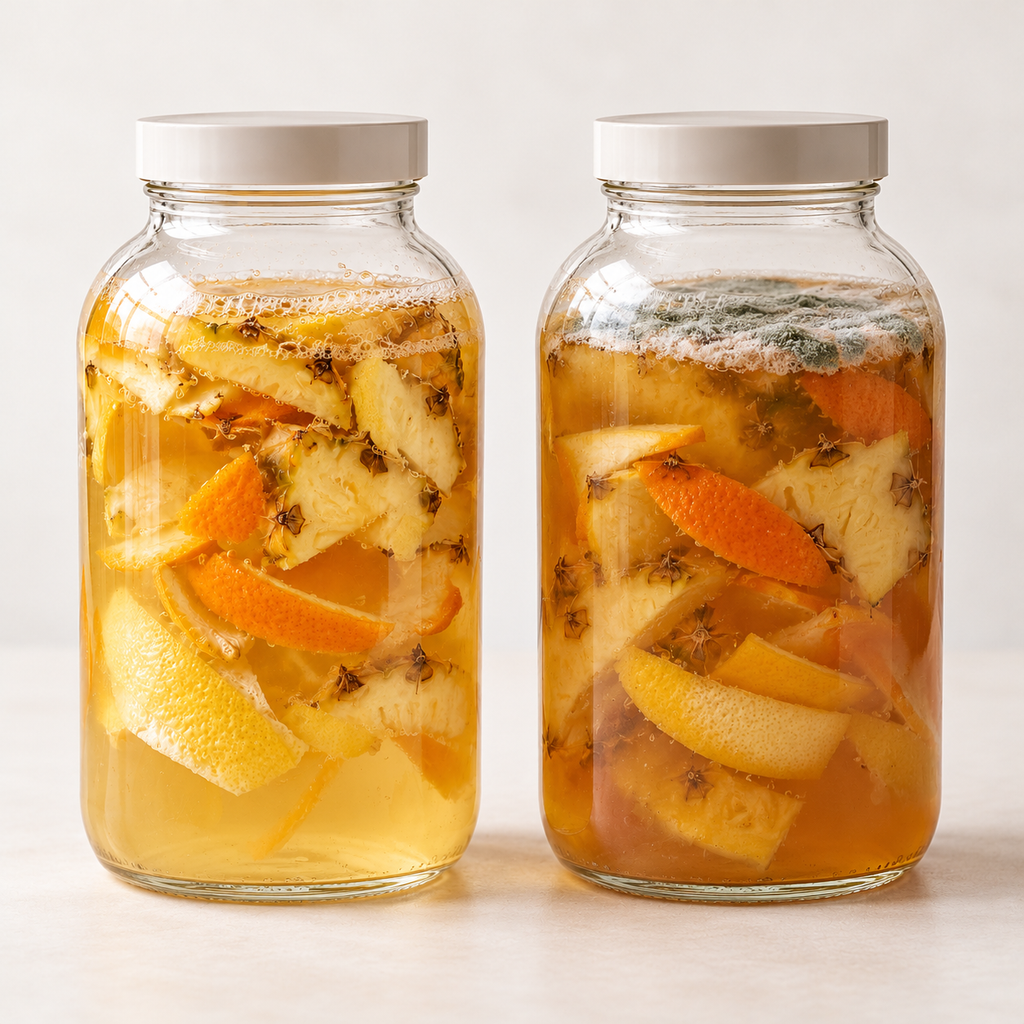
Bioenzyme fermentation is a living process, so appearance and activity can change as the batch develops. One of the most important things to understand is the difference between normal fermentation
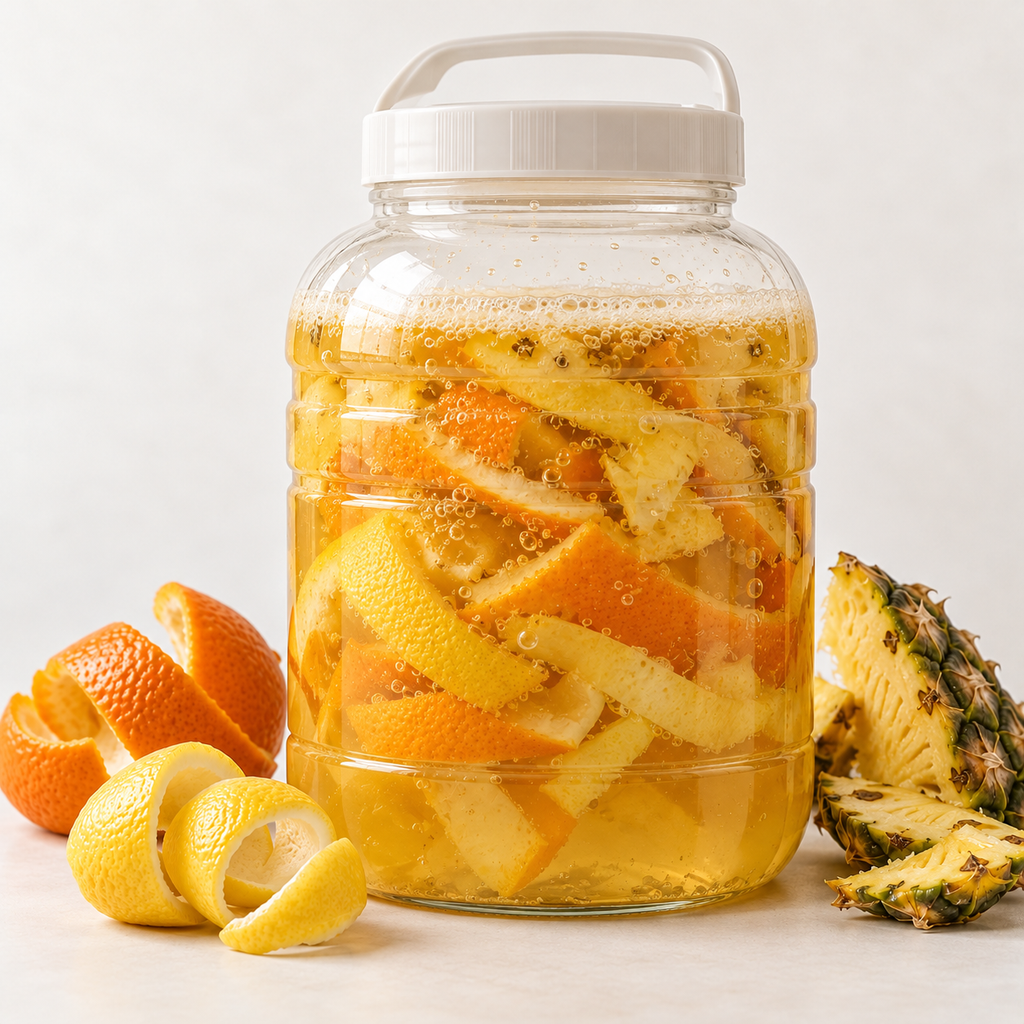
Bioenzyme fermentation produces gas and pressure. Learn why plastic containers are preferred over glass or metal during active fermentation.
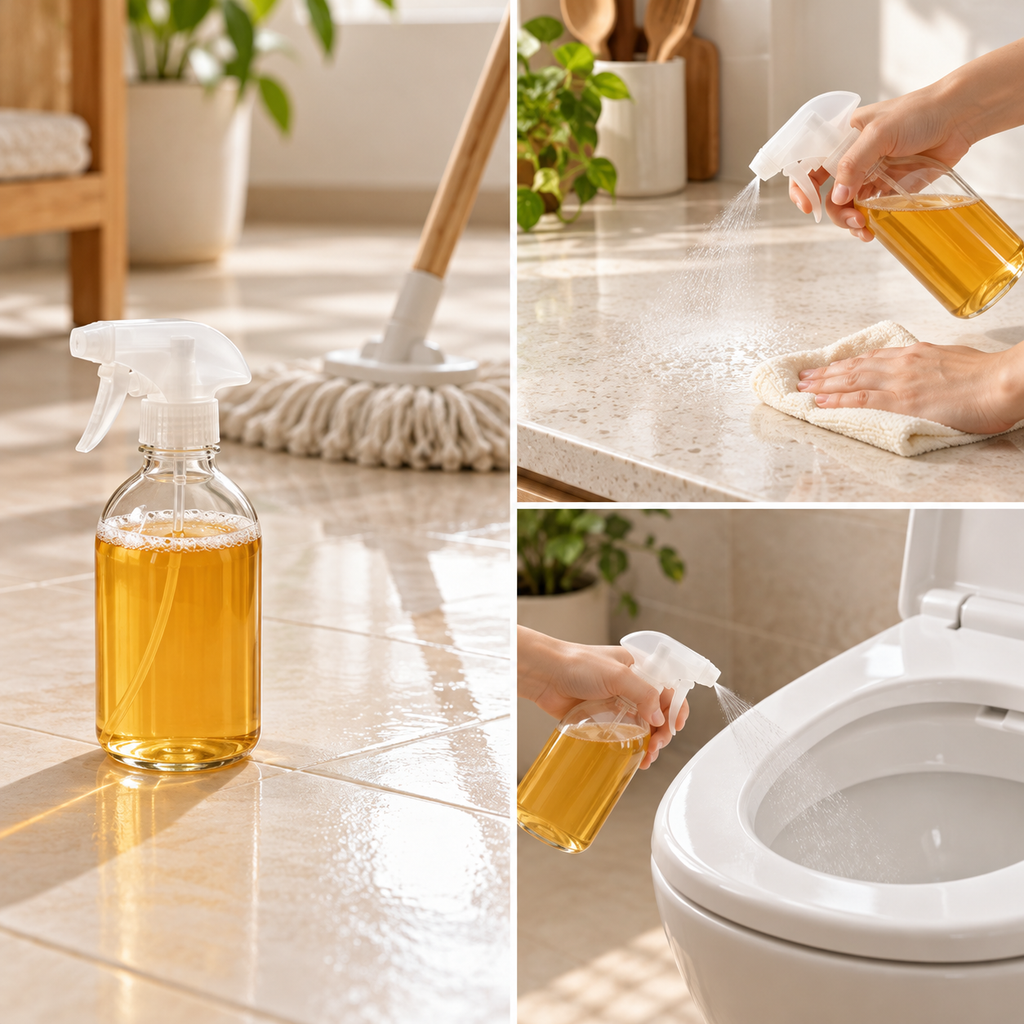
Bioenzyme can be used for several household-cleaning applications, including floors, toilets, tiles and kitchen surfaces. Learn where it fits and why usage differs by surface.
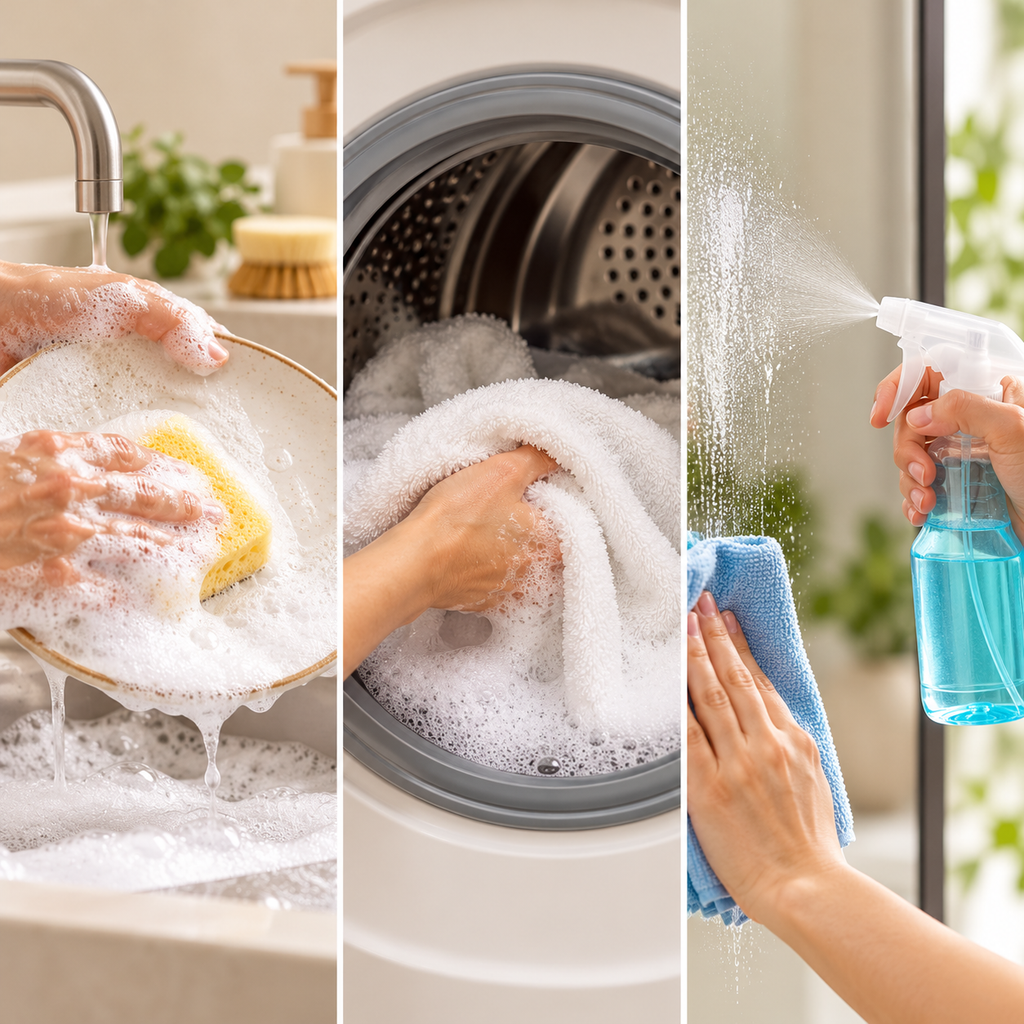
More foam does not always mean better cleaning. Learn why different bioenzyme-based products need different levels of lather depending on how and where they are used.
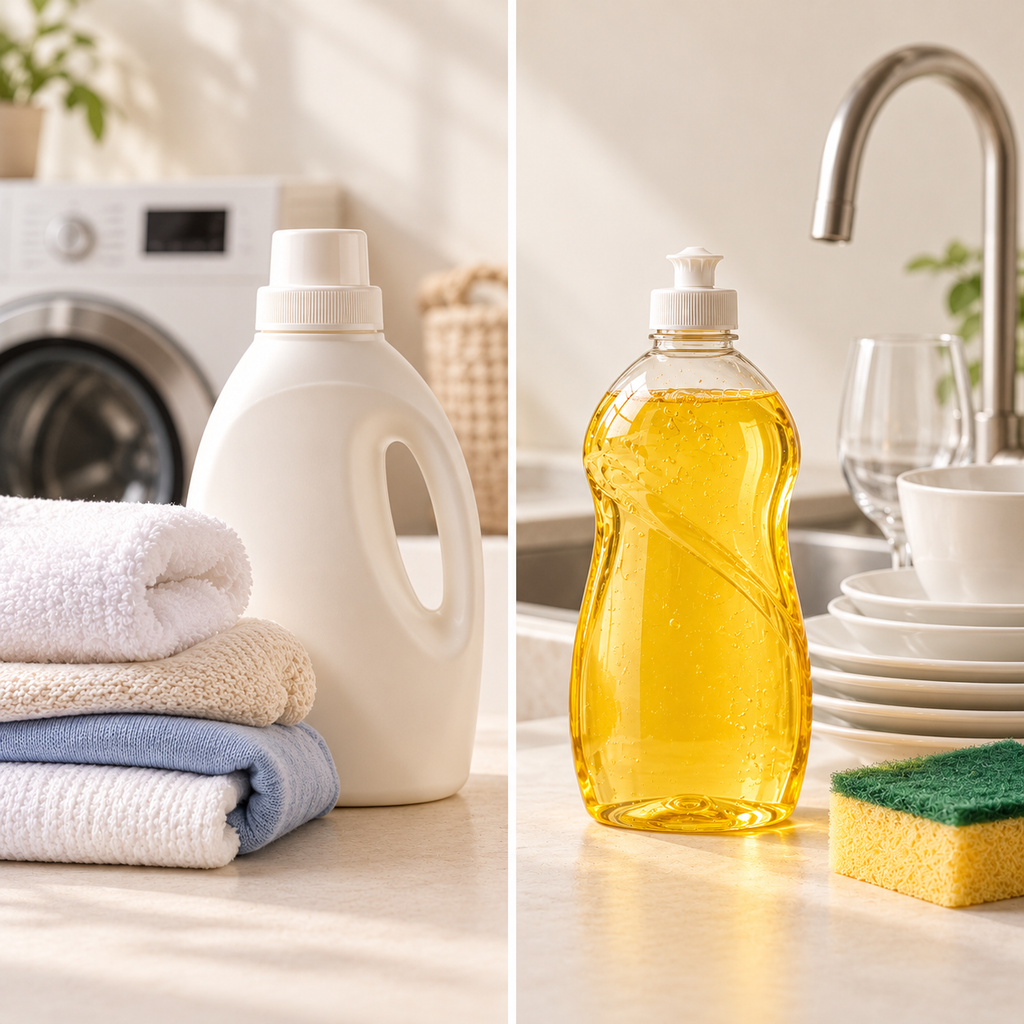
Laundry detergent and dishwashing liquid may both use bioenzyme, but they are designed for very different cleaning situations. Learn why their cleansing systems, foam and supporting ingredients differ.
Hard water can change how detergents lather and perform. Learn why mineral content matters and how hard-water management supports more consistent cleansing.
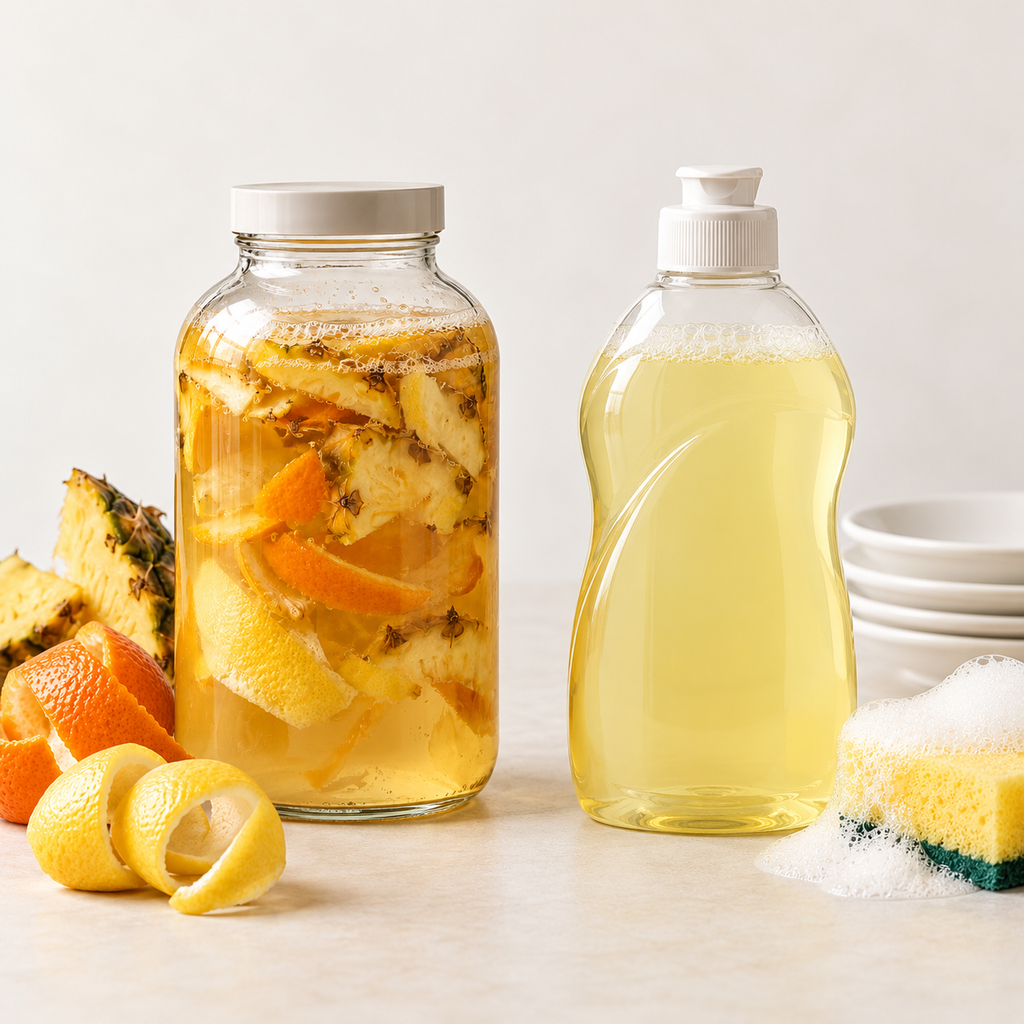
Bioenzyme and detergent are not the same. Learn how bioenzyme functions as a fermented cleaning component and why finished detergents need additional functional ingredients.
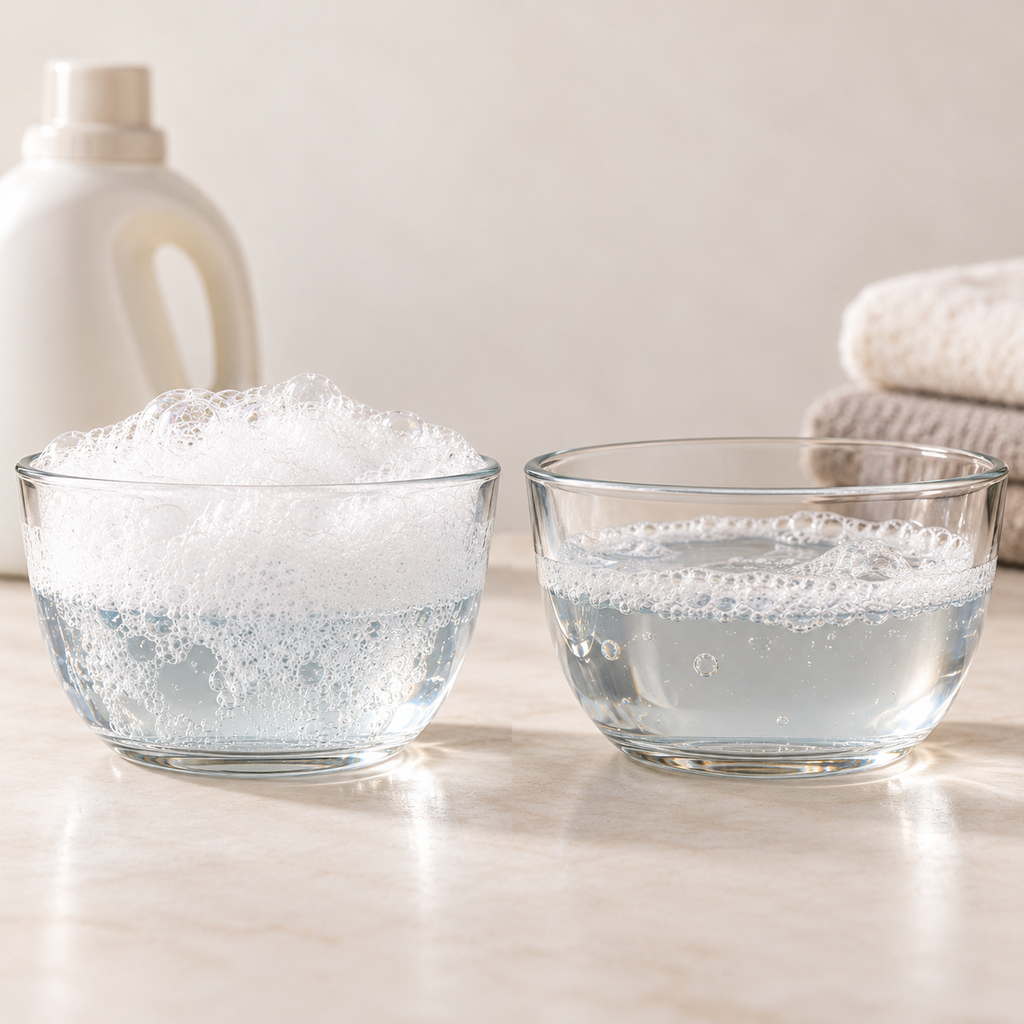
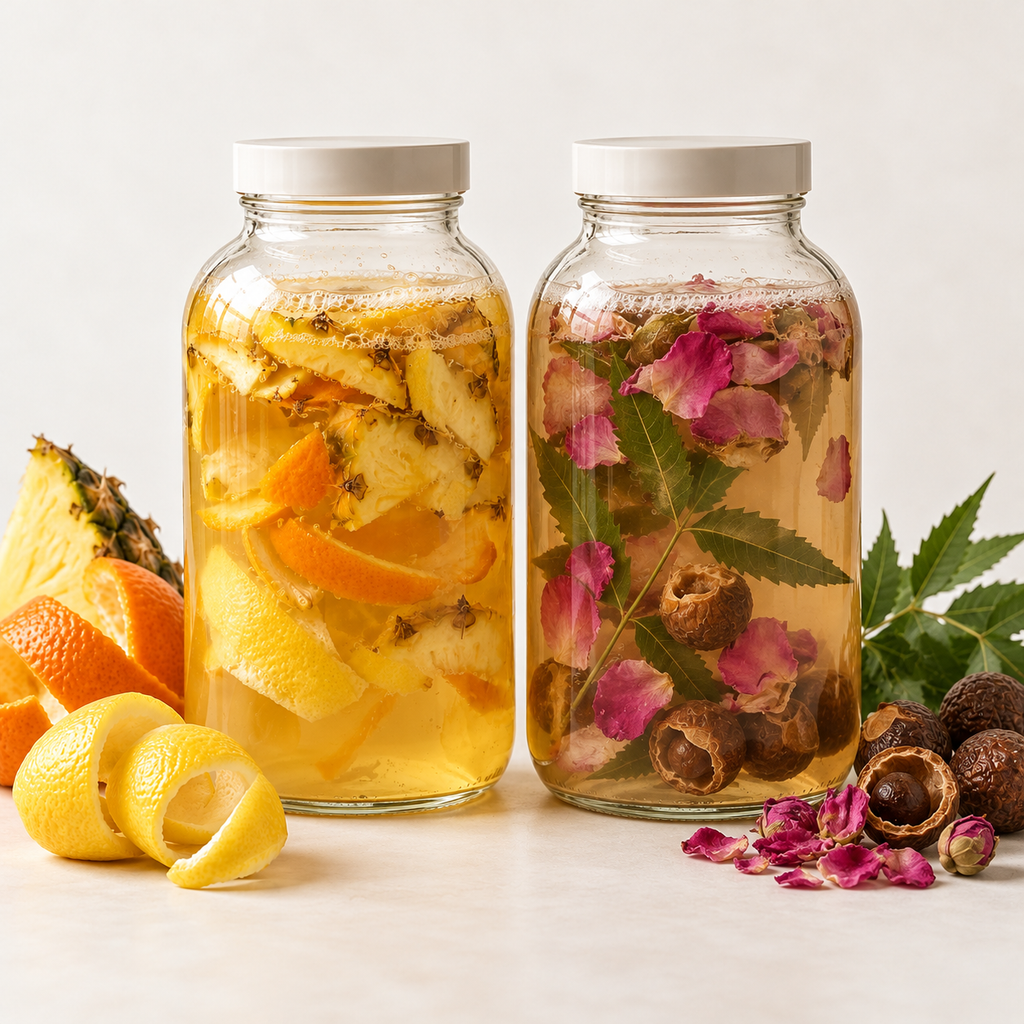
Learn how citrus bioenzymes differ from rose, neem, reetha and other non-citrus bioenzymes in fermentation activity, cleaning strength and practical use.
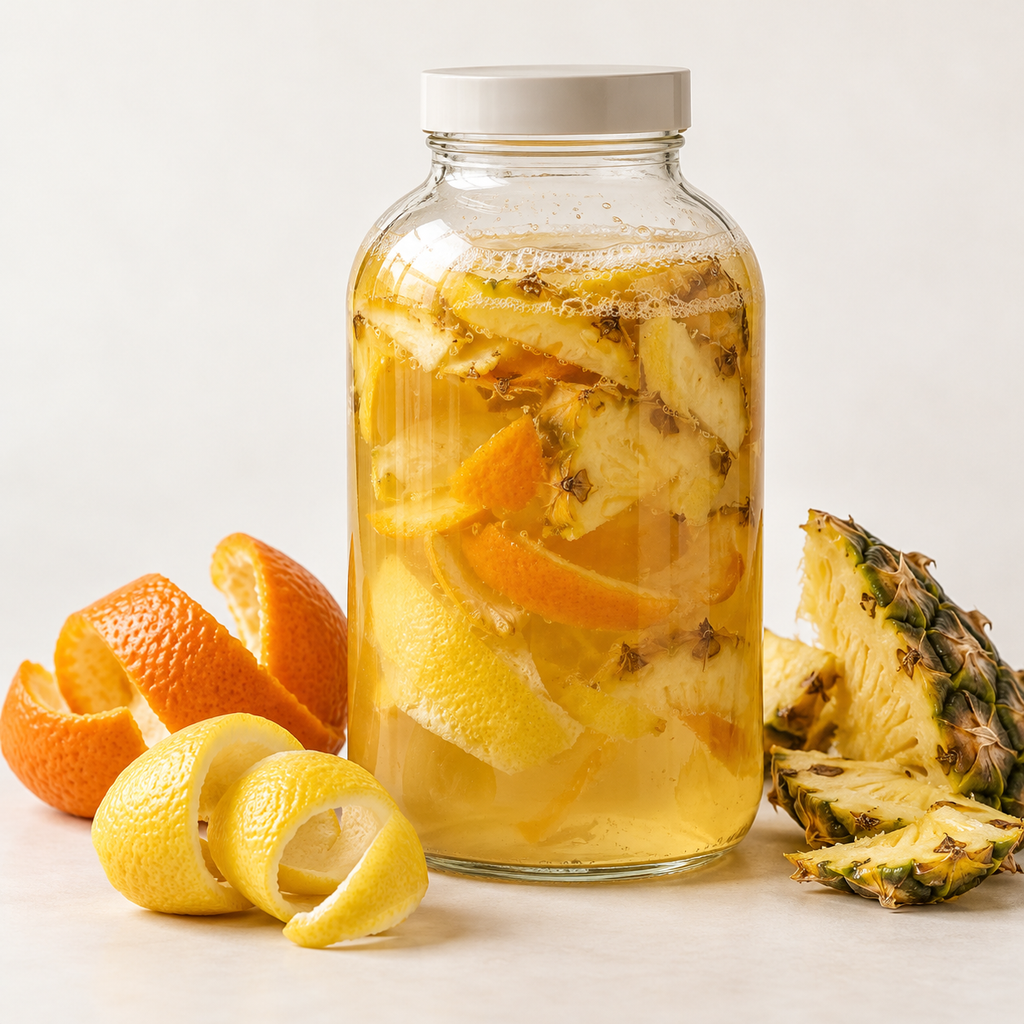
Learn what a bioenzyme is, how fermentation creates a cleaning base, how it helps loosen grease and stains, and why bioenzyme is different from detergent.