
Lip Care Products Learning Hub
Explore practical lip care formulation knowledge covering lip balms, glosses, masks, scrubs, waxes, butters, lanolin, vitamin C and lip plumpers.
Explore practical lip care formulation knowledge covering lip balms, glosses, masks, scrubs, waxes, butters, lanolin, vitamin C and lip plumpers.
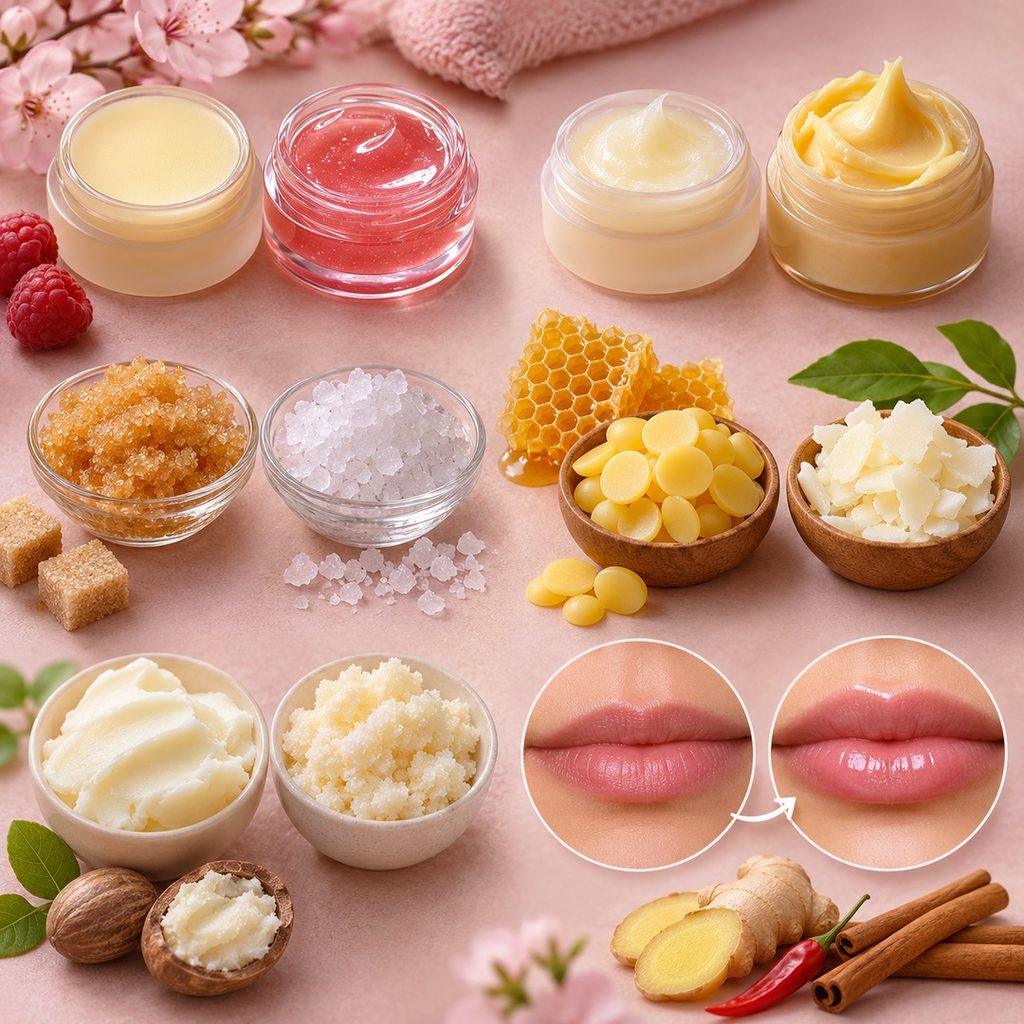
A lip plumper is designed to make the lips look temporarily fuller. The effect is not permanent, and the initial tingling usually settles sooner than the fuller appearance.

Oil-soluble vitamin C is used in lip-care products because many balms, oils and masks are oil-based. It can be incorporated where ordinary water-soluble vitamin C would not dissolve properly.

Shea butter can sometimes recrystallize over time, creating small white or grainy spots in lip balm. This texture change does not automatically mean the product has spoiled.
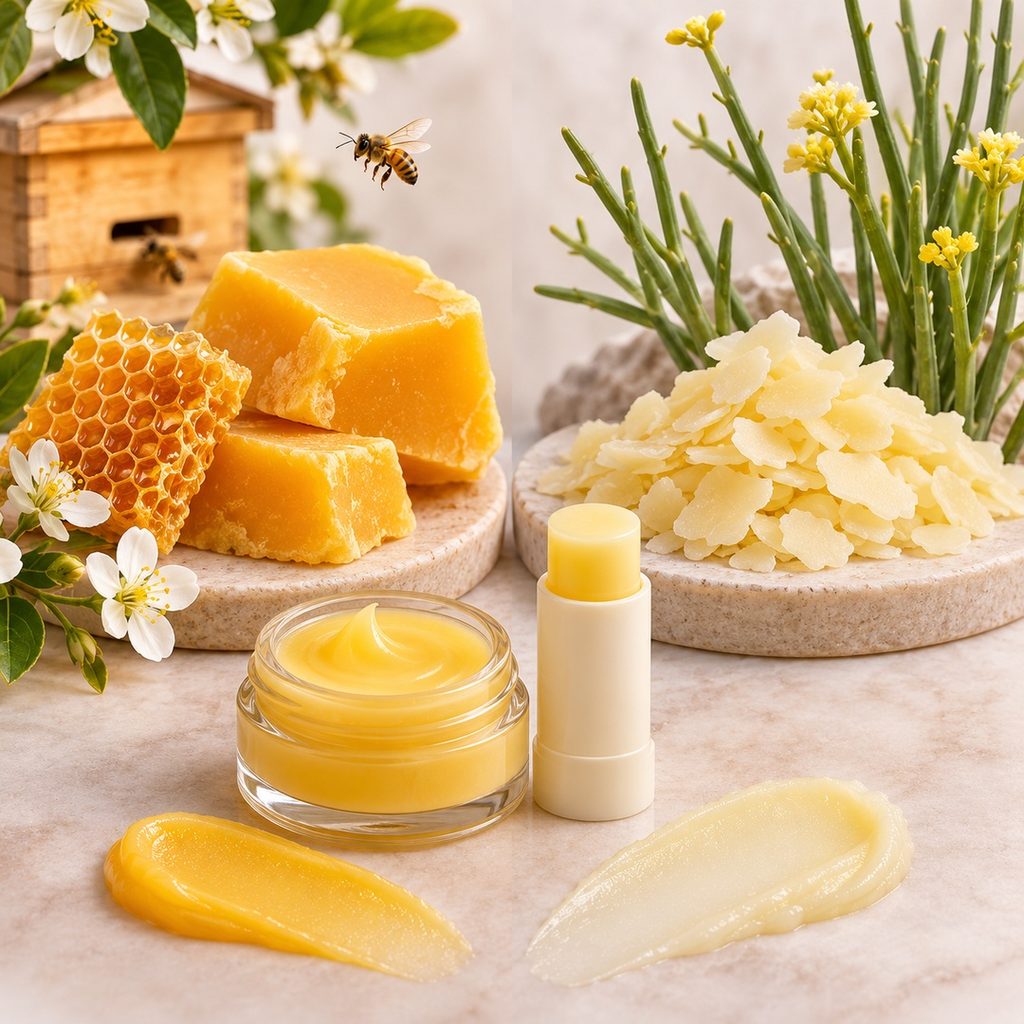
Beeswax and candelilla wax can both structure lip balm, but they create different textures. Beeswax is not considered vegan, while candelilla wax is plant-derived and suitable for vegan lip balm concepts.
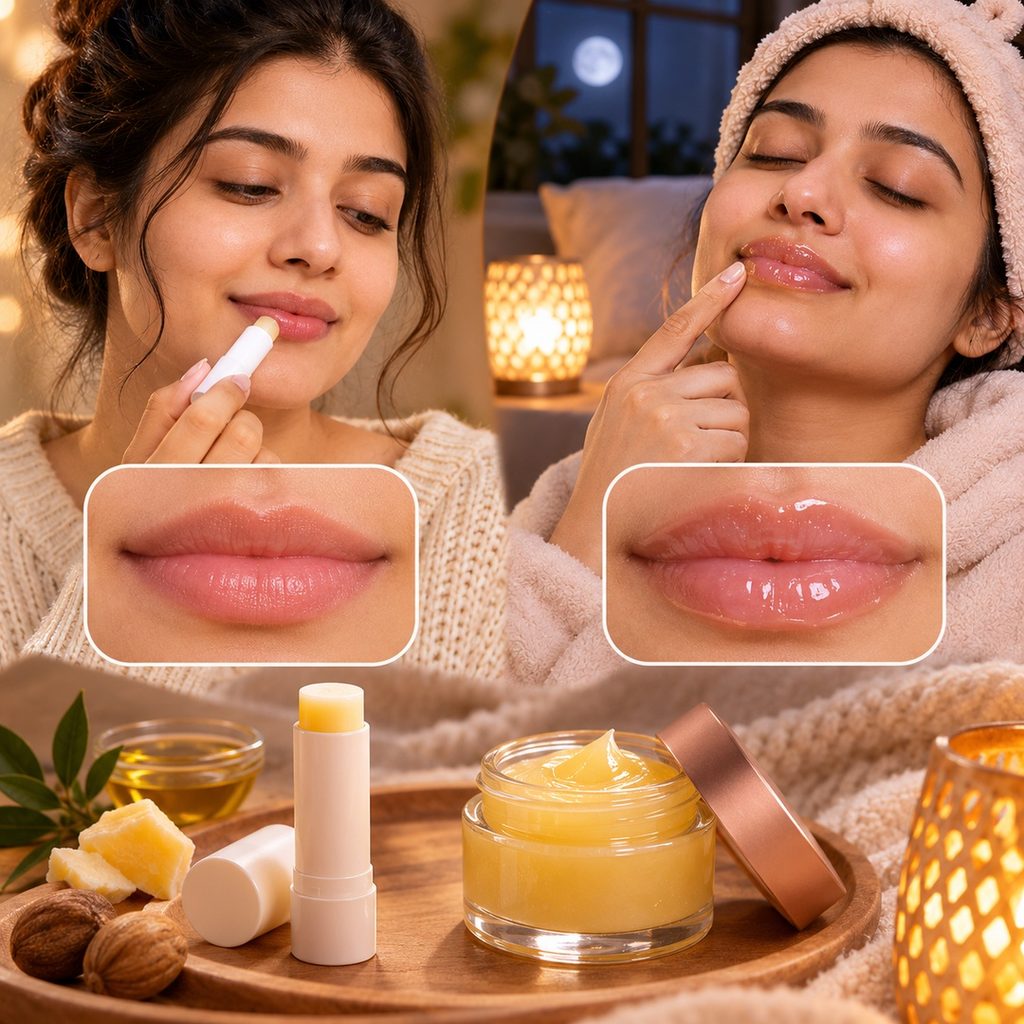
Lip balm is mainly used for everyday comfort and protection, while a lip mask is richer and designed to stay on the lips longer for more intensive care.
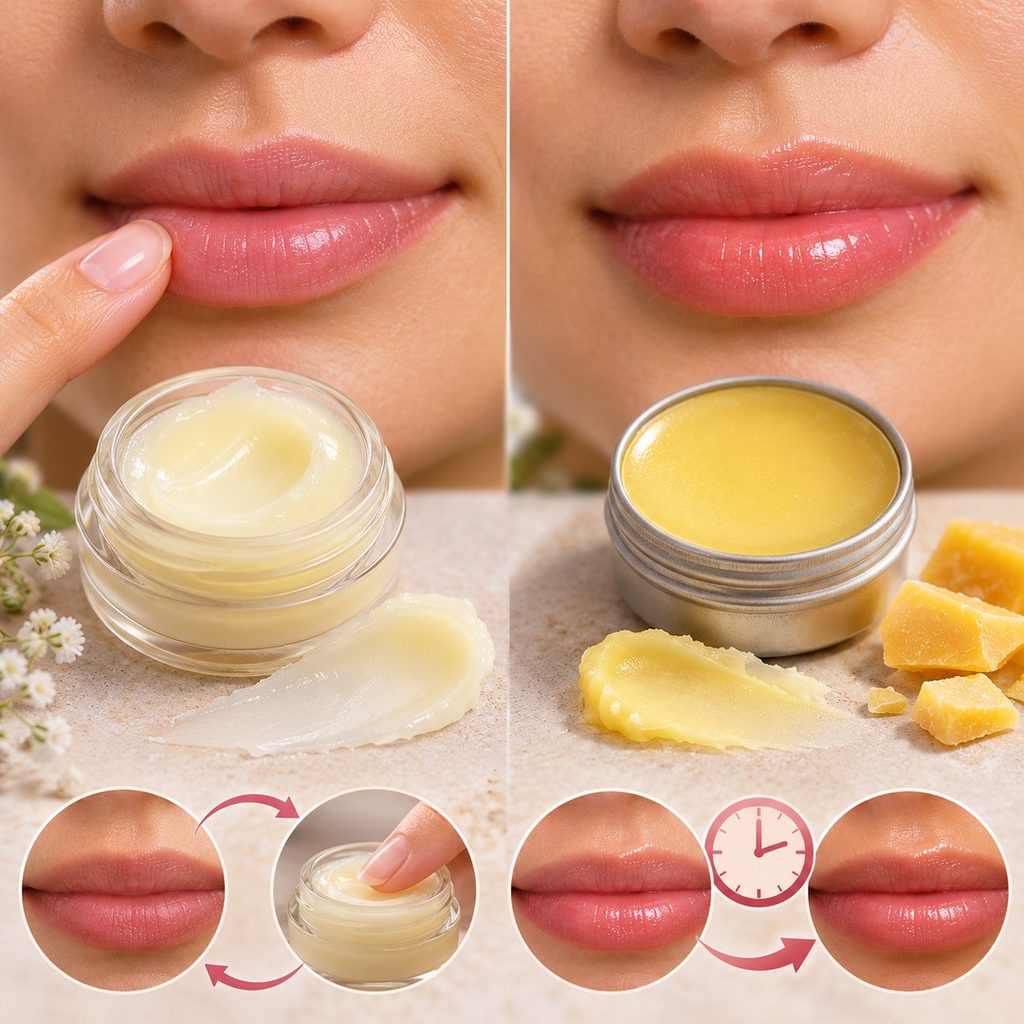
Some lip balms stay on the lips longer because they are thicker, waxier or stickier. Learn how texture, packaging and spreadability influence how often a balm needs reapplication.
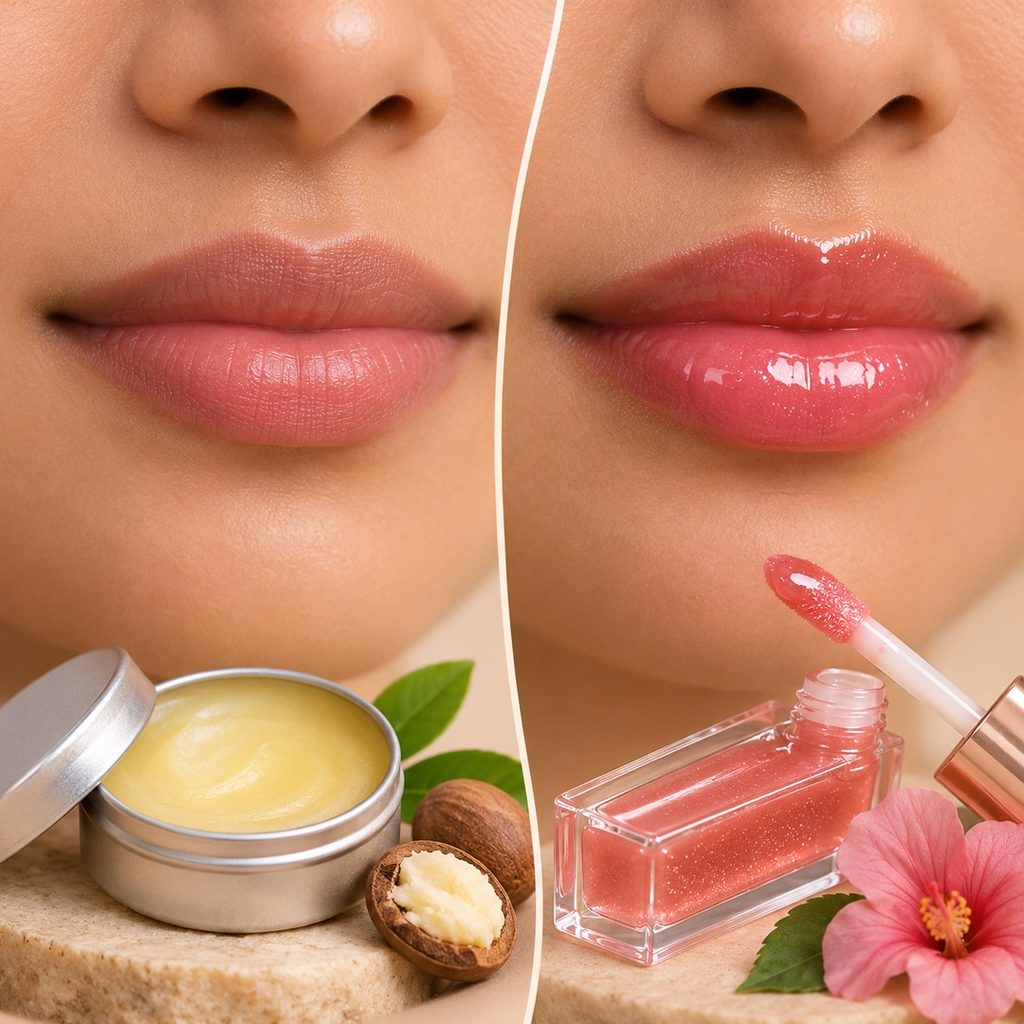
Lip balm mainly focuses on comfort and protection, while lip gloss is designed for visible shine and a more noticeable surface coating. Learn how their texture and use differ.

Ordinary moisturizer can disappear quickly from the lips, while lip balm creates a thicker protective coating. Learn why this makes balm more suitable for dry, cracked lips.
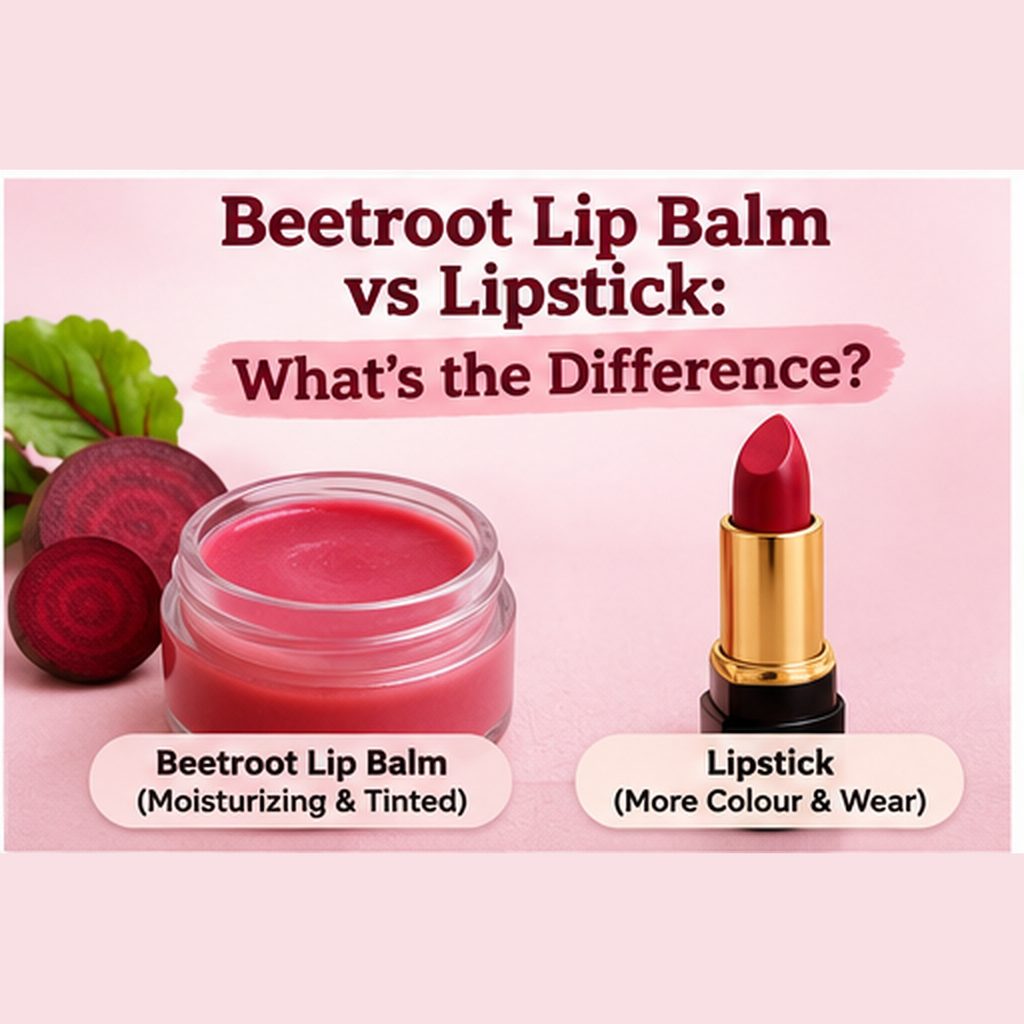
Beetroot lip balm and lipstick can both add colour, but they serve different purposes. Learn how they differ in moisturization, tint, texture and wear.