
Facial Cleansers
Facial cleansing is not simply about choosing a product that removes dirt. A face wash, micellar water, cleansing oil, cleansing milk, cleansing balm and herbal powder cleanser can all clean the face, but they work differently, feel different on the skin and suit different cleansing needs.
This learning collection brings together our main guide and focused articles on facial cleansing—from understanding why cleansing matters and choosing between cleanser types to removing makeup, using wipe-off cleansers and understanding how ingredients behave in different cleanser formats.
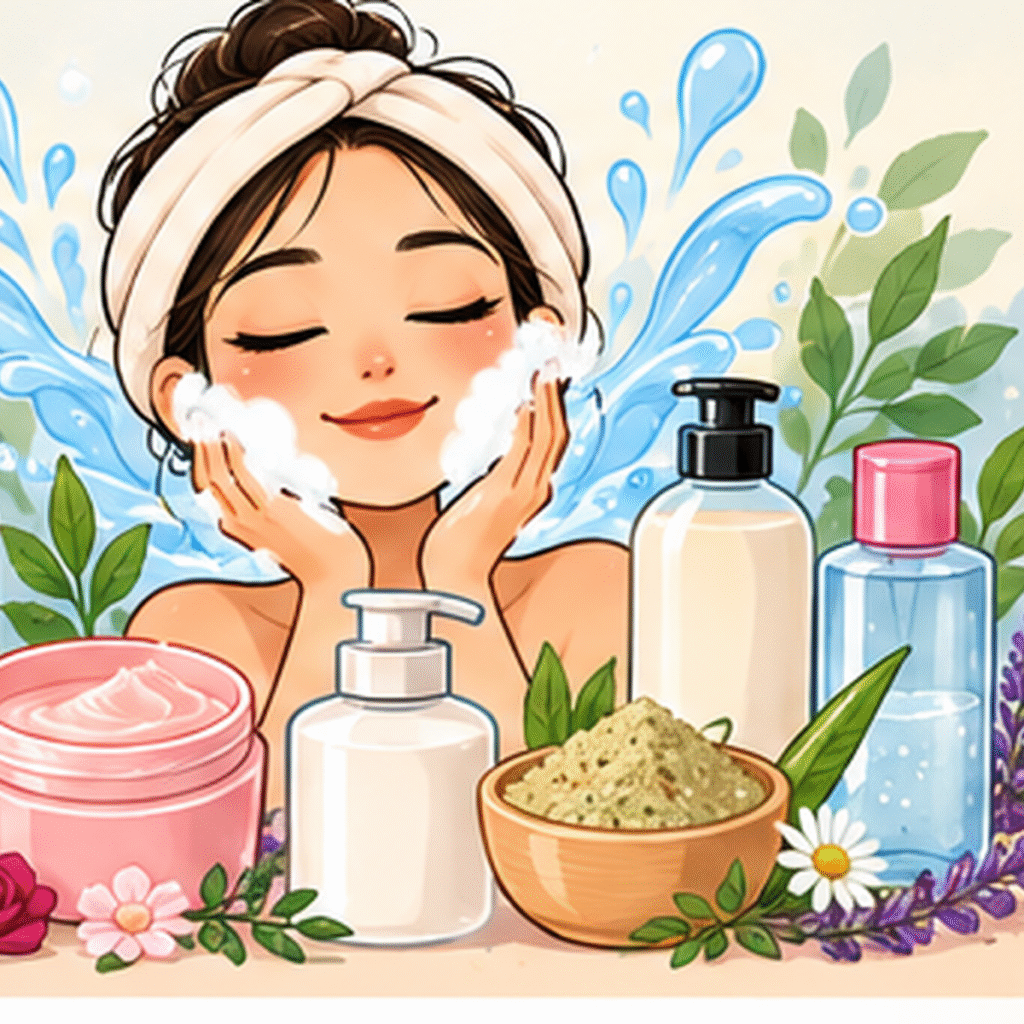
If you are new to the subject, begin with our main guide. It explains the six cleanser types, what they are designed to remove, how they differ in use and skin feel, and the roles played by different ingredient categories.
Understand Cleansing and Choose the Right Cleanser
Different facial cleansers are designed for different jobs. Understanding what each type removes, how it feels on the skin and how it is meant to be used makes it much easier to choose the right cleanser for your needs.

Why Do You Need to Cleanse Your Face Even If You Stay Indoors?
Cleansing is not only about removing outdoor dust. Learn how sebum, moisture and everyday deposits can build up on the skin even when you spend the day indoors, and why cleansing needs can differ with skin type and lifestyle.
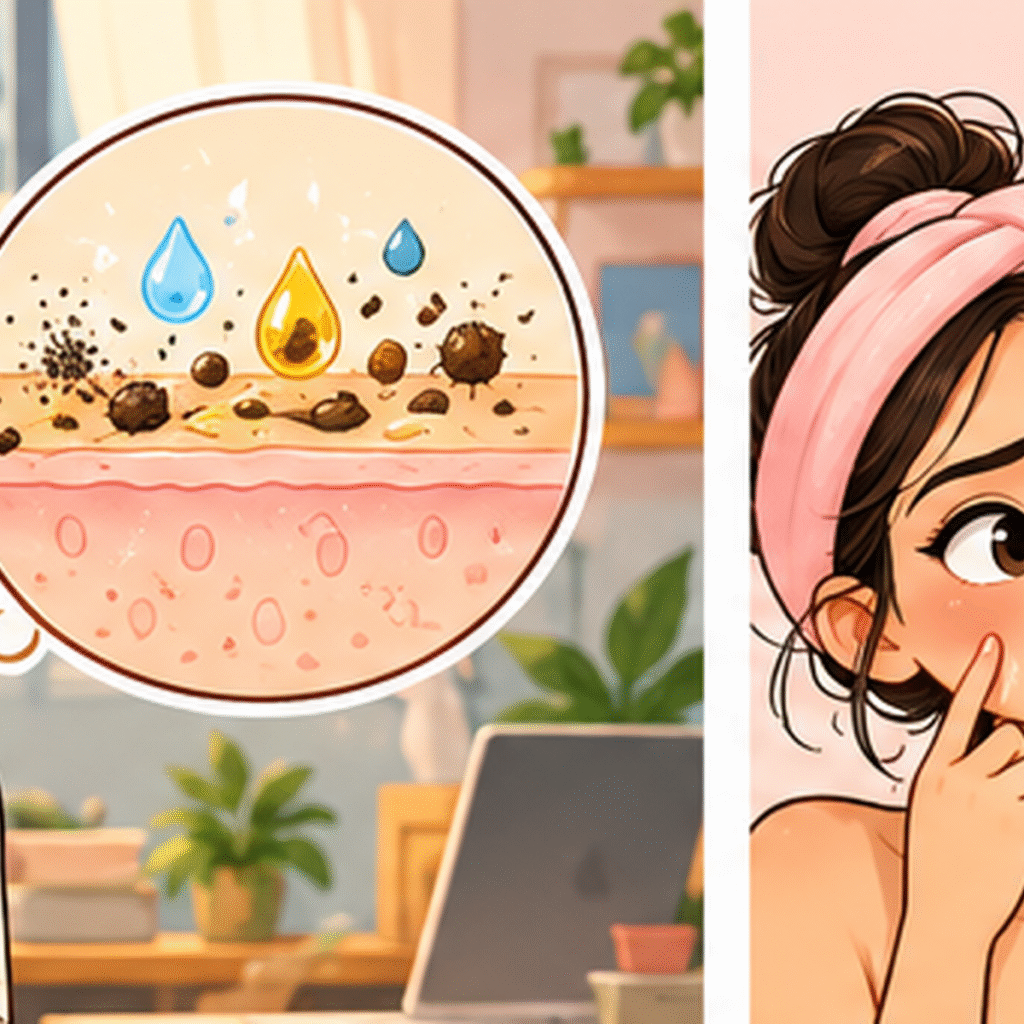
Can Face Wash Remove Makeup? When to Use a Cleansing Oil or Balm Instead
A mild face wash works well for everyday surface cleansing, but several layers of makeup can be a different job. Learn why oil-based cleansers can make makeup removal easier and when it makes sense to change cleanser type.
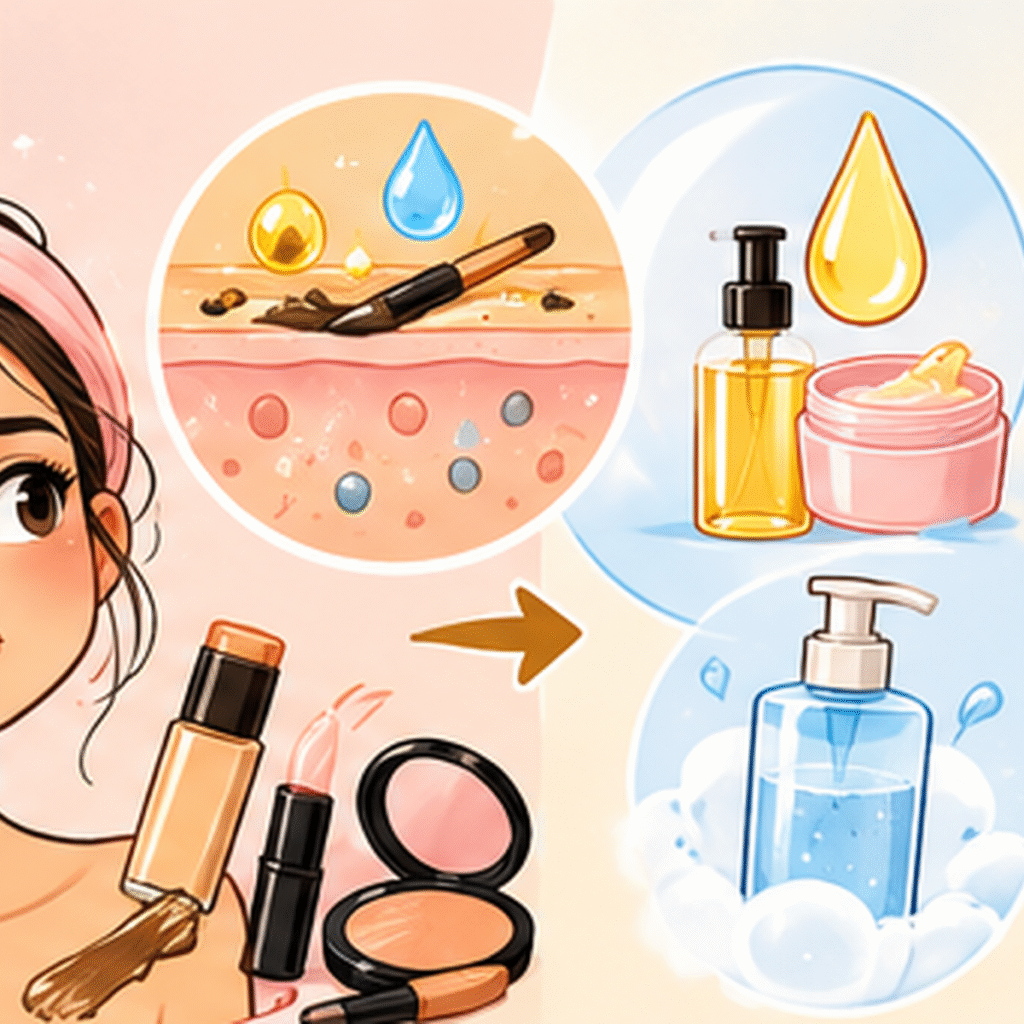
What Is Micellar Water and When Should You Use It?
Micellar water is a convenient option for excess sebum, dust, light makeup and quick cleansing during the day. Learn what it is good at, what it is not designed to replace and how a wipe-off cleanser should be used.
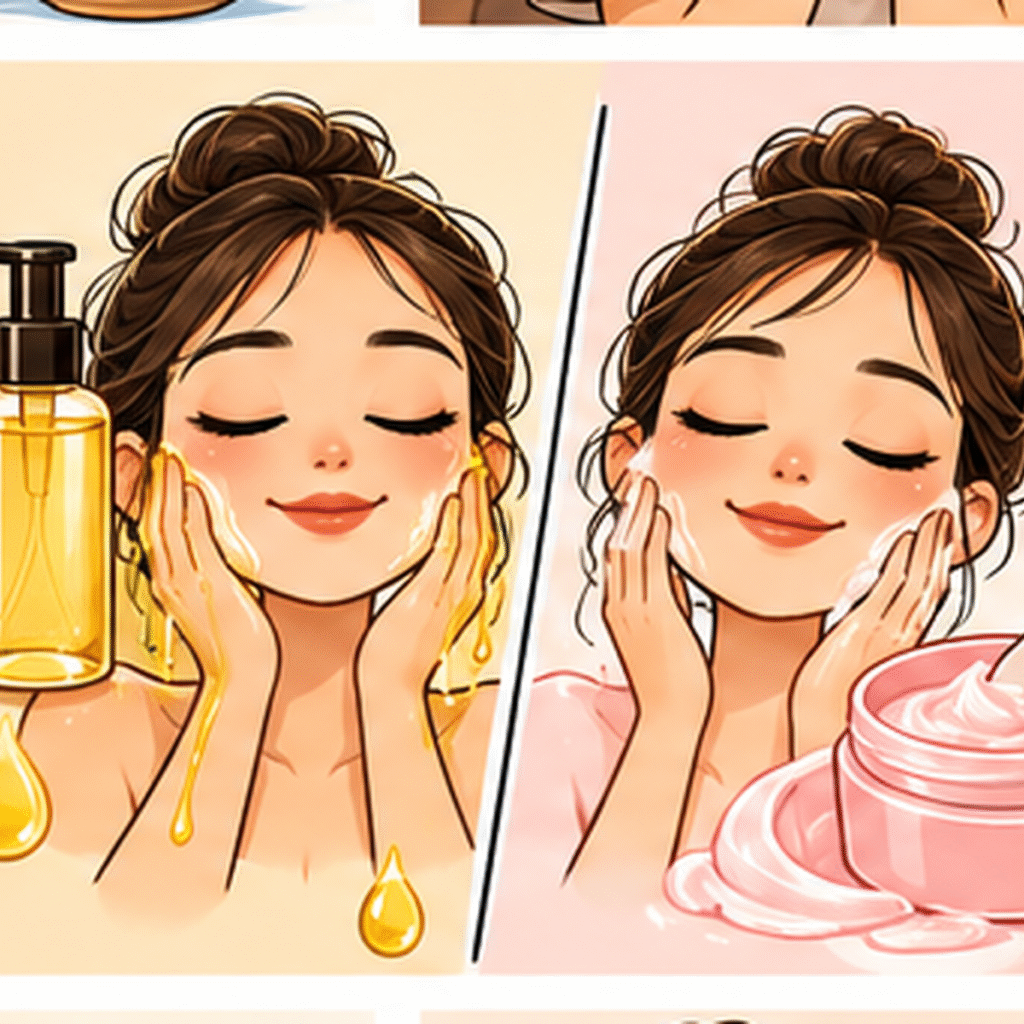
Cleansing Oil vs Cleansing Balm: What’s the Difference?
Both cleansing oils and cleansing balms can help dissolve makeup and oily deposits, but they differ in physical format and after-feel. Understand the distinction and how to choose according to the cleansing experience you prefer.
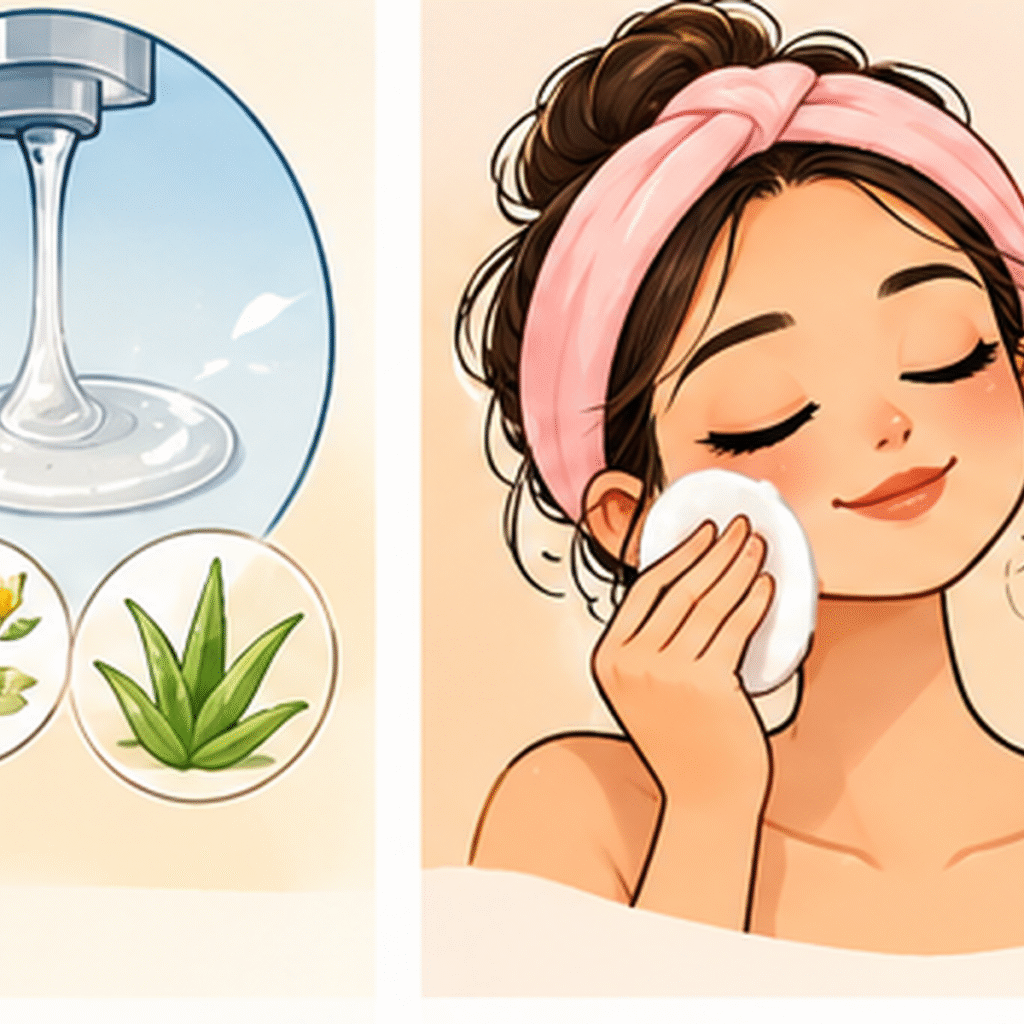
Do You Need to Wash Your Face After Using Cleansing Oil, Balm, Milk or Micellar Water?
Cleansing oils, balms, milks and micellar waters are wipe-off cleansers—but wipe-off does not mean leave-on. Learn how these cleansers are used and when following them with face wash is optional.

Do Herbal Powder Cleansers Need to Foam to Work?
We often associate lather with cleansing, but a herbal powder cleanser does not necessarily need to foam. Learn how herbs, clays and powder texture contribute to the cleansing experience and why lather can be optional.
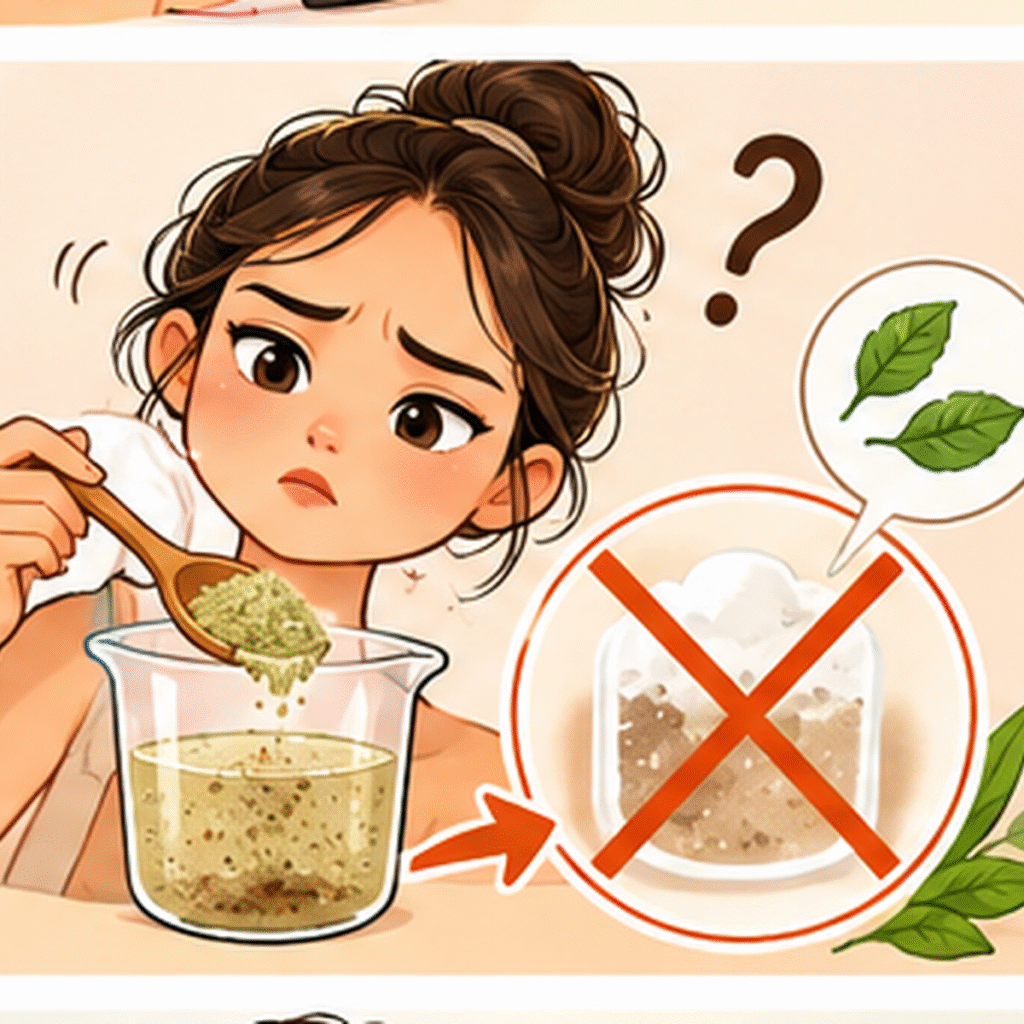
Why Shouldn’t You Add Herbal Powders Directly to a Liquid Face Wash?
An ingredient may be useful for the skin without being suitable in every product format. Learn why insoluble herbal powders can settle in liquid face wash, how powders differ from extracts and why ingredient form matters.
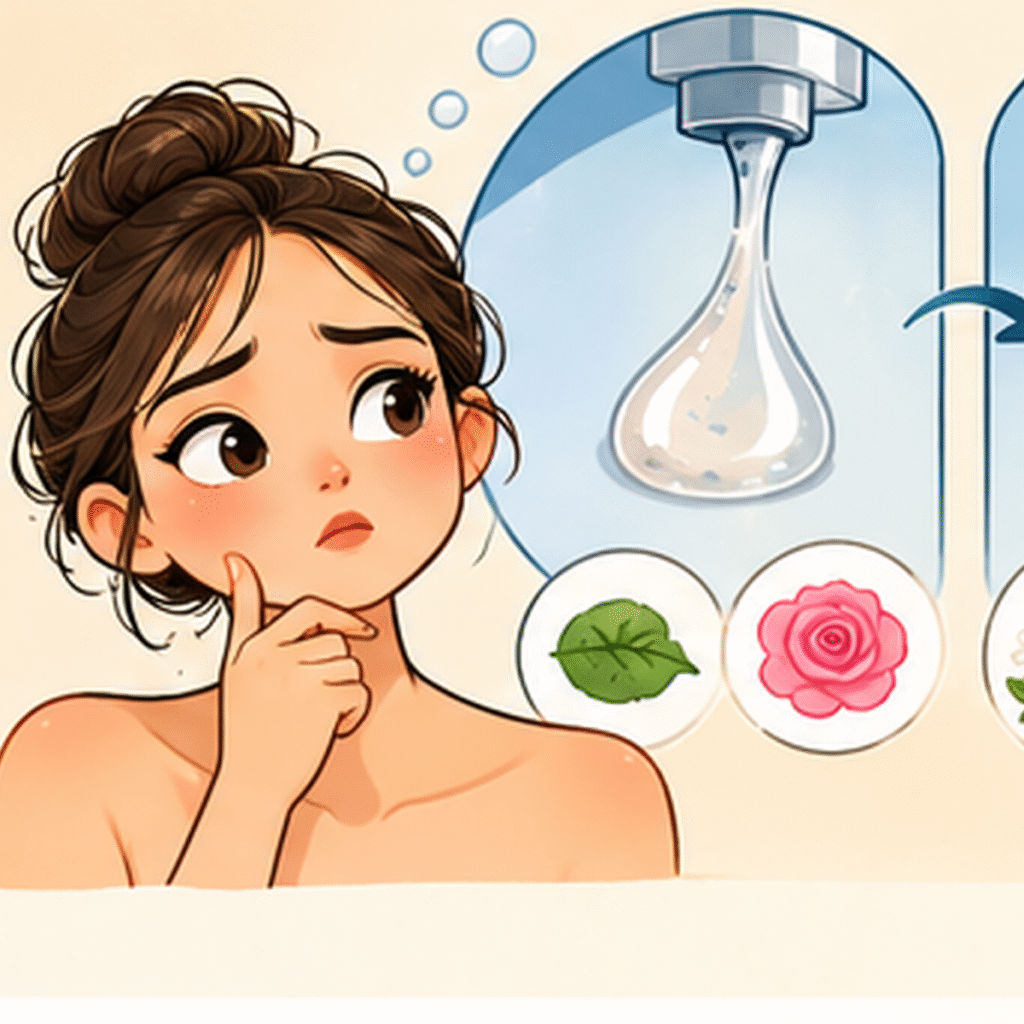
Why Does a Face Wash Become Thinner When You Add Certain Extracts?
Adding a botanical extract to a face wash can sometimes change more than the ingredient list. Learn how acidity, extract variation and ingredient compatibility can affect the consistency and behaviour of a liquid cleanser.
Want to Learn How to Make Different Facial Cleansers?
The articles in this learning hub are designed to help you understand facial cleansers—how different cleanser formats work, what they are suited to, how ingredients influence their character and why common formulation problems can occur.
They intentionally do not publish the complete formulations, detailed making processes, exact quantities or other course-only formulation information.
If you are ready to move from understanding facial cleansers to learning how different cleanser formats are actually formulated and made, explore the Zestchest Variety of Facial Cleansers course.