
Can Herbal Extracts Be Used in Face Wash?
Understand how herbal extracts can be incorporated into face wash, why clean filtration is essential, and why visible plant fibers do not make a cleanser better.
Understand how herbal extracts can be incorporated into face wash, why clean filtration is essential, and why visible plant fibers do not make a cleanser better.
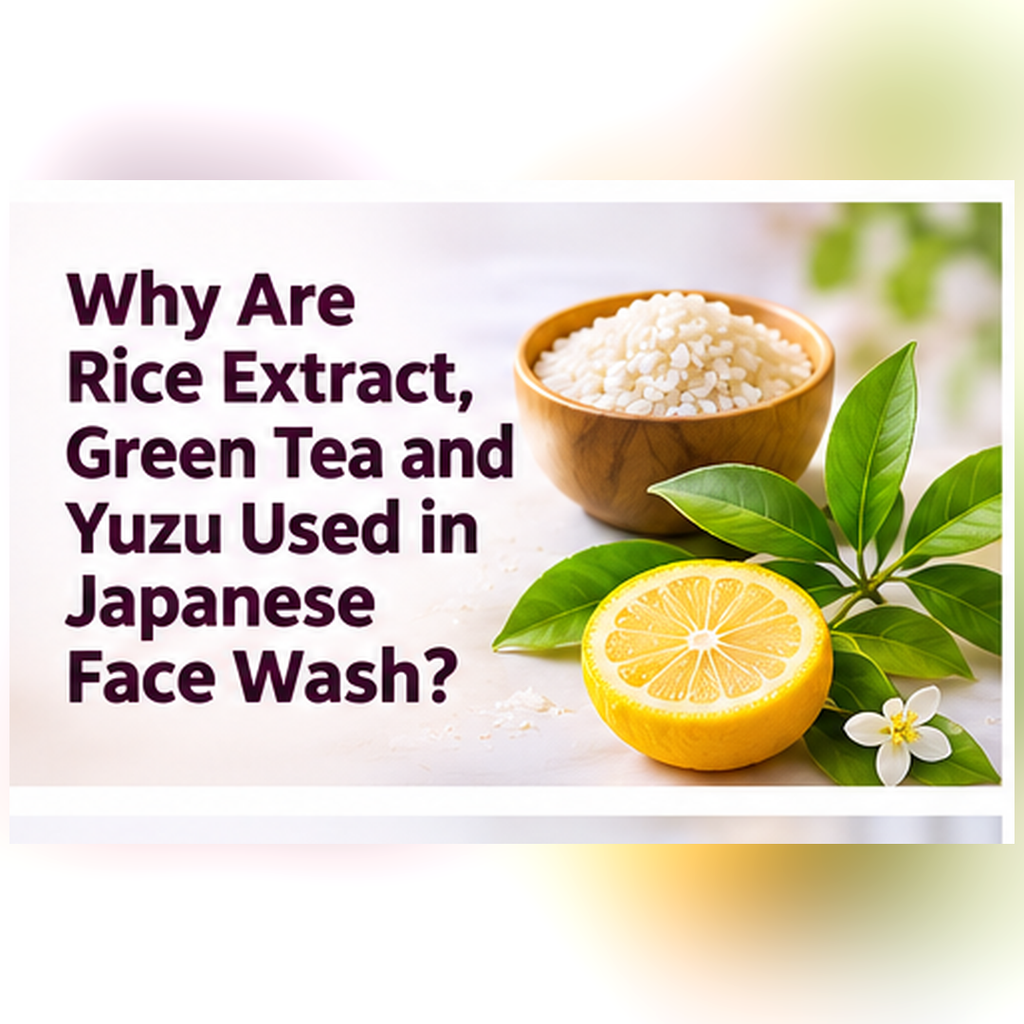
Rice extract, green tea and yuzu are botanical ingredients associated with Japanese-inspired facial skincare. In Japanese Sake Face Wash, they complement the main sake vinegar ingredient and contribute different characteristics
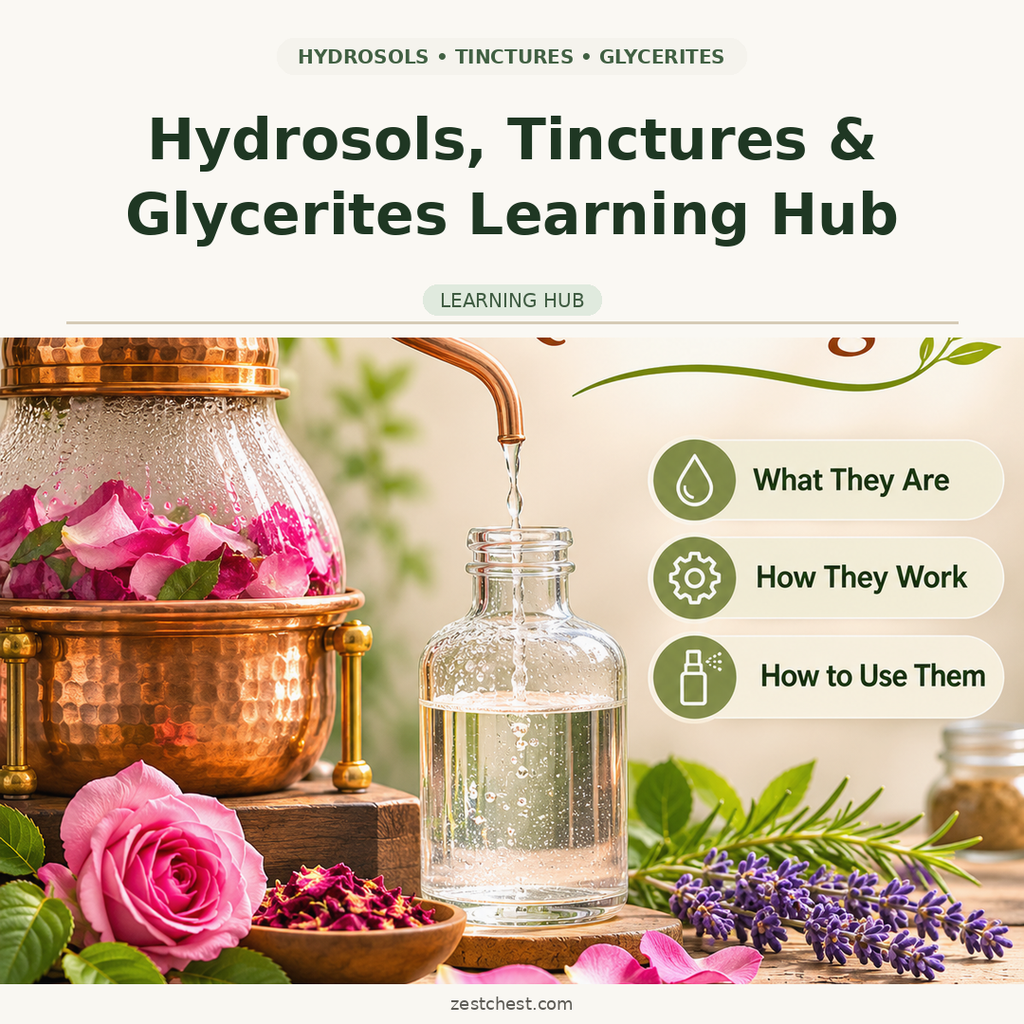
Explore the Hydrosols, Tinctures, Glycerites & Herbal Extracts Learning Hub to understand botanical extraction methods, their differences, concentration and uses in cosmetic formulation.

Dried herbs do not remain equally potent forever. Their colour, aroma and useful botanical properties can weaken over time, making freshness an important factor in herbal extraction.
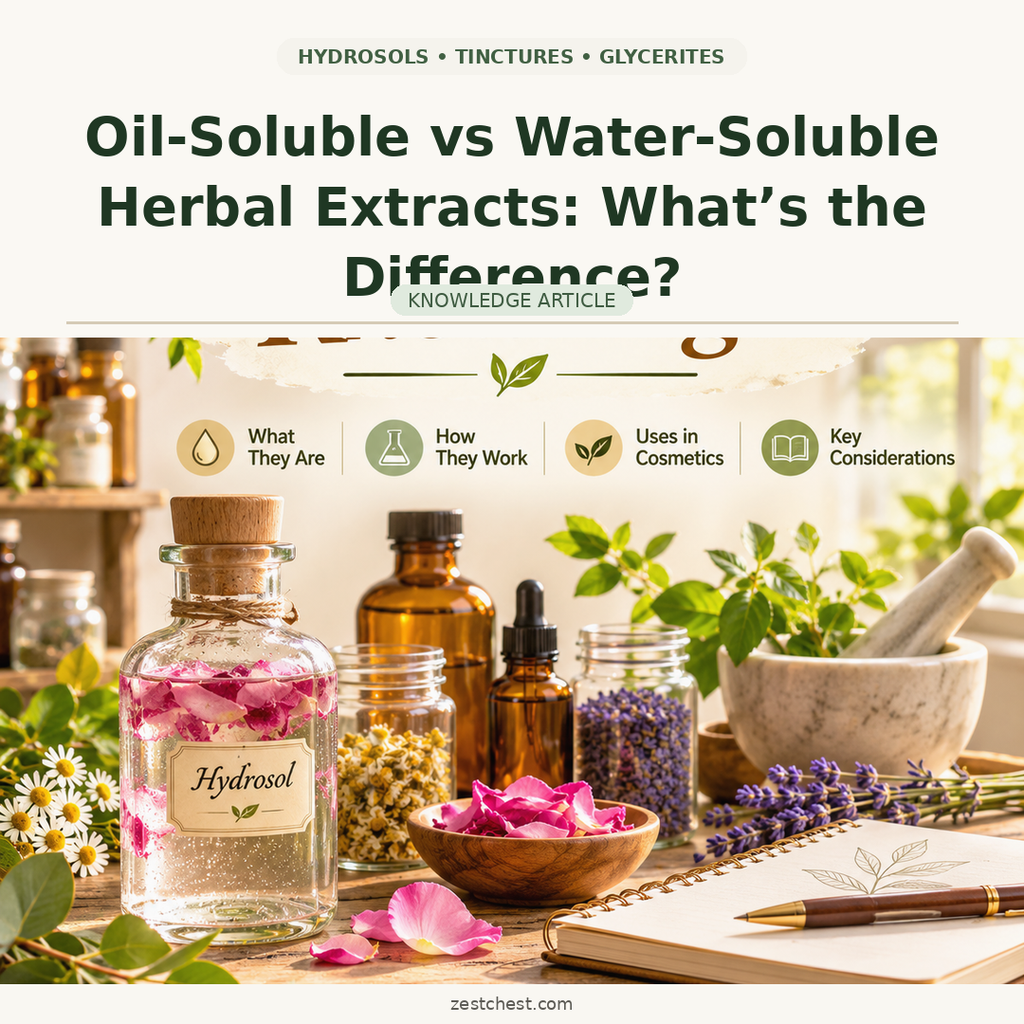
Oil-soluble herbal extracts are suited to oil-based products, while water-soluble extracts belong in water-based formulations. Choosing the right extract depends on the structure of the final cosmetic.
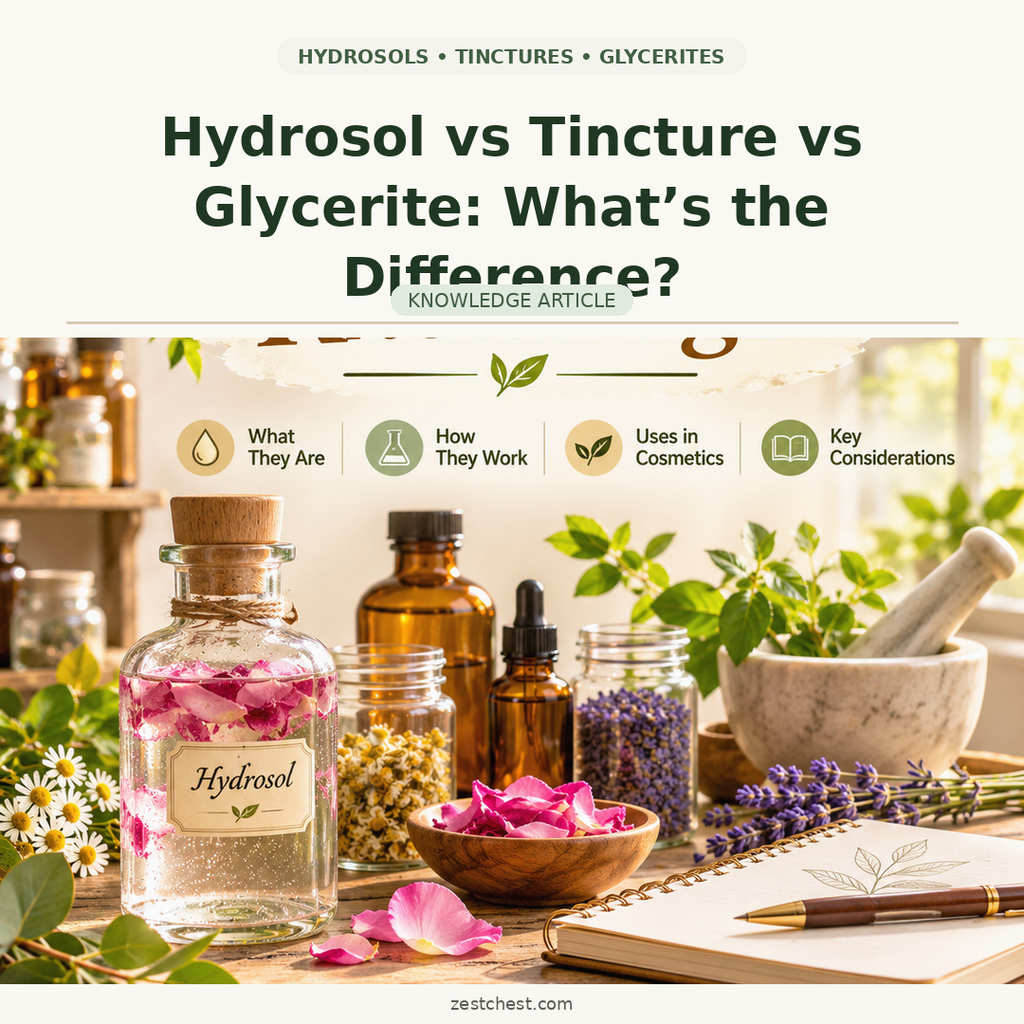
Hydrosols, tinctures and glycerites are different botanical extracts. Hydrosols are mild distilled waters, tinctures are concentrated alcohol extracts, and glycerites use vegetable glycerin.
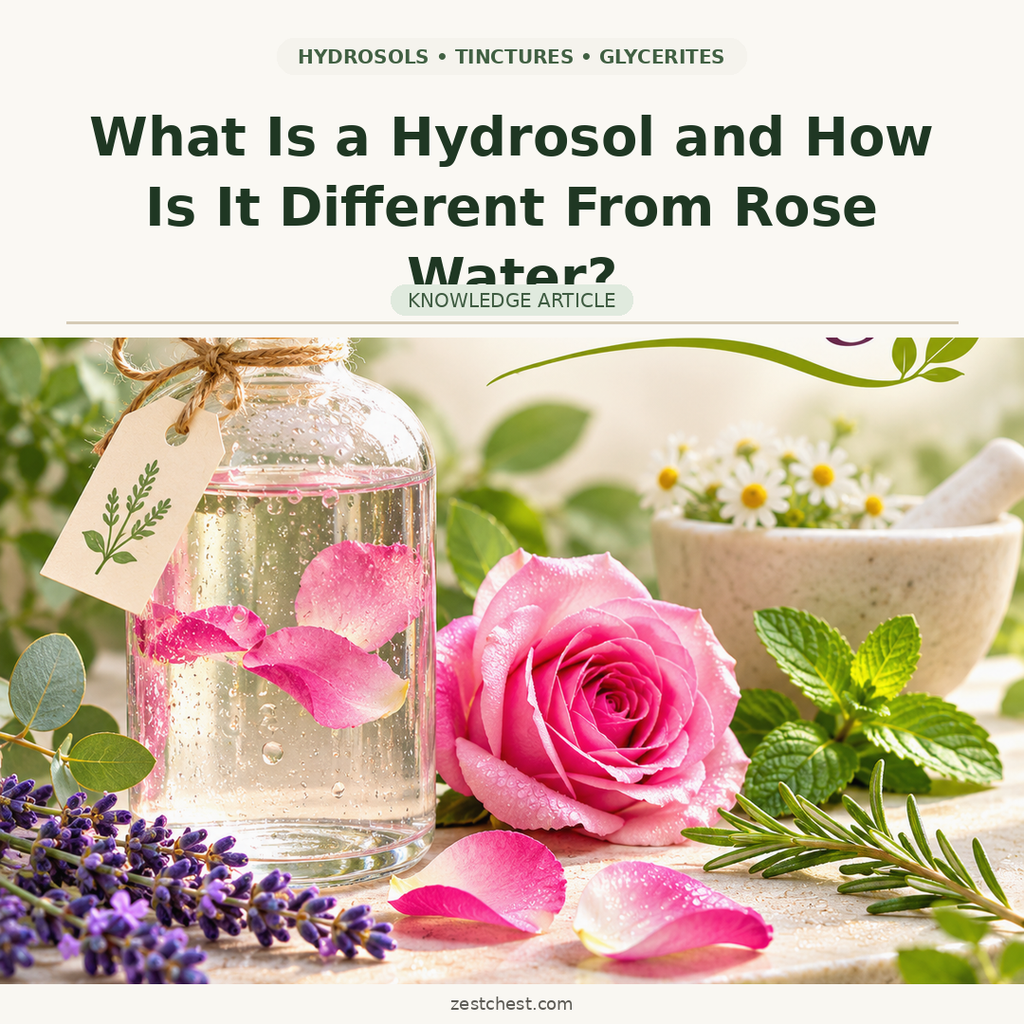
A hydrosol is a steam-distilled botanical water, while rose water is a direct water-based preparation in which rose material is soaked or heated in the final water.
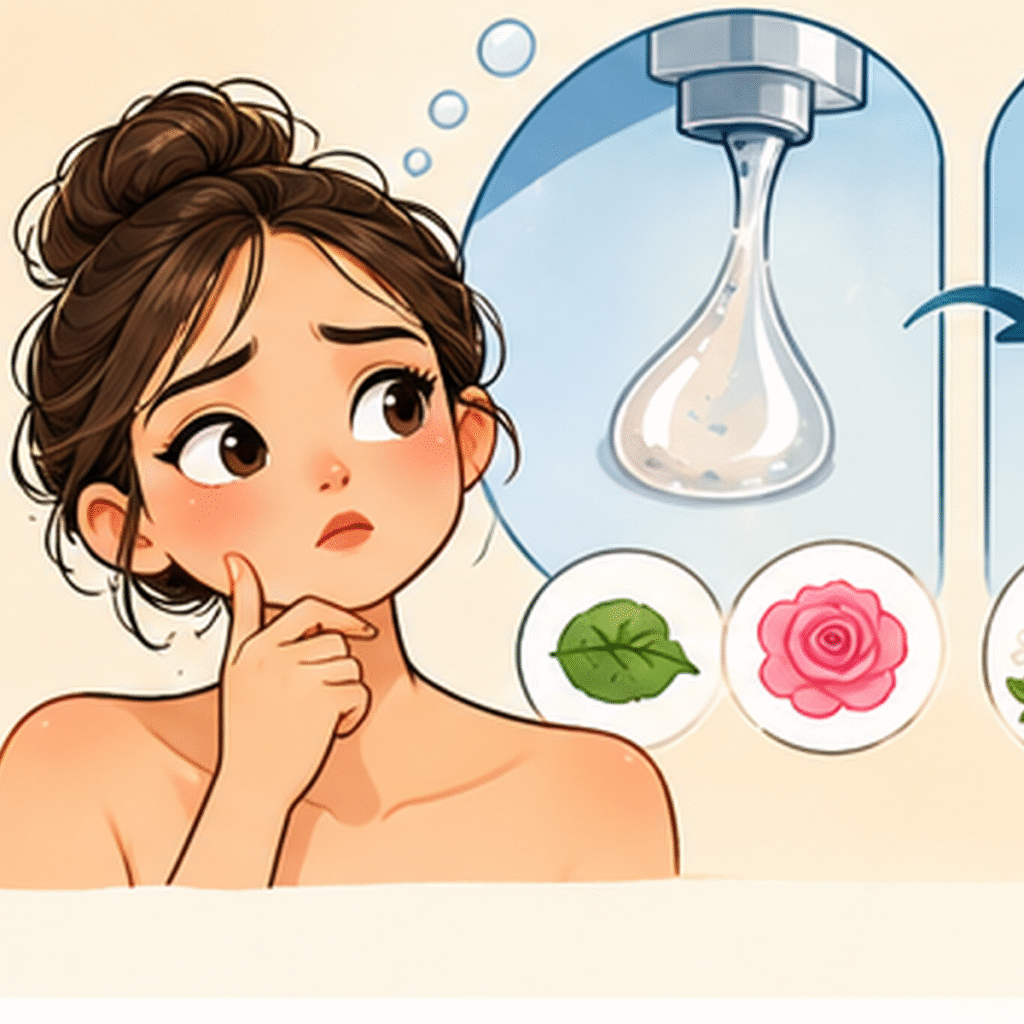
Adding an extract to a face wash can sometimes change its consistency. Learn how acidity, extract variation and ingredient compatibility can affect the thickness and behaviour of a cleanser.
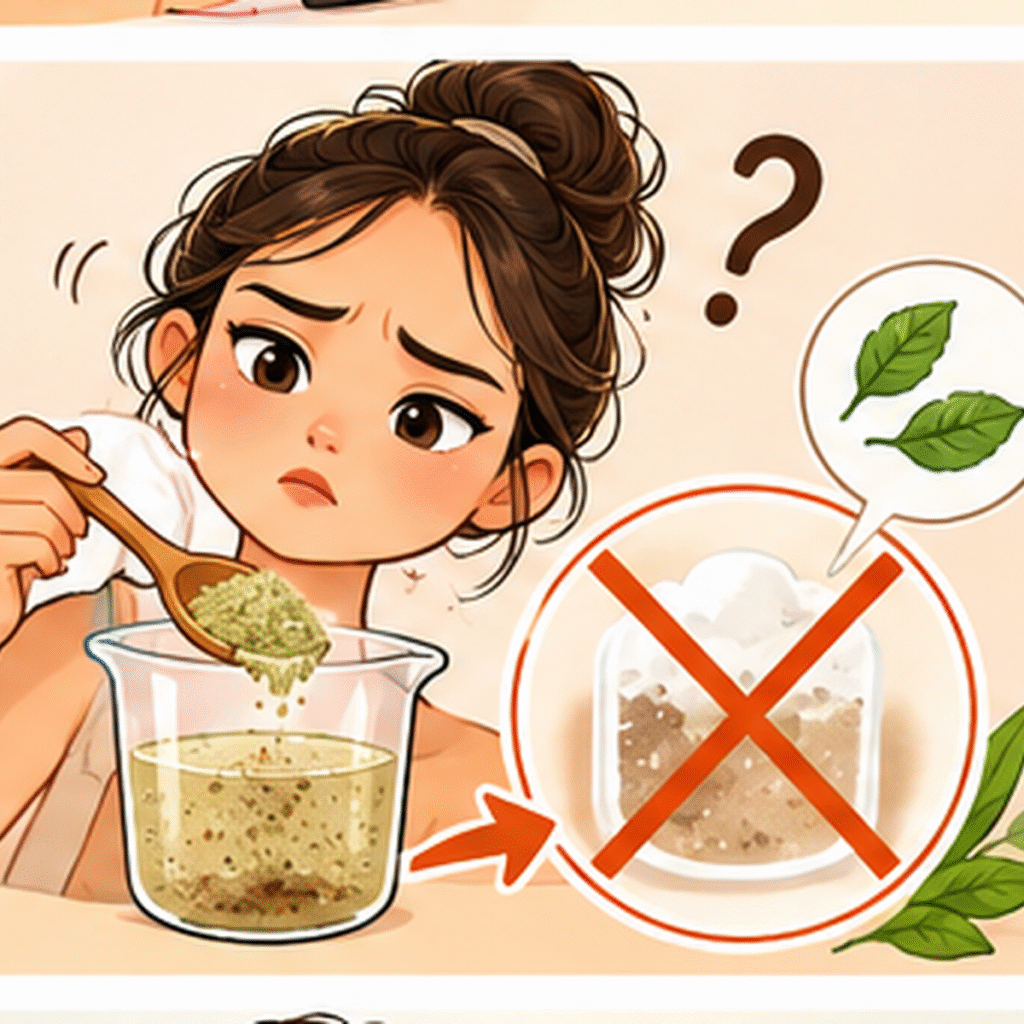
Herbal powders may sound like a natural addition to face wash, but many do not dissolve properly in a liquid cleanser. Learn why powders can settle, how extracts differ, and why ingredient form matters.