

Candle Making Guide: Waxes, Wicks, Fragrance Throw, Wax Pools and Common Problems
Learn the fundamentals of candle making, including wax types, wick selection, fragrance throw, wax-pool formation, tunnelling and common burning problems.
Learn the fundamentals of candle making, including wax types, wick selection, fragrance throw, wax-pool formation, tunnelling and common burning problems.
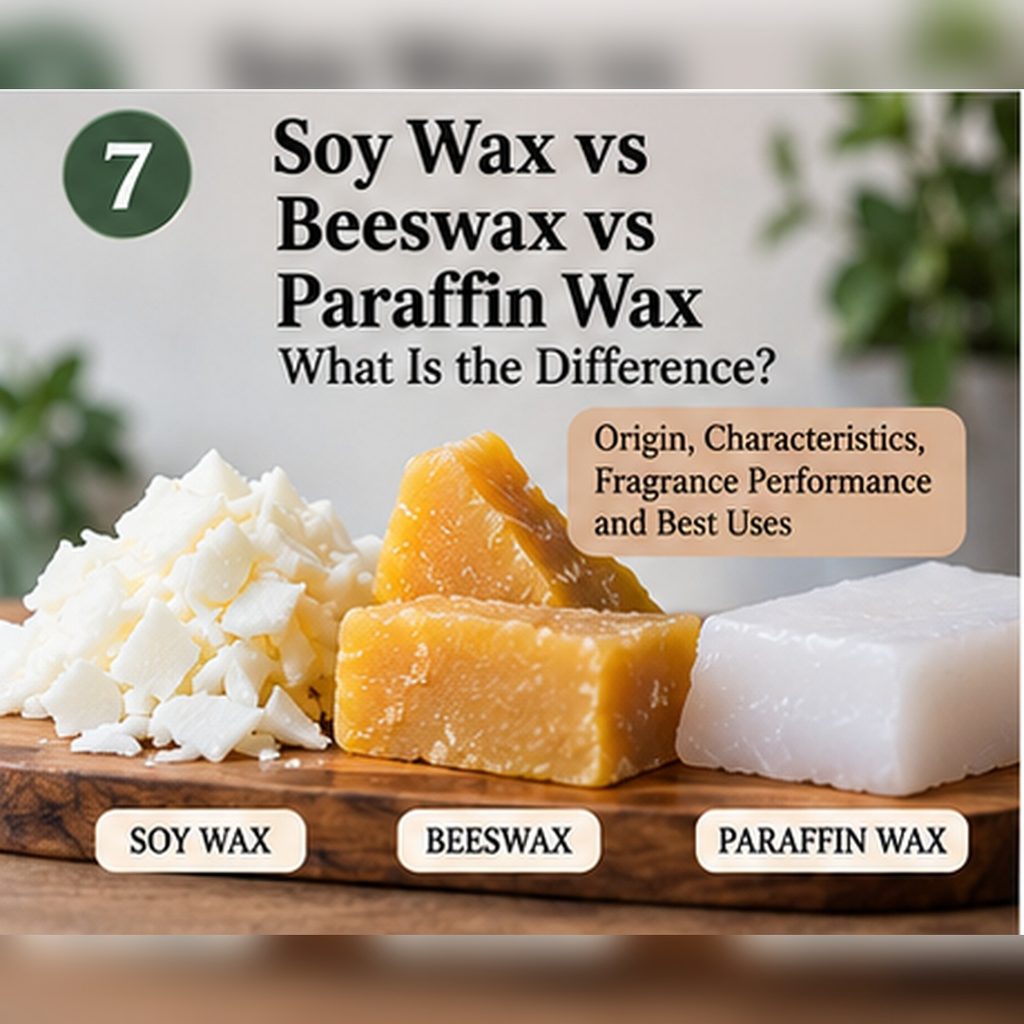
Soy wax, beeswax and paraffin wax behave differently in candles. Learn how they compare in origin, firmness, fragrance throw and candle applications.

A scented candle may seem weak because the wax pool is too small, the wick is not suitable, or the wax and fragrance type behave differently. Learn what to check first.
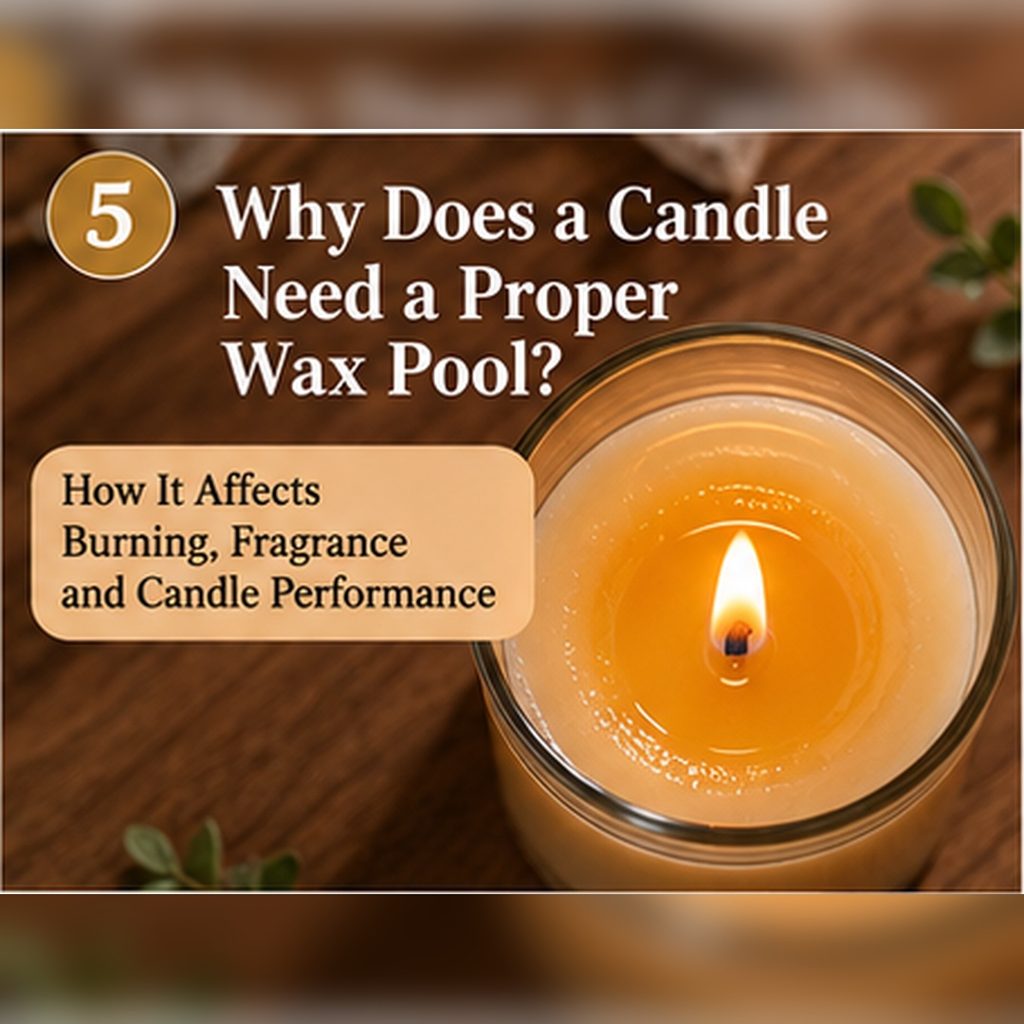
A proper wax pool helps a candle burn more evenly and supports better fragrance throw. Learn why an undersized melt pool can lead to tunnelling and weak scent performance.
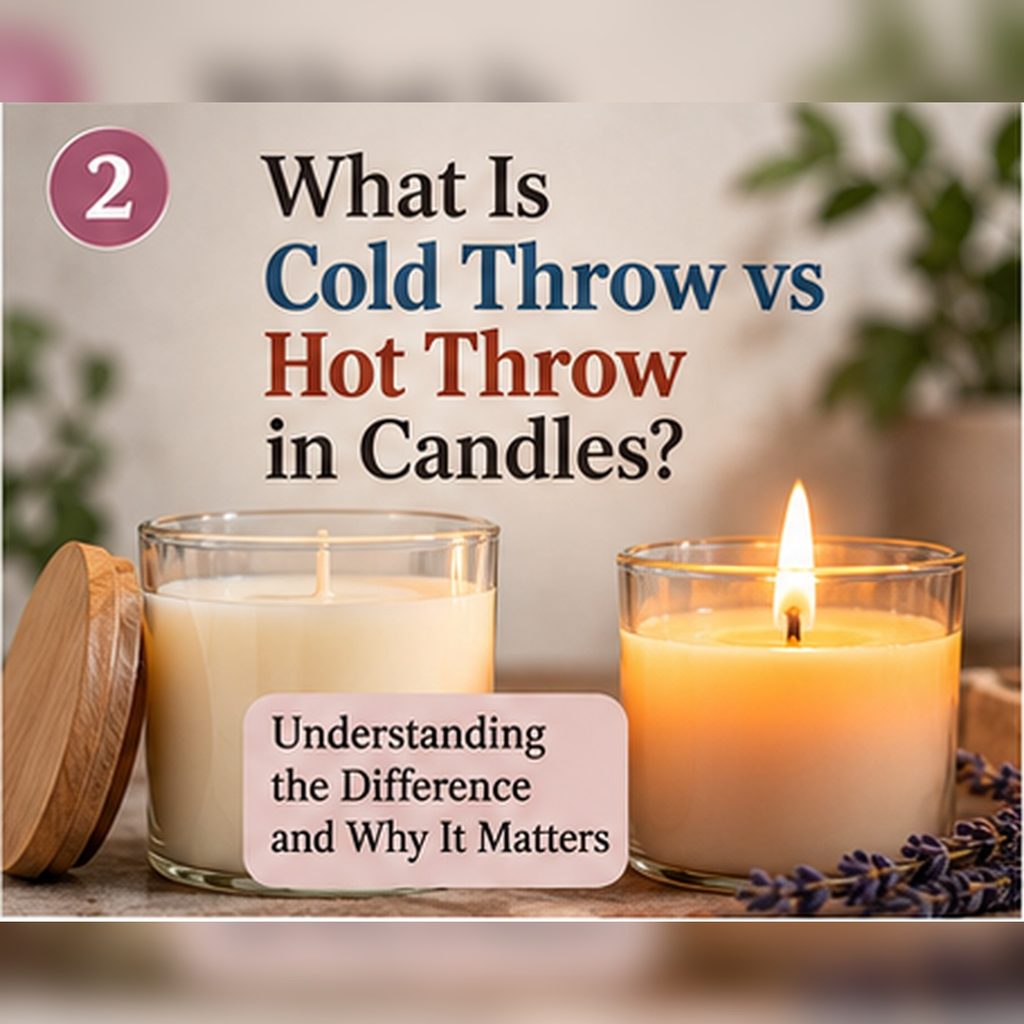
Cold throw is the fragrance you smell from an unlit candle, while hot throw is the aroma released while the candle burns. Learn why the difference matters when judging candle fragrance.
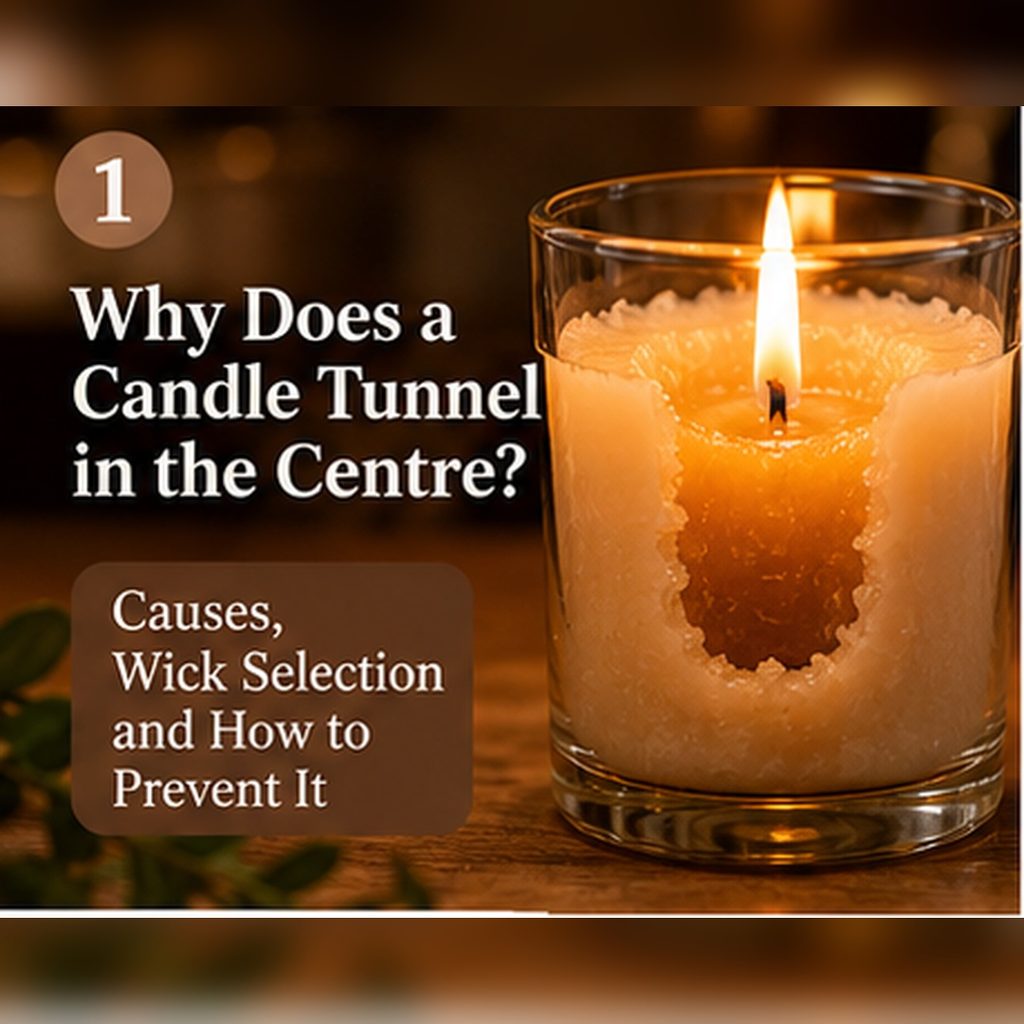
Candle tunnelling happens when only the wax around the wick melts while the outer wax remains solid. Learn how wick size, candle width and melt-pool formation contribute to this common problem.