

Candle Making Guide: Waxes, Wicks, Fragrance Throw, Wax Pools and Common Problems
Learn the fundamentals of candle making, including wax types, wick selection, fragrance throw, wax-pool formation, tunnelling and common burning problems.
Learn the fundamentals of candle making, including wax types, wick selection, fragrance throw, wax-pool formation, tunnelling and common burning problems.

A candle should be burn-tested before you give customers confident information about its burn time and performance. You cannot determine exact burn time reliably from wax weight alone because candle
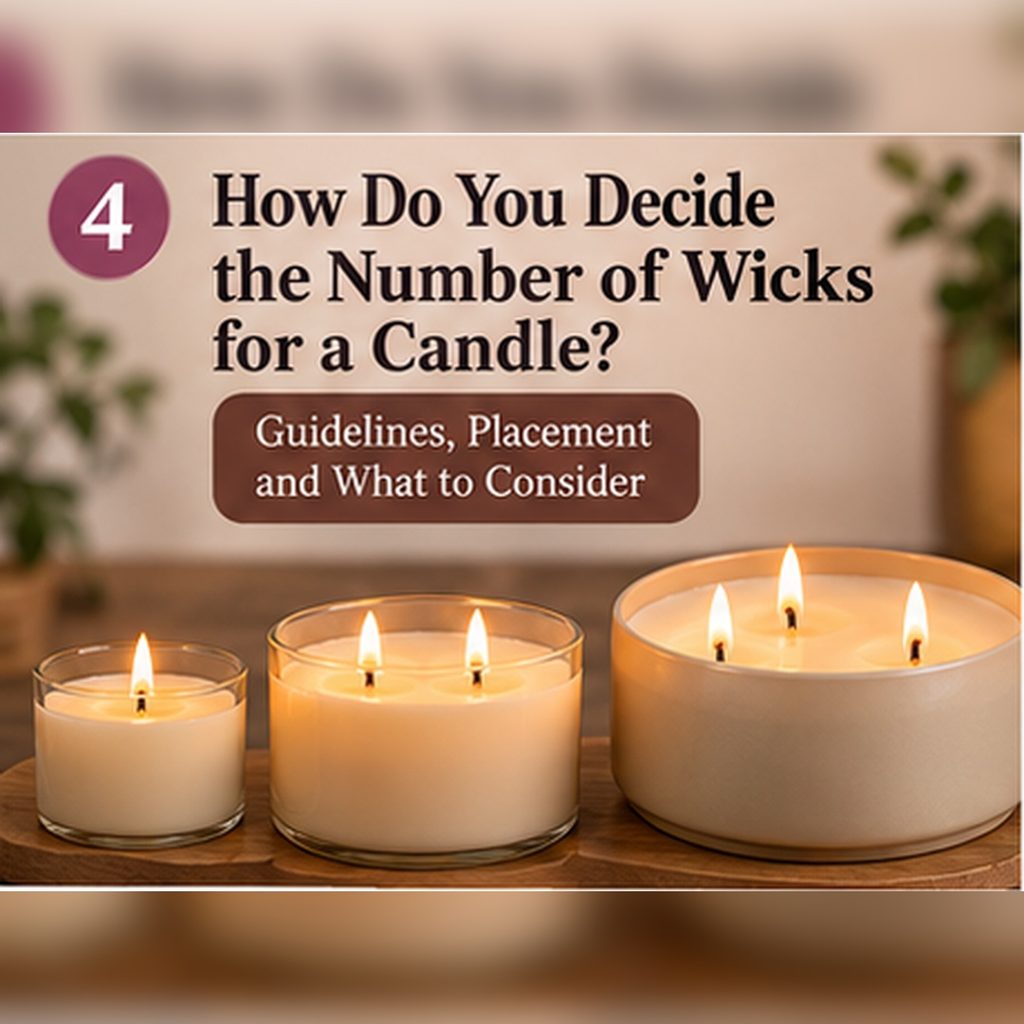
The number of wicks a candle needs depends mainly on its width and how well the wicks can create a balanced melt pool across the surface.
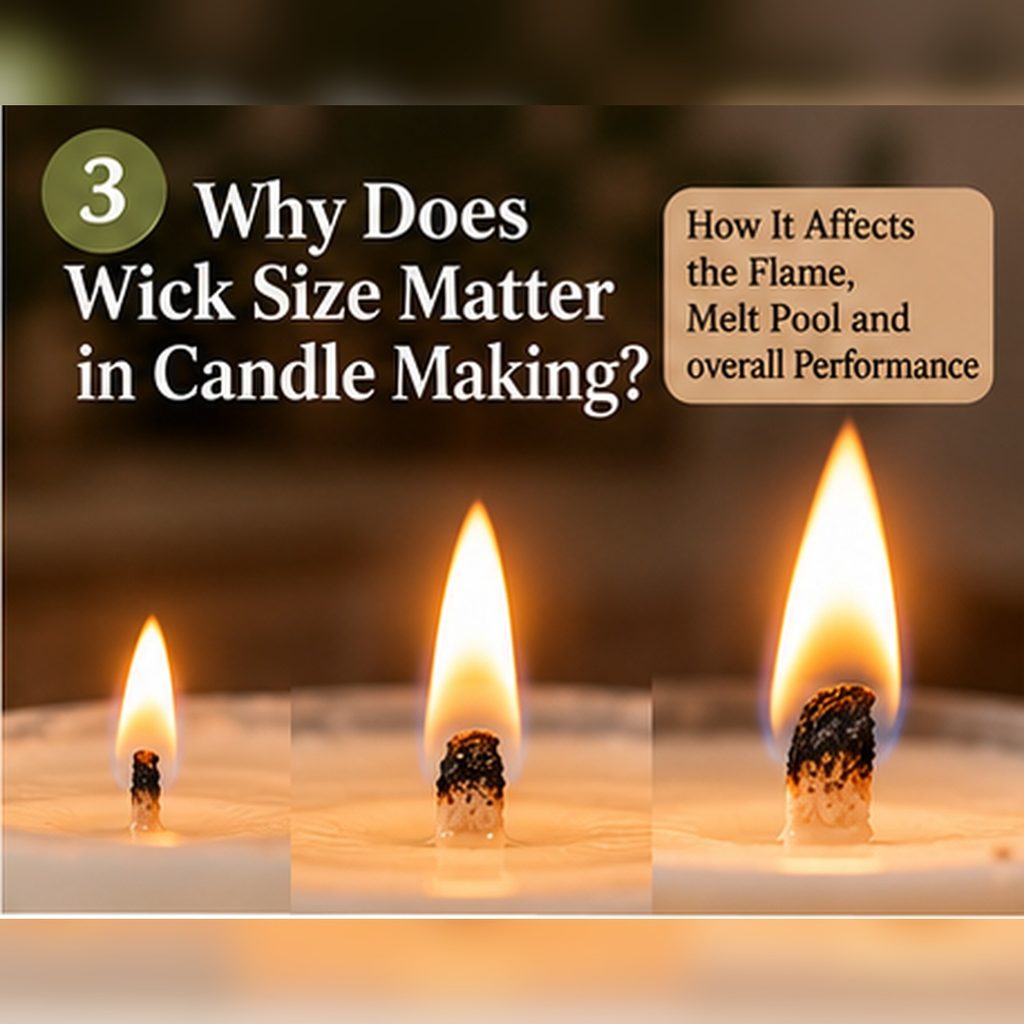
Wick size directly affects how a candle burns. A wick that is too small can cause tunnelling, while an oversized wick can create excessive heat and melt too much wax.
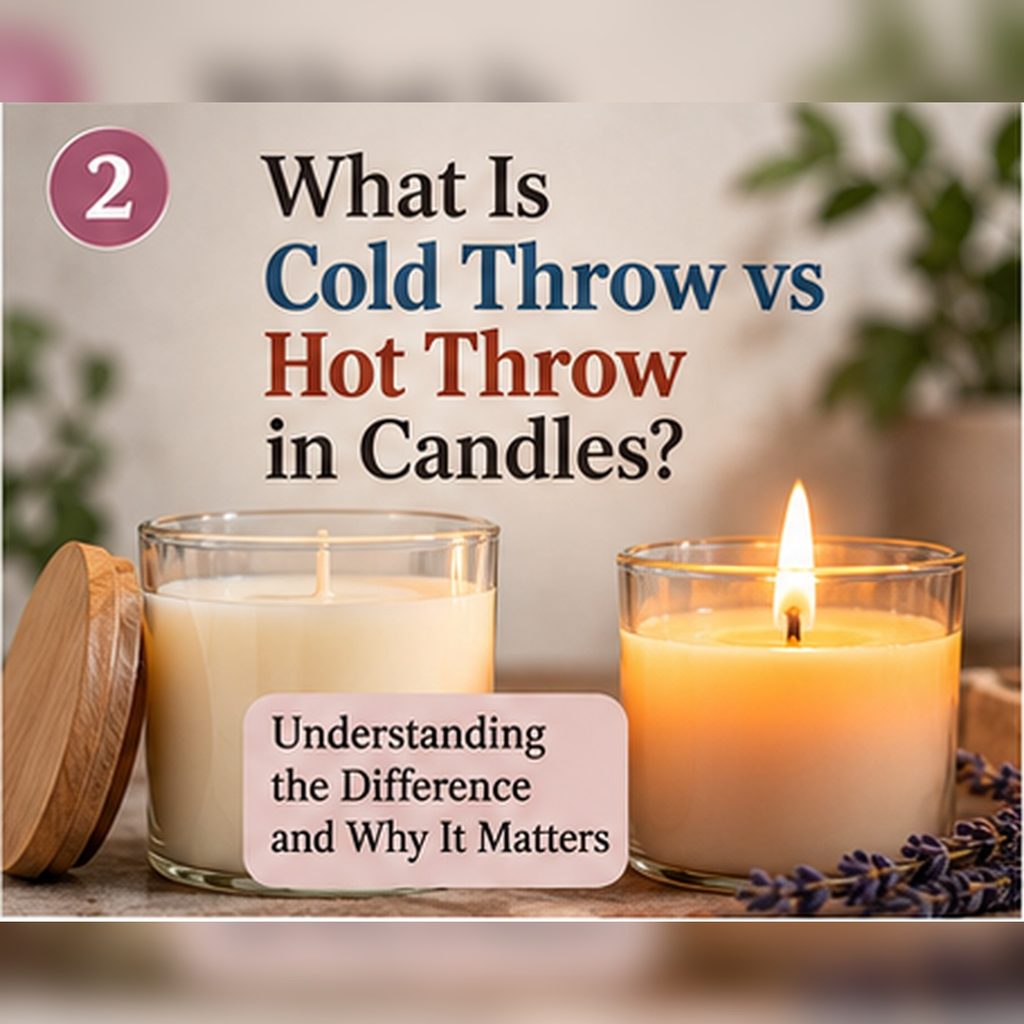
Cold throw is the fragrance you smell from an unlit candle, while hot throw is the aroma released while the candle burns. Learn why the difference matters when judging candle fragrance.
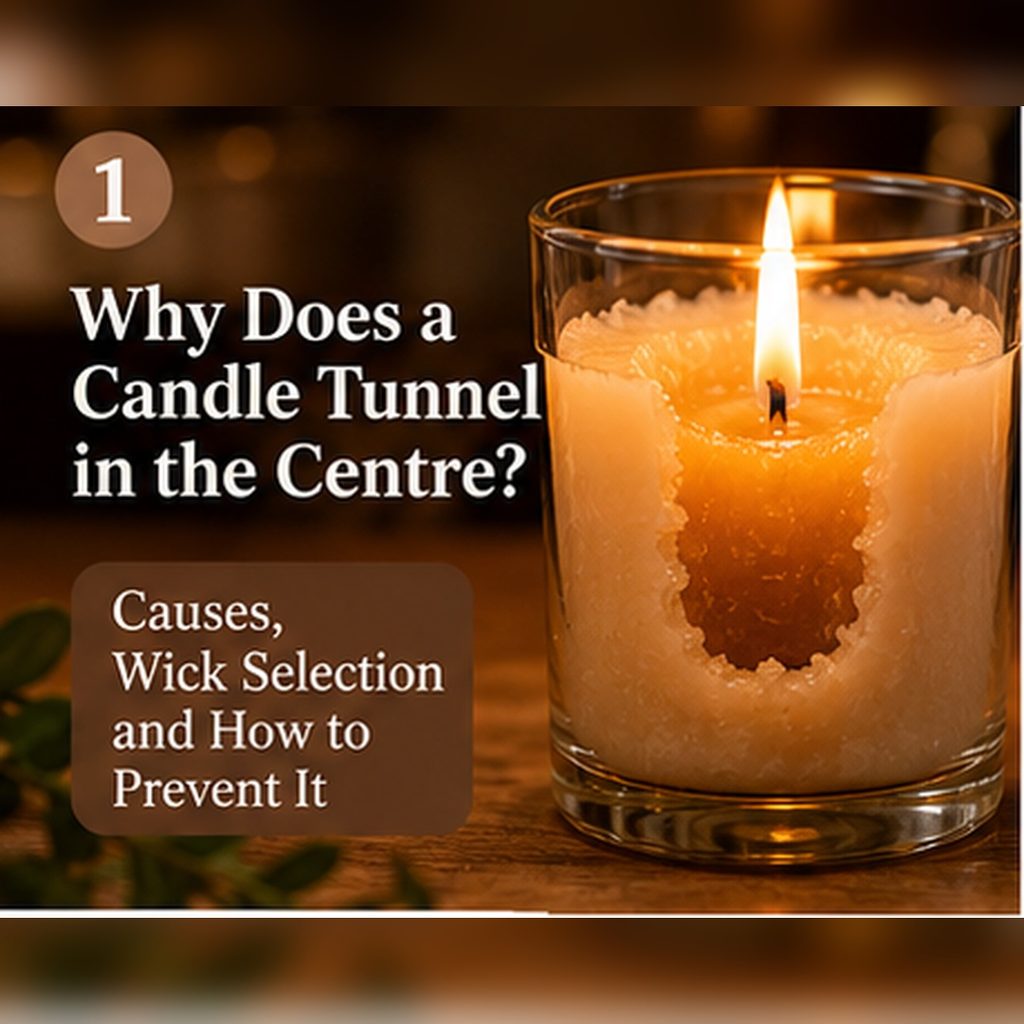
Candle tunnelling happens when only the wax around the wick melts while the outer wax remains solid. Learn how wick size, candle width and melt-pool formation contribute to this common problem.